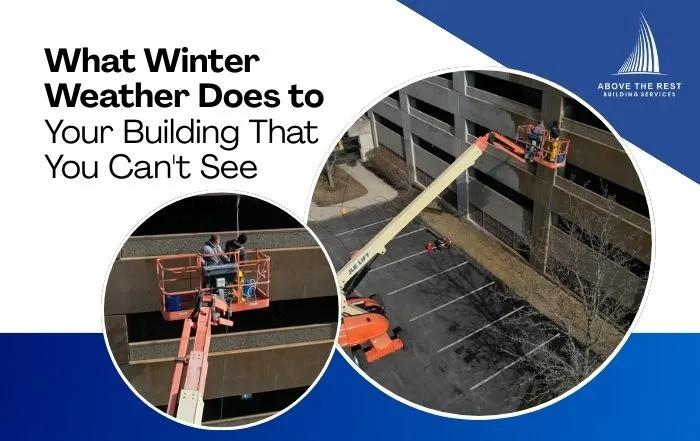

Winter weather leaves a lasting impact on commercial buildings, but the most serious problems are often the ones hidden beneath the surface. While cracked bricks or damaged concrete may be easy to spot in spring, many issues begin long before visible signs appear. Moisture infiltration, freeze-thaw cycles, de-icing salts, and fluctuating temperatures gradually weaken masonry, concrete, and exterior systems, increasing the risk of expensive repairs if left unaddressed.
For commercial property owners and facility managers across New England, understanding how winter weather damage to commercial buildings develops is essential for protecting long-term property value. A proactive exterior maintenance strategy that includes professional commercial pressure washing, masonry repair, waterproofing, window cleaning, façade inspections, and sealant replacement can reduce structural risks before seasonal damage escalates.
Why Winter Weather Causes Hidden Damage
Commercial buildings in Massachusetts, New Hampshire, Rhode Island, Maine, Vermont, and throughout New England experience months of snow, freezing temperatures, heavy rainfall, and strong winds. These changing weather conditions place continuous stress on the building envelope, which includes exterior walls, masonry, concrete surfaces, joints, windows, and waterproofing systems.
Unlike sudden storm damage, winter weather damage to commercial buildings develops gradually. Water penetrates small openings in masonry and concrete, freezes as temperatures drop, expands inside the material, and repeats this cycle multiple times throughout the season. Each freeze-thaw cycle weakens structural components, even when the building appears undamaged from the outside.
Because this deterioration happens below the surface, many property owners only recognize the problem after larger repairs become necessary.
How Freeze-Thaw Cycles Affect Masonry
Freeze-thaw movement is one of the leading causes of exterior deterioration throughout New England. Brick, mortar, concrete, and stone naturally absorb moisture over time. When trapped water freezes, it expands by approximately nine percent, creating internal pressure that slowly damages surrounding materials.
Over multiple winter cycles, this process may:
- Widen small surface cracks
- Loosen bricks and masonry units
- Break down mortar joints
- Increase water penetration
- Reduce the structural integrity of exterior walls
Even buildings that appear structurally sound may already be experiencing hidden winter weather damage to commercial buildings beneath the surface. Early inspections and commercial masonry repair can stabilize affected areas before deterioration spreads throughout the building envelope.
The Role of Moisture in Long-Term Building Deterioration
Moisture is one of the biggest threats to commercial buildings because it affects more than exterior materials alone. Once water enters compromised masonry, it can migrate into insulation, wall assemblies, structural supports, and interior spaces.
As temperatures rise in spring, trapped moisture continues moving through the building, increasing the likelihood of:
- Interior water intrusion
- Mold and mildew growth
- Rusting metal components
- Concrete deterioration
- Reduced energy efficiency
- Premature failure of waterproofing systems
Professional building inspections following winter allow property managers to identify these hidden issues before they become disruptive or costly.
Why Professional Commercial Pressure Washing Matters After Winter
Snow, ice, road salts, dirt, and airborne contaminants accumulate on commercial buildings throughout the winter season. While these deposits may appear harmless, they trap moisture against masonry and concrete surfaces while introducing corrosive materials that accelerate deterioration.
Professional commercial pressure washing is an essential part of post-winter exterior maintenance because it removes contaminants that continue damaging the building long after snow has melted.
When completed by experienced professionals, pressure washing can:
- Remove corrosive salt deposits
- Eliminate algae, dirt, and surface contaminants
- Reduce moisture retention on exterior surfaces
- Restore the appearance of masonry and concrete
- Prepare building surfaces for inspections and repairs
Clean surfaces also allow maintenance teams to identify cracks, joint failures, and other structural concerns that may otherwise remain hidden beneath winter buildup.
Salt Damage Extends Beyond the Surface
De-icing products are necessary for maintaining safe walkways and parking areas during winter, but they also contribute to long-term exterior deterioration. Salt particles penetrate porous materials such as brick, mortar, and concrete, where they attract additional moisture and increase internal stress.
Over time, salt contamination may contribute to:
- Surface scaling
- Brick spalling
- Concrete cracking
- Masonry discoloration
- Breakdown of protective coatings
Without routine professional commercial pressure washing, these contaminants remain embedded within exterior materials, allowing deterioration to continue well into the warmer months.
Why Masonry Repair Should Never Be Delayed
Small cracks formed during winter rarely remain small. As temperatures rise and spring rainfall increases, water continues entering weakened masonry, expanding the affected area with every weather cycle. What begins as a minor repair can quickly develop into a larger restoration project if left untreated.
Prompt commercial masonry repair strengthens compromised areas before moisture causes additional structural damage. Addressing issues early can help prevent:
- Spalling brick and concrete
- Loose or displaced masonry units
- Interior water infiltration
- Deteriorating mortar joints
- Increased repair costs
- Safety concerns for occupants and visitors
For commercial buildings across New England, timely masonry repairs preserve structural integrity while extending the service life of exterior systems.
Winter Weather Affects More Than Masonry
Although masonry often receives the most attention after winter, other exterior building systems are equally vulnerable. Continuous exposure to freezing temperatures, snow accumulation, and moisture can affect multiple components of the building envelope.
A comprehensive post-winter inspection should evaluate:
- Waterproofing systems
- Expansion joints
- Caulking and sealants
- Exterior coatings
- Drainage systems
- Roof-to-wall transitions
- Windows and glazing
- Concrete walkways and parking structures
When these systems work together effectively, they prevent water intrusion and protect the building from long-term deterioration. If one component fails, moisture can spread quickly to surrounding materials, increasing repair complexity and costs.
A Comprehensive Exterior Maintenance Strategy
Protecting commercial properties requires more than addressing visible damage. A proactive maintenance plan combines preventive inspections with specialized services that preserve the entire building envelope.
An effective post-winter maintenance program may include:
- Professional commercial pressure washing
- Commercial masonry repair
- Waterproofing services
- Window cleaning
- Caulking and sealant replacement
- Façade inspections
- Concrete repairs
- Exterior restoration
- Parking garage maintenance
- High-access building maintenance
By completing these services before spring and summer weather intensifies existing damage, property owners can reduce long-term maintenance costs while supporting safer, more attractive commercial environments.
Why Choose Above The Rest Building Services?
Winter weather damage to commercial buildings requires experienced professionals who understand the unique environmental challenges of New England. Above The Rest Building Services provides comprehensive exterior maintenance solutions designed to protect commercial properties before minor issues become major structural concerns.
Our services include:
- Professional commercial pressure washing
- Commercial masonry repair
- Waterproofing solutions
- Window cleaning
- Caulking and sealant replacement
- Façade restoration
- Structural exterior repairs
- Parking garage maintenance
- High-access building maintenance
- Building envelope inspections
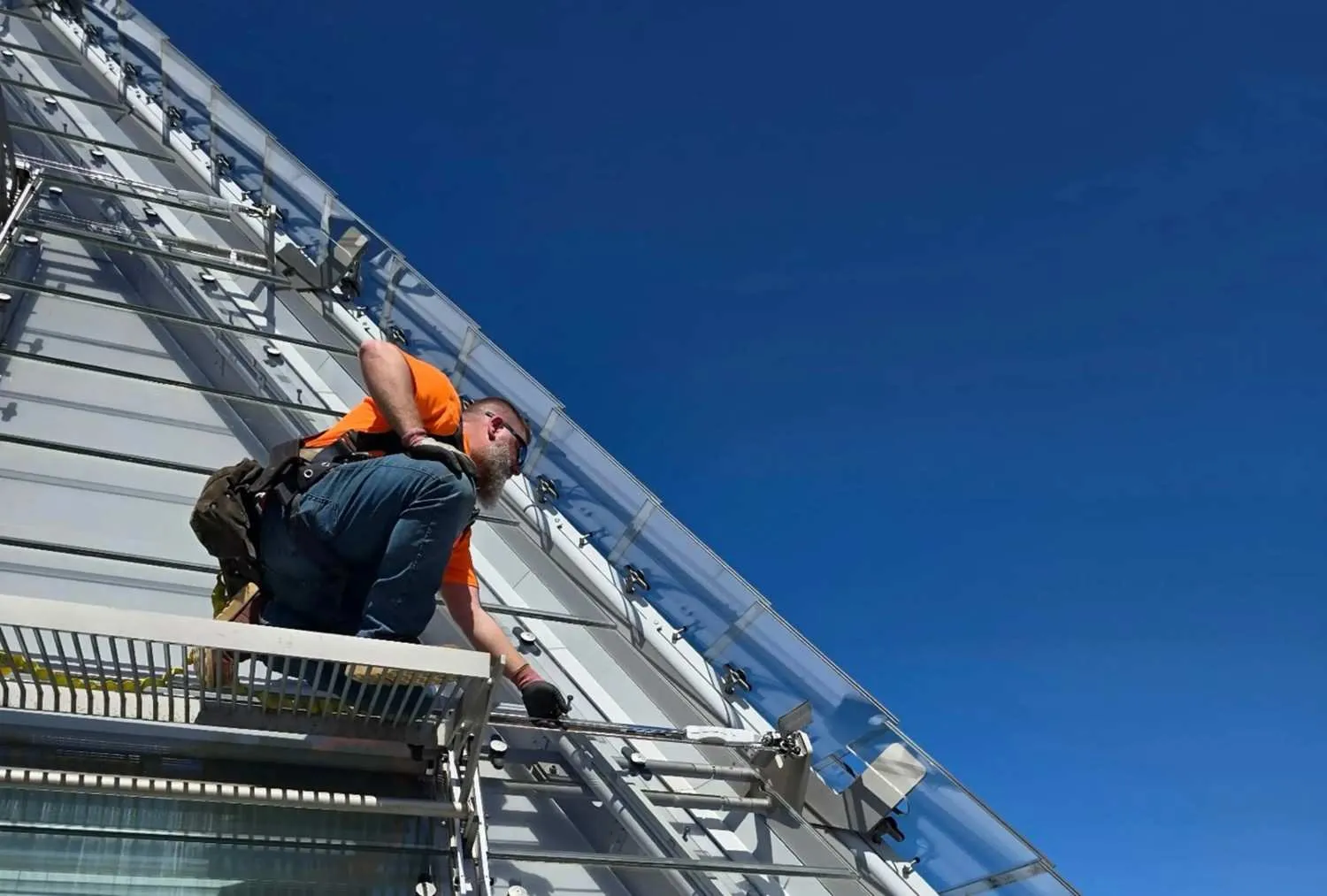
Using specialized high-access equipment and industry-approved safety practices, our experienced team works on office buildings, healthcare facilities, educational campuses, multifamily communities, industrial properties, and other commercial assets throughout Massachusetts and the greater New England region.
Our goal is to preserve the appearance, safety, and long-term performance of every building we maintain.
Frequently Asked Questions
1. Is winter weather damage always visible?
No. Many forms of winter weather damage to commercial buildings develop beneath the surface. Moisture infiltration, freeze-thaw expansion, and salt contamination often weaken masonry and concrete long before visible cracks appear.
2. Why is professional commercial pressure washing important after winter?
Professional commercial pressure washing removes corrosive salt deposits, dirt, algae, and other contaminants that retain moisture and accelerate deterioration. It also prepares building surfaces for accurate inspections and necessary repairs.
3. When should masonry repairs be completed?
Masonry repairs should begin as soon as weather conditions allow. Early repairs prevent moisture from entering damaged areas and reduce the likelihood of larger restoration projects later in the year.
4. What types of commercial buildings benefit from post-winter exterior maintenance?
Office buildings, healthcare facilities, schools, universities, retail centers, industrial buildings, parking garages, condominium communities, and multifamily properties all benefit from routine exterior inspections and preventive maintenance after winter.
Protect Your Building Before Hidden Damage Becomes Costly
Winter may be over, but its effects can continue impacting your building long after the snow has melted. Hidden moisture, freeze-thaw damage, and salt contamination gradually weaken exterior materials, increasing repair costs and compromising long-term structural performance if left unaddressed.
Scheduling professional commercial pressure washing, masonry repair, waterproofing, and a complete exterior inspection after winter allows property owners to identify hidden vulnerabilities before they worsen. Taking action early not only protects your investment but also supports safer, more efficient commercial operations throughout the year.
For commercial properties across New England, proactive exterior maintenance is more than seasonal upkeep it's a long-term strategy for preserving structural integrity, extending building life, and reducing unexpected capital expenses. With Above The Rest Building Services as your trusted maintenance partner, your property is prepared to withstand every season with confidence.
























Sign in to leave a comment.