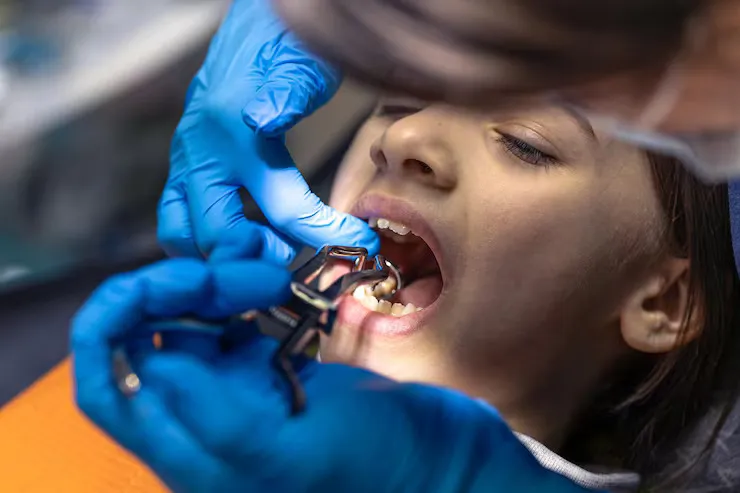

Most people don't think about their wisdom teeth until the pain starts. Then suddenly, every question leads back to money. Understanding the wisdom teeth removal cost Ontario patients actually face helps you plan ahead, avoid surprises, and make smarter decisions about your oral health.
This guide breaks everything down clearly from basic extractions to surgical procedures, insurance coverage, and what drives the final number on your bill.
Why Wisdom Teeth Often Need to Come Out
Wisdom teeth are your third set of molars. They usually emerge between ages 18 and 25. For many people, there simply isn't enough room in the jaw to hold them properly.
When a wisdom tooth gets stuck under the gum or grows at an angle, it becomes what dentists call an impacted tooth. Left untreated, this can cause infections, damage to nearby teeth, and long-term jaw problems. Ignoring it doesn't make it cheaper, it makes it worse.
What Factors Drive the Price Up or Down
No two extractions cost the same. The final number depends on several clinical and practical factors.
The position and eruption stage of the tooth matters most. A fully erupted tooth sitting above the gum line is far easier to remove. A tooth buried in bone requires surgical skill, more time, and specialized tools all of which add to the cost.
The number of teeth being removed also changes the math. Extracting all four in a single visit is generally more cost-effective than spacing them across multiple appointments.
Sedation is another major variable. Local anesthesia is typically included in the base fee. Nitrous oxide (laughing gas) adds roughly $75 to $150. IV sedation or general anesthesia can push the total up by $250 to $1,000, depending on the complexity and the provider.
Clinic location plays a role too. Downtown Toronto dental offices tend to charge more than practices in smaller Ontario communities. This reflects higher overhead, not higher quality.
Wisdom Teeth Removal Cost Ontario: A Clear Price Breakdown
Here is what patients across Ontario actually pay, based on the type of extraction needed.
A simple extraction — where the tooth has fully erupted and is easy to access — typically costs between $160 and $500 per tooth. This is the most straightforward procedure and usually involves only local anesthesia.
A surgical extraction — required when the tooth is impacted, partially erupted, or angled against a neighboring tooth ranges from $350 to $750 per tooth. The dentist may need to make a gum incision, remove a section of bone, or divide the tooth into pieces for safe removal.
A coronectomy is a less common option. It removes only the crown of the tooth and leaves the roots in place to protect nearby nerves. This procedure costs between $120 and $640.
When all four wisdom teeth need to come out, most Ontario patients pay between $1,000 and $3,000 before insurance. Additional costs like panoramic X-rays ($80–$200), follow-up visits, and prescription medication can add to the total.
Does OHIP Cover This Procedure?
This is one of the most common questions and the answer is straightforward. OHIP does not cover wisdom tooth removal performed in a dental clinic. The Ontario Health Insurance Plan focuses on medically essential hospital services, not routine dental procedures.
The only exception is when the extraction takes place in a hospital setting due to a serious, documented medical complication. Even then, OHIP may cover hospital fees but not the oral surgeon's professional fees.
What Your Dental Insurance Actually Covers
Private dental insurance changes the picture significantly. Most employer-sponsored and group dental plans in Ontario treat wisdom tooth removal as a covered service.
Simple extractions are usually covered at 70% to 100% under basic dental benefits. Surgical removals often fall under major dental services, where coverage typically sits between 50% and 80%. Annual maximums apply, so check your plan before scheduling the procedure.
University and college students in Ontario often carry school-provided dental plans. These plans usually include basic extraction coverage, though surgical removals may require pre-authorization.
The Canadian Dental Care Plan (CDCP): An Option Worth Knowing
The CDCP is a federal program designed for Canadians without private dental insurance. If your adjusted household income is under $90,000 and you have no employer dental coverage, you may qualify.
Eligible patients with a household income under $70,000 pay no co-payment for covered services. Those earning between $70,000 and $79,999 pay 40%, and those between $80,000 and $89,999 pay 60%. Both simple and surgical wisdom tooth extractions fall under covered oral surgery services. Complex or impacted cases may require pre-authorization before treatment begins.
Wisdom Tooth Extraction Toronto: What Patients Should Know
If you're looking for wisdom tooth extraction in Toronto, cost isn't the only factor. Access, speed, and post-procedure support matter just as much.
Toronto dental clinics vary widely in pricing due to location, technology, and the credentials of the treating dentist. Clinics that use digital X-rays and 3D cone-beam imaging offer greater precision which can reduce complications and recovery time. That added accuracy is often worth a small premium.
For anyone dealing with a sudden flare-up, a Toronto emergency dental clinic can assess whether your wisdom tooth needs immediate removal or temporary pain management. Untreated infections don't wait, and timely intervention prevents the problem from becoming a surgical emergency.
Paying Without Insurance: Your Real Options
Patients without coverage have practical paths forward. Many Ontario dental offices offer in-office payment plans that spread the total cost over several months. Health Spending Accounts (HSAs) offered by many employers let you pay for dental work using pre-tax dollars, reducing the effective cost.
Dental school clinics in Ontario provide supervised care at reduced rates. Treatment takes longer, but the quality is monitored closely by licensed faculty.
Signs You Should Not Wait
If you experience jaw stiffness, persistent pain at the back of your mouth, swelling around the gum, or difficulty opening your mouth fully, these are signals that something is wrong. Delaying treatment when your dentist recommends extraction often leads to recurring infections, cyst formation, and damage to neighboring teeth all of which cost significantly more to treat.
Addressing it now protects both your oral health and your finances.
Making the Right Decision on Wisdom Teeth Removal Cost Ontario
The wisdom teeth removal cost Ontario patients pay depends on the complexity of the case, the type of sedation, and the provider's location and expertise. Most people pay between $200 and $750 per tooth, with the total for all four ranging from $1,000 to $3,000 before insurance.
Getting a written cost estimate before your procedure is always the right move. Ask your dentist to break down every line item extraction fee, imaging, sedation, and follow-up care.
At HealthOne Dental in Toronto, the team provides transparent pricing, accepts the Canadian Dental Care Plan, and offers both simple and surgical extractions with a focus on patient comfort. If your wisdom teeth are causing concern, booking a consultation is the clearest first step you can take.
Frequently Asked Questions
How much does wisdom teeth removal cost in Ontario without insurance?
Without insurance, removing all four wisdom teeth in Ontario typically costs between $1,000 and $3,000, depending on whether the teeth are impacted and what type of sedation is used.
Does OHIP cover wisdom tooth extraction?
No. OHIP does not cover routine wisdom tooth removal. The only exception is a hospital-based procedure deemed medically necessary due to serious complications.
Is wisdom tooth removal covered by the Canadian Dental Care Plan?
Yes. The CDCP covers both simple and surgical tooth extractions, including wisdom teeth, for eligible Canadians without private dental insurance.
How long does recovery take after wisdom tooth removal?
Most patients recover within three to seven days. Swelling peaks in the first 48 hours, gum tissue heals within two to three weeks, and full bone healing can take several months.
When should I see a dentist about my wisdom teeth?
See a dentist as soon as you notice jaw pain, swelling, or pressure at the back of your mouth. Early assessment often means a simpler, less costly procedure.




























Sign in to leave a comment.