
Fertility is an important aspect of a woman’s overall health, especially for those planning to conceive now or in the future. A fertility test for women helps assess reproductive potential, identify possible concerns early, and guide informed decisions about family planning. Whether you’re actively trying to get pregnant or simply want clarity about your reproductive health, fertility testing can provide valuable insights.
What Is a Fertility Test for Women?
A fertility test for women is a combination of medical tests and evaluations designed to understand how well the reproductive system is functioning. These tests assess factors such as hormone levels, egg quantity and quality, ovulation patterns, and the health of reproductive organs like the uterus and ovaries.
Fertility testing is not only for women facing difficulty conceiving; it is also useful for those who want to plan ahead or preserve fertility for the future.
Common Types of Fertility Tests for Women
1. Hormone Blood Tests
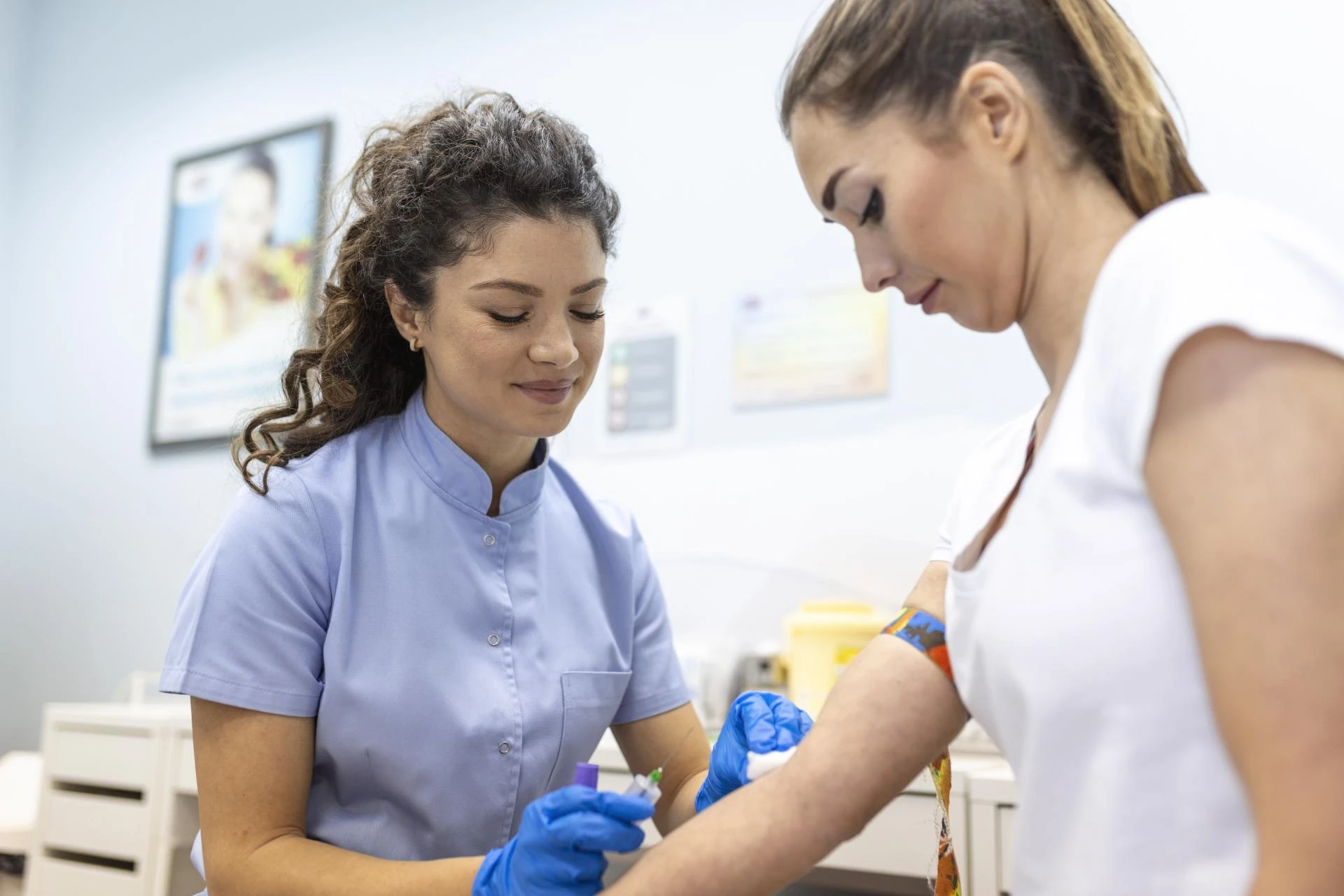
Hormone testing plays a crucial role in evaluating fertility. Blood tests are usually done on specific days of the menstrual cycle to measure hormones such as:
- FSH (Follicle-Stimulating Hormone) – Indicates ovarian function
- LH (Luteinizing Hormone) – Helps assess ovulation
- AMH (Anti-Müllerian Hormone) – Reflects ovarian reserve
- Estrogen and Progesterone – Shows how well the ovaries and menstrual cycle are functioning
- TSH (Thyroid-Stimulating Hormone) – Thyroid health can directly affect fertility
2. Ovulation Testing
Ovulation tests track whether and when ovulation occurs. This can be done through:
- Ovulation predictor kits (OPKs)
- Blood tests for progesterone
- Ultrasound monitoring of follicle development
3. Ovarian Reserve Testing
Ovarian reserve tests estimate the number of eggs remaining in the ovaries. AMH blood tests and antral follicle count (via ultrasound) are commonly used to understand fertility potential and reproductive lifespan.
4. Pelvic Ultrasound
A pelvic ultrasound examines the uterus and ovaries to detect conditions such as fibroids, ovarian cysts, or polycystic ovary syndrome (PCOS), which can affect fertility.
5. Hysterosalpingography (HSG)
This imaging test checks whether the fallopian tubes are open and evaluates the shape of the uterus. Blocked tubes can prevent sperm from reaching the egg, making this test essential for fertility assessment.
When Should a Woman Consider Fertility Testing?
Women may consider fertility testing if:
- They have been trying to conceive for 12 months (or 6 months if over 35)
- Menstrual cycles are irregular or absent
- There is a history of PCOS, endometriosis, or pelvic infections
- They want to delay pregnancy and assess fertility status
- There is a family history of early menopause
Benefits of Fertility Testing for Women
- Early detection of fertility issues
- Better family planning decisions
- Personalized treatment options
- Peace of mind and clarity
- Support for fertility preservation choices
How to Prepare for a Fertility Test
Preparation may vary depending on the test, but general tips include:
- Tracking your menstrual cycle
- Sharing complete medical and lifestyle history
- Following instructions for fasting or test timing
- Avoiding stress and maintaining a healthy routine
Final Thoughts
A fertility test for women is a proactive step toward understanding reproductive health and future family planning options. It empowers women with knowledge, allowing them to make informed choices—whether that means trying to conceive naturally, seeking fertility treatment, or considering fertility preservation. Consulting a healthcare provider or fertility specialist ensures accurate interpretation of results and personalized guidance tailored to individual needs.





























Sign in to leave a comment.