
WSQ Safety Training is the Key to a Safer Workplace
Workplace safety has become one of the most important aspects of running a successful and sustainable business. In Singapore, where industries such as construction, marine, logistics, oil and gas, and manufacturing operate in high-risk environments, workplace safety and health (WSH) is not just a compliance requirement—it is a business necessity.
This is where Workforce Skills Qualifications (WSQ) Safety Training comes in. Designed to provide employees with the essential knowledge and practical skills to manage risks, WSQ courses are critical for building a safer, more productive, and legally compliant workplace.
Let’s explore why WSQ safety training is the key to building safer workplaces in Singapore.
1. Building a Strong Safety Culture
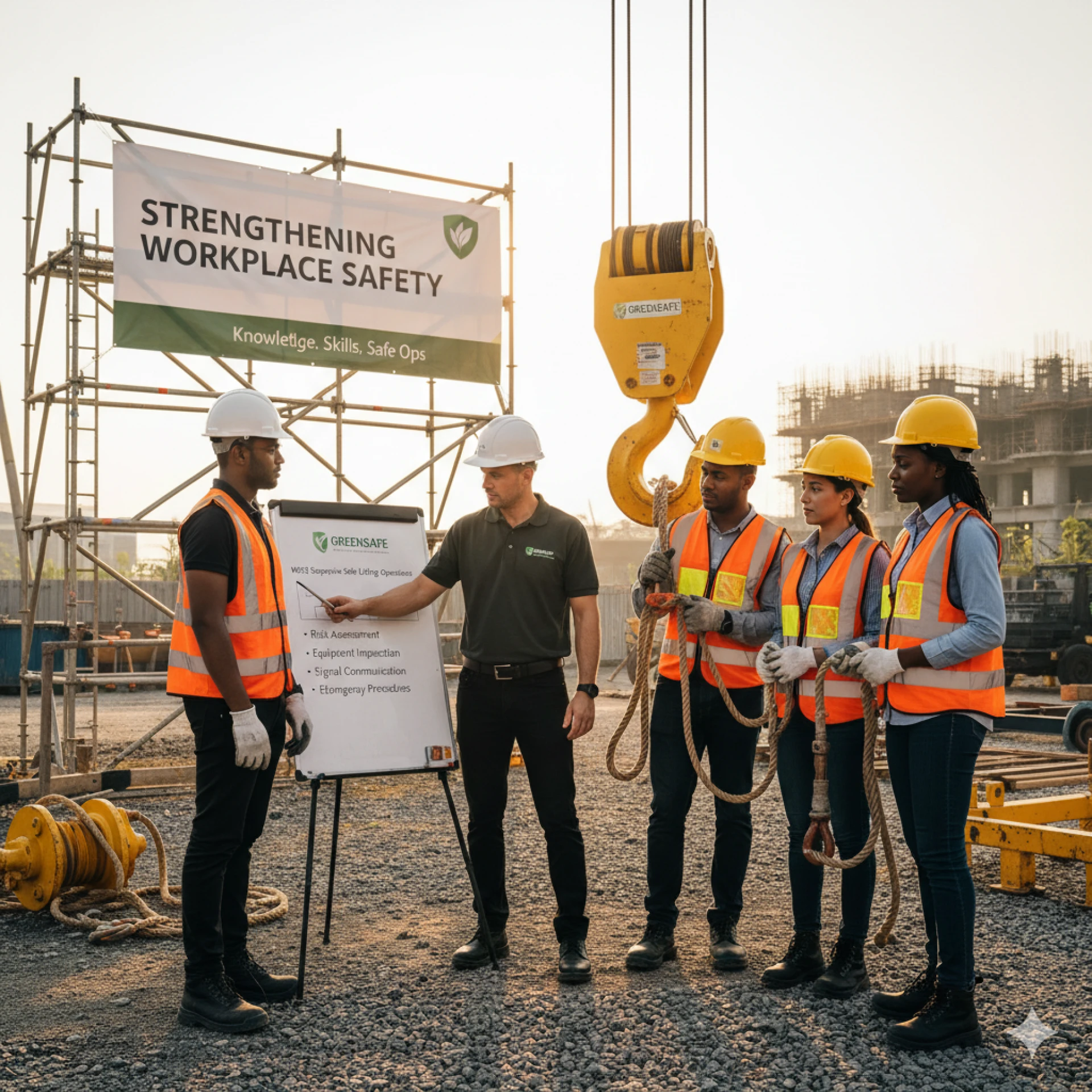
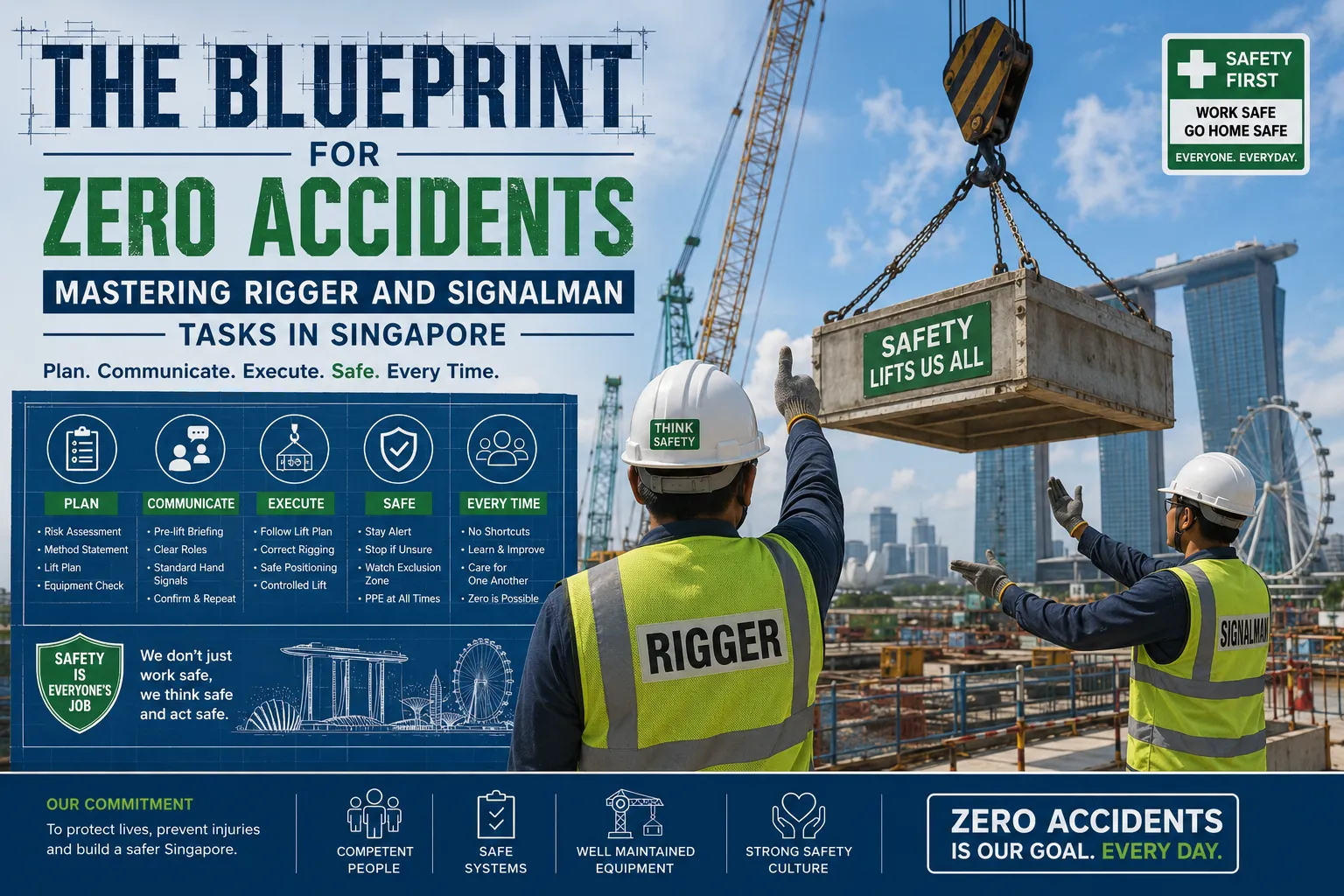
Safety is not just about rules and regulations; it’s about fostering a culture where every worker feels responsible for preventing accidents. WSQ courses, such as the WSQ Perform Rigger and Signalman Tasks or WSQ Respond to Fire Incidents in Workplace, provide workers with systematic knowledge and hands-on training.
By learning standardized procedures, employees become more confident in handling risks, which directly reduces human error and workplace accidents.
2. Compliance with Singapore’s Legal Standards
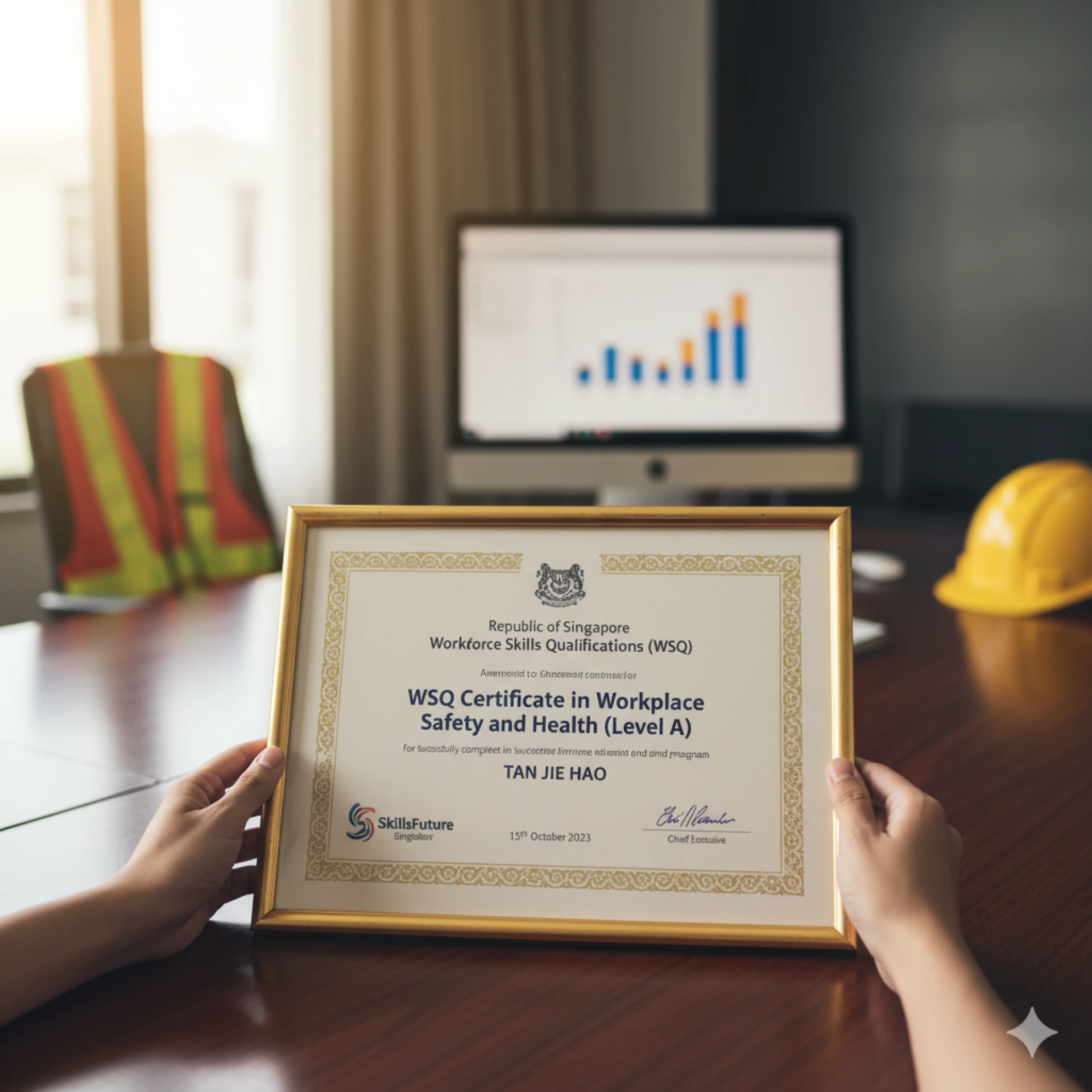
The Ministry of Manpower (MOM) and related authorities mandate safety training for workers in certain industries. For example, a rigger or signalman must complete WSQ-accredited training before being allowed on-site. Similarly, supervisors in the marine or construction industry are required to hold WSQ qualifications for safe lifting operations.
Businesses that fail to comply risk not only heavy fines but also reputational damage. By enrolling staff in WSQ courses, companies meet legal requirements while also protecting themselves against costly penalties.
3. Reducing Costs Through Accident Prevention
Workplace accidents don’t just harm employees—they hurt businesses. Downtime from accidents, repair costs for damaged equipment, higher insurance premiums, and compensation claims can severely impact profitability.
WSQ training reduces these risks by equipping employees with skills to identify hazards early, follow safe procedures, and respond quickly during emergencies. In the long run, companies save significantly by investing in prevention rather than dealing with the consequences of accidents.
4. Enhancing Productivity and Workforce Confidence
A trained worker is not only safer but also more productive. Employees who undergo WSQ training are better prepared to handle high-pressure situations, communicate effectively on-site, and coordinate with their teams.
For example:
- A WSQ Confined Space Operations course trains workers to enter, work, and exit safely from high-risk spaces.
- A WSQ Fire Incident Response course ensures employees can respond immediately during emergencies without panic.
This translates to fewer delays, smoother operations, and higher overall productivity.
5. A Competitive Advantage for Businesses
Clients and partners increasingly demand that contractors, vendors, and service providers demonstrate strong safety records. Having a WSQ-trained workforce sets businesses apart from competitors by showing commitment to workplace safety.
B2B clients see safety certifications as proof of credibility, while B2C customers view them as a sign of professionalism. Companies that prioritize WSQ training not only meet regulatory requirements but also win trust, contracts, and long-term partnerships.
6. WSQ Training Supports All Levels of Employees
One of the strengths of WSQ safety training is that it is not limited to frontline workers. The courses are designed to cater to all levels within an organization:
- Workers – Learn hands-on safety skills for daily operations.
- Supervisors – Gain knowledge in managing teams and enforcing safety procedures.
- Managers – Acquire skills to develop and implement safety management systems (e.g., bizSAFE Level 2 & 4 training).
This ensures that safety becomes a shared responsibility across the company, from the ground up.
7. Real-World Scenarios Where WSQ Training Matters
- Construction Sites: A signalman’s precise communication with a crane operator prevents swaying loads from becoming fatal hazards.
- Marine Operations: Supervisors trained under WSQ marine industry courses ensure safe lifting in dockyards.
- Oil & Gas: Workers trained in risk management avoid costly equipment damage and downtime.
- Manufacturing: First aid and fire response training help minimize injury during emergencies.
These examples show how WSQ courses translate directly into safer, smoother, and more efficient operations.
8. Creating a Sustainable Workforce for the Future
Workplace safety is not a one-time exercise. As industries evolve and technologies advance, employees must continuously upgrade their skills. WSQ training ensures that the workforce remains adaptable and ready for future challenges, making it a long-term investment in human capital.
Final Thoughts
In today’s fast-paced and high-risk industries, WSQ safety training is more than just compliance—it is the foundation of workplace excellence. From reducing accidents and costs to building trust with clients and employees, the benefits are undeniable.
For businesses in Singapore, prioritizing WSQ safety training means investing in sustainability, reputation, and long-term growth. A safer workplace is not just about avoiding accidents—it’s about empowering people, building confidence, and creating an environment where businesses and employees can thrive together.
Visit - Greensafe International for More..


























Sign in to leave a comment.