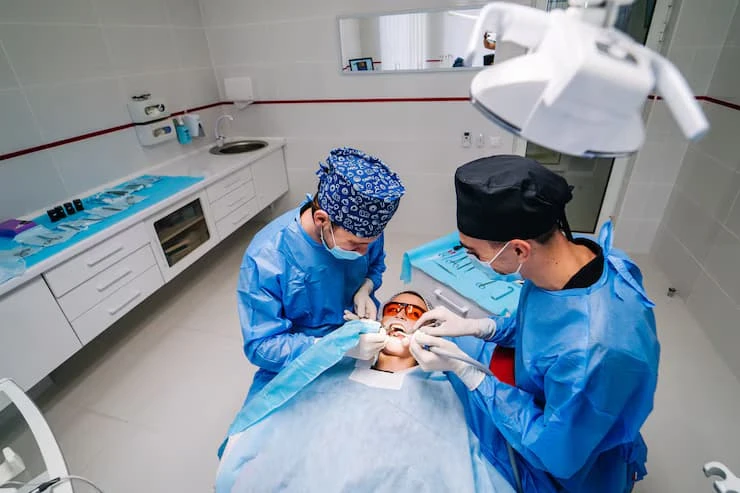

In the realm of healthcare, dental emergencies often catch individuals off guard, leading to confusion and anxiety about what to do next. Understanding the available options for emergency dental care, especially when seeking a dentist near Wilmette, is essential for ensuring prompt treatment and minimizing long-term complications. This guide aims to illuminate the various aspects of emergency dental care, equipping readers with the knowledge needed to navigate these stressful situations effectively.
Recognizing a Dental Emergency
The first step in addressing a dental emergency is recognizing what constitutes one. Not all dental issues require immediate attention, but certain conditions certainly do. Common emergencies include severe toothaches, knocked-out teeth, cracked or fractured teeth, and soft tissue injuries involving the gums, tongue, or cheeks.
A severe toothache, for instance, might signal an underlying infection or decay that could worsen if untreated. Similarly, knocking out a tooth can lead to permanent loss if not addressed swiftly. Understanding these symptoms is crucial for determining when to seek immediate care from a dentist near Wilmette.
In addition to these scenarios, dental abscesses—pockets of pus caused by bacterial infections—can also constitute emergencies. Symptoms may include swelling, fever, and intense pain. Recognizing these signs early can significantly influence the treatment outcome and overall health.
Immediate Steps to Take During a Dental Emergency
When faced with a dental emergency, knowing how to respond can make a significant difference. For a knocked-out tooth, it is vital to act quickly. The first step is to handle the tooth by its crown, avoiding contact with the root. If possible, the tooth should be gently rinsed in water to remove any debris and then placed back into the socket. If reinsertion isn’t feasible, the tooth should be stored in a container of milk or saline solution until reaching a dentist near Wilmette.
In cases of severe toothaches, over-the-counter pain relievers can provide temporary relief while waiting for professional assistance. Applying a cold compress to the cheek can also help reduce swelling and ease discomfort. However, it is essential not to place heat directly on the affected area, as this could exacerbate inflammation.
For soft tissue injuries, rinsing the mouth with warm salt water can help clean the area and reduce the risk of infection. If bleeding occurs, applying gentle pressure with a clean cloth or gauze can aid in controlling it. If the bleeding persists for more than 10 minutes, it is crucial to seek immediate dental care.
Finding Emergency Dental Care in Wilmette
Knowing where to turn for emergency dental care is vital. Many dental practices offer emergency services, but not all are equipped to handle urgent situations. When searching for a dentist near Wilmette, it is important to verify which offices provide emergency appointments.
One way to find reliable emergency dental services is to check local directories or online platforms that list dental practices in the area. Websites often provide details about the services offered, including emergency care. Additionally, many dentists maintain active social media profiles, where they may post updates regarding their availability for emergency situations.
It's also beneficial to reach out to friends or family for recommendations. Personal experiences can offer valuable insights into the quality of care provided by specific dentists. Knowing that someone has had a positive experience can help alleviate anxiety about seeking emergency care.
What to Expect During an Emergency Dental Visit
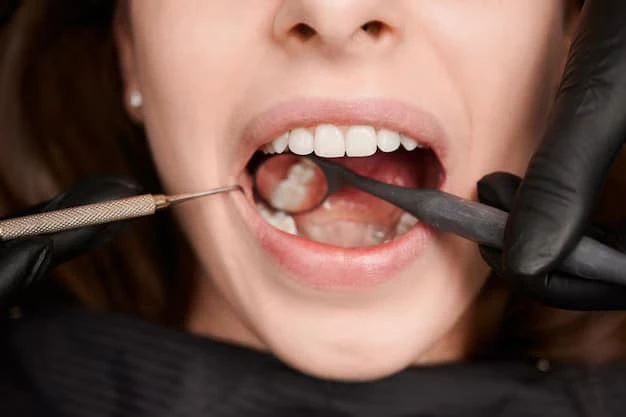
When visiting a dentist for an emergency appointment, patients can expect a thorough examination and prompt treatment. Upon arrival, the dental staff will typically gather information regarding the emergency, including symptoms and any relevant medical history.
Once the dentist assesses the situation, they will recommend a treatment plan tailored to the specific emergency. This may involve procedures ranging from fillings and root canals to more extensive interventions like extractions. The dentist will explain each step, ensuring that the patient understands the process and what to expect.
Moreover, many dentists prioritize patient comfort during emergency visits. In cases of severe pain, they may offer sedation options to help alleviate anxiety and discomfort. Open communication between the dentist and patient is vital in ensuring a positive experience, even in high-stress situations.
Preventing Dental Emergencies
While not all dental emergencies can be predicted, there are several steps individuals can take to minimize the risk. Regular dental check-ups and cleanings, typically every six months, can help identify potential issues before they escalate into emergencies. During these visits, dentists can address concerns such as cavities, gum disease, and misalignments, reducing the likelihood of sudden issues arising.
Additionally, practicing good oral hygiene at home is essential. This includes brushing twice daily with fluoride toothpaste, flossing regularly, and using mouthwash to help eliminate bacteria. Encouraging habits that protect teeth from injury—such as wearing mouthguards during sports—can also be beneficial in preventing emergencies.
Furthermore, individuals should be mindful of their diets. Avoiding excessive sugary foods and drinks can help prevent decay, while being cautious of hard foods can protect against chips and fractures. Overall, a proactive approach to oral health can significantly decrease the chances of encountering a dental emergency.
Conclusion: Being Prepared for Dental Emergencies
Navigating a dental emergency can be daunting, but understanding the necessary steps and knowing where to seek help can make the process smoother. Recognizing the signs of an emergency, responding appropriately, and being aware of local resources are all essential components of effective emergency care. For residents seeking a reliable dentist near Wilmette, being prepared can lead to better outcomes and peace of mind.
In conclusion, while emergencies are often unpredictable, having a plan in place can mitigate stress during a crisis. For those in need of quality dental care, Glenlake Dental Care offers a comprehensive approach to emergency dental situations, ensuring that patients receive the assistance they need in a timely and professional manner.



























Sign in to leave a comment.