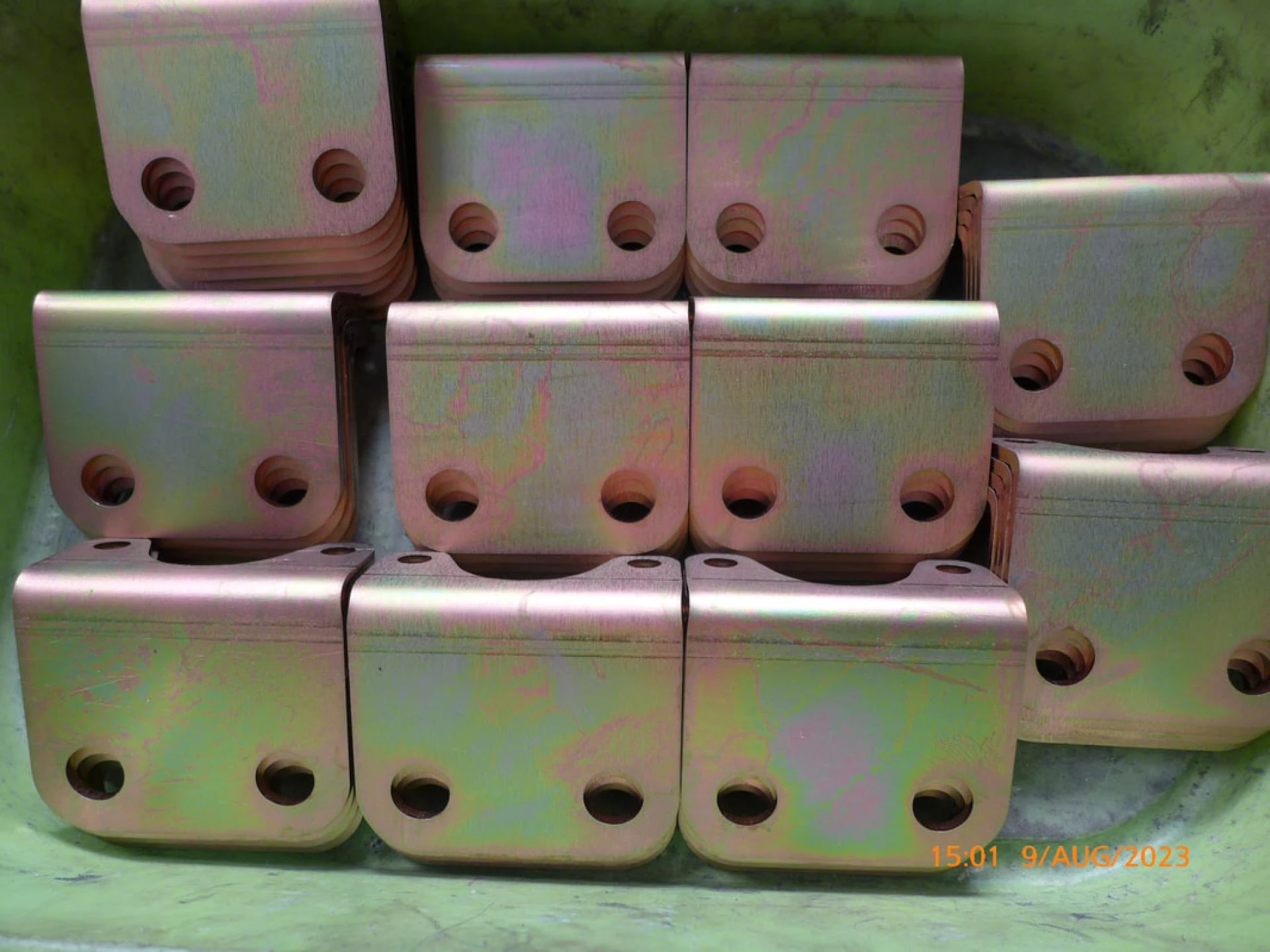

In modern manufacturing and infrastructure development, surface protection plays a critical role in extending the life of metal components. From construction hardware to automotive parts, metals are constantly exposed to moisture, chemicals, and environmental stressors that can lead to corrosion. One of the most widely adopted solutions to this challenge is zinc plating—a process valued for its durability, cost-effectiveness, and adaptability across industries. In a city known for its strong industrial base, the demand for reliable zinc plating continues to grow as businesses seek long-term performance and compliance with quality standards.
Understanding Zinc Plating and Its Purpose
Zinc plating is a metal finishing process where a thin layer of zinc is applied to the surface of steel or iron components through electrochemical means. This coating acts as a sacrificial layer, meaning it corrodes preferentially to protect the underlying metal. The result is enhanced resistance to rust, improved surface appearance, and extended service life of components.
Industries operating in urban and coastal environments particularly benefit from zinc plating due to higher exposure to humidity and pollutants. This is where Zinc Plating Melbourne solutions become especially relevant, as local conditions demand robust corrosion protection methods tailored to industrial use.
Why Zinc Plating Matters in Industrial Applications
Industrial components are often subjected to heavy loads, friction, and harsh environments. Without proper surface treatment, even high-grade metals can fail prematurely. Zinc plating offers several advantages that make it a preferred choice:
- Corrosion Resistance: Zinc acts as a protective barrier against oxidation.
- Cost Efficiency: Compared to alternative coatings, zinc plating delivers long-term protection at a relatively low cost.
- Compatibility: Suitable for fasteners, brackets, pipes, and precision components.
- Uniform Coverage: Electroplating ensures even coating, even on complex geometries.
These benefits explain why manufacturers increasingly rely on Electroplating Services as part of their quality assurance and production processes.
The Role of Electroplating in Quality Control
Electroplating is not just about coating a surface; it is a controlled scientific process that directly impacts product performance. Parameters such as current density, bath composition, and coating thickness must be carefully managed to achieve consistent results.
Professional Electroplating Services follow strict process controls to ensure that plated components meet industry specifications. This is particularly important in sectors such as automotive manufacturing, electrical equipment, and industrial machinery, where even minor defects can lead to operational failures or safety concerns.
In Melbourne’s competitive industrial landscape, adherence to national and international standards has made Zinc Plating Melbourne providers an integral part of supply chains that prioritize reliability and traceability.
Environmental and Compliance Considerations
Modern zinc plating processes have evolved significantly to address environmental and regulatory concerns. Advances in bath chemistry and waste treatment have reduced the ecological footprint of electroplating operations. Many facilities now implement closed-loop systems, wastewater treatment, and compliant chemical handling practices.
For industries aiming to meet sustainability goals, working with compliant Electroplating Services ensures that metal finishing processes align with environmental regulations while maintaining performance standards. This balance between durability and responsibility has become increasingly important for manufacturers operating in regulated markets.
Applications Across Key Industries
Zinc plating is widely used across multiple sectors due to its versatility. Common applications include:
- Construction: Bolts, nuts, and structural connectors exposed to weather.
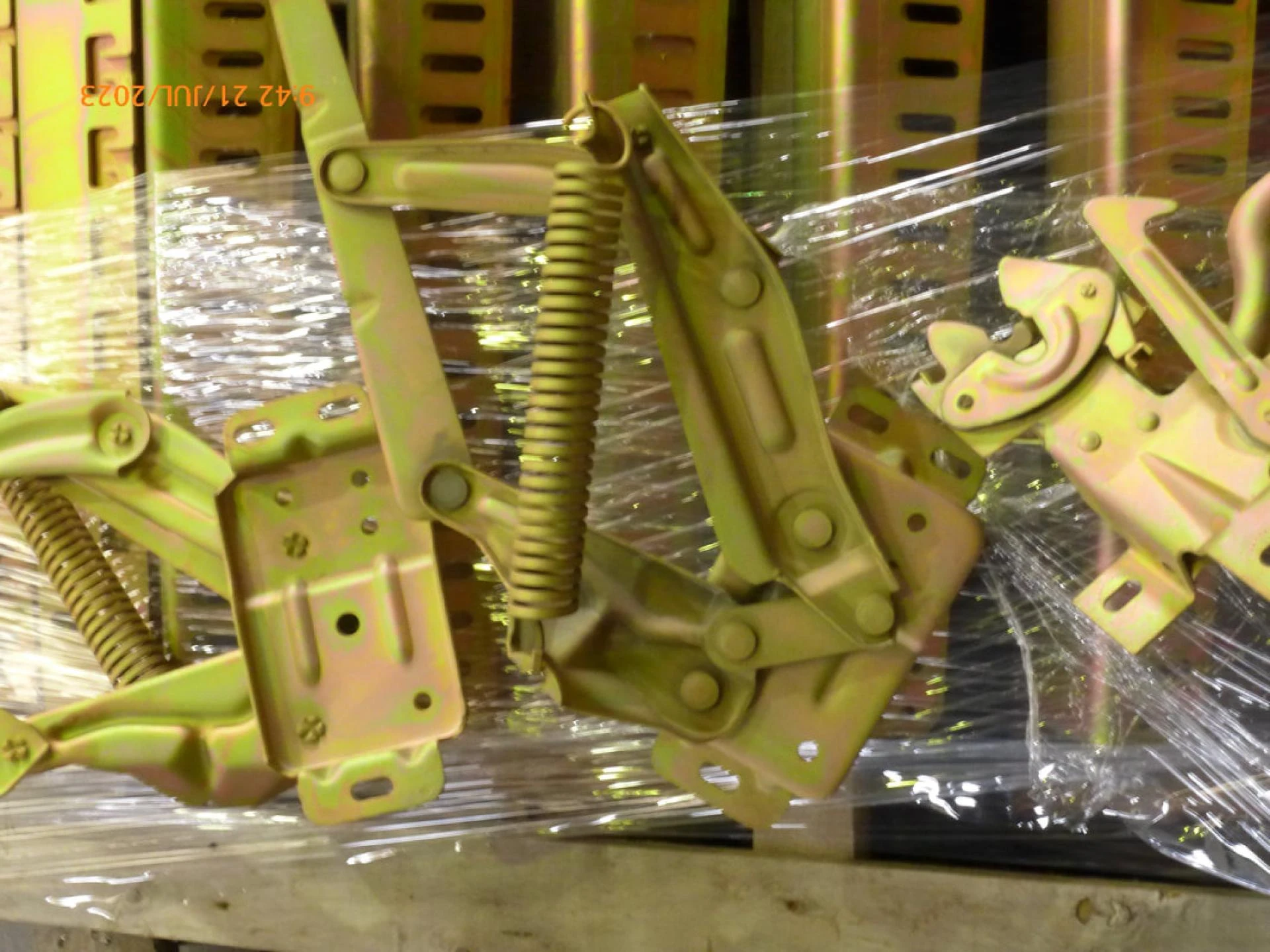
- Automotive: Brake components, fasteners, and underbody parts.
- Electrical: Enclosures and fittings requiring corrosion resistance and conductivity.
- Manufacturing: Tools, machinery parts, and fabricated components.
The adaptability of Zinc Plating Melbourne solutions allows industries to protect both high-volume and custom components without compromising on quality or turnaround time.
Factors That Influence Plating Performance
The effectiveness of zinc plating depends on several technical factors, including surface preparation, coating thickness, and post-treatment processes such as passivation. Proper cleaning and pre-treatment ensure strong adhesion, while controlled thickness determines the lifespan of the coating.
Experienced Electroplating Services providers understand how to adjust these variables based on the intended use of the component. This technical expertise ensures that plated parts perform reliably under real-world conditions, whether exposed to mechanical stress or corrosive environments.
Conclusion
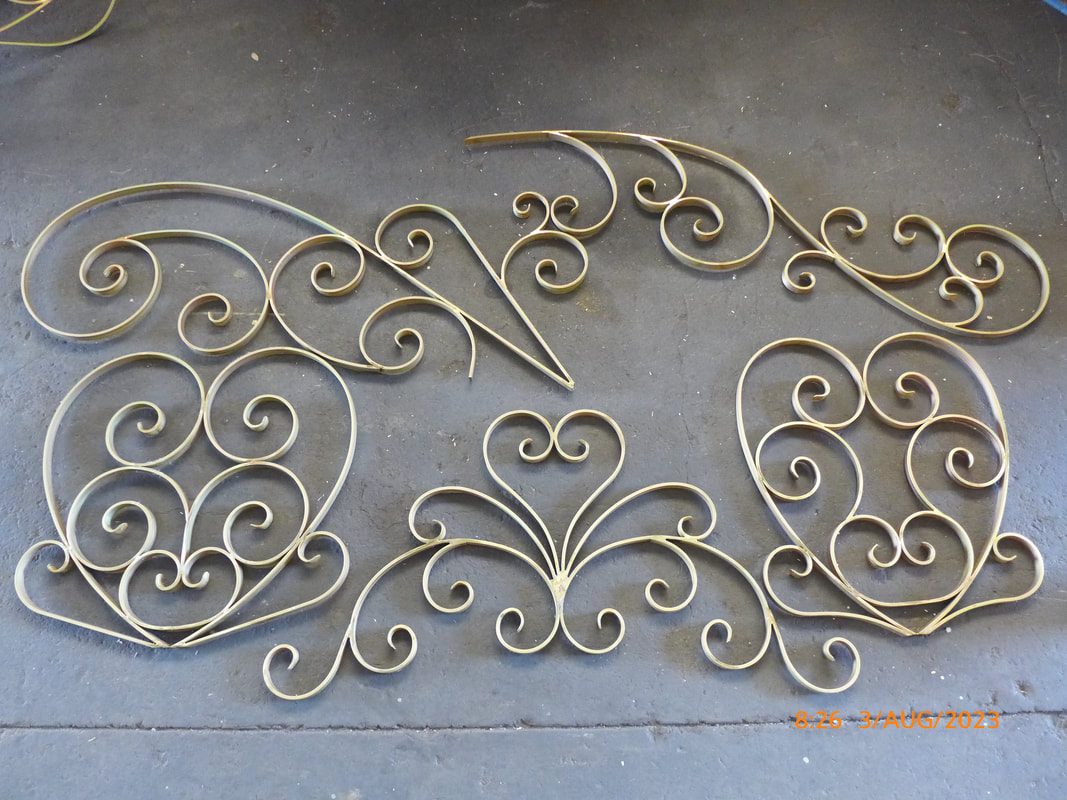
Zinc plating remains a cornerstone of industrial metal protection due to its proven performance, adaptability, and cost efficiency. As industries continue to demand longer-lasting and compliant components, the role of professional electroplating becomes increasingly significant. By understanding the principles, applications, and quality considerations behind zinc plating, businesses can make informed decisions that support durability and operational efficiency. In an industrial hub like Melbourne, well-executed zinc plating solutions contribute directly to the strength, safety, and longevity of essential metal components.
























Sign in to leave a comment.