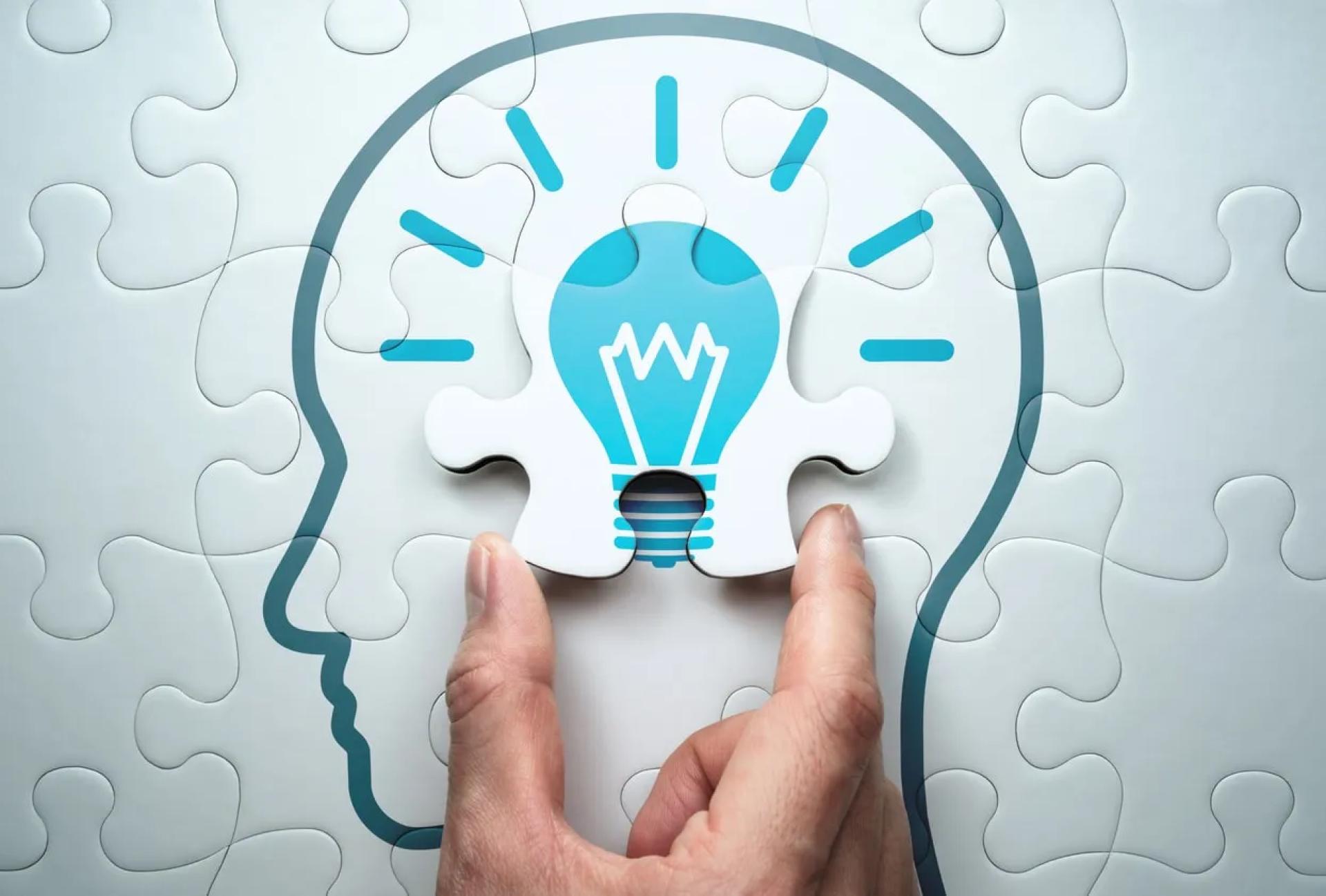

Anxiety is one of the most common mental health conditions worldwide, affecting millions of people each year. From mild worry to debilitating panic attacks, anxiety can take many forms. For many, the journey to find relief feels like solving a complex puzzle, with multiple pieces to consider. In this post, we'll explore different strategies for managing anxiety, including lifestyle changes, therapy, and medication. Specifically, we'll look at how finding the right anxiety medication can play a key role in reclaiming control of your life.
Understanding Anxiety: More Than Just Worry
Anxiety is not just about feeling nervous before a big event or having the occasional unsettling thought. It’s a chronic condition for many people that can affect every aspect of life—from relationships and work to physical health and sleep patterns. People who experience anxiety may feel tense, restless, or fearful, even when there’s no apparent reason for these emotions.
Anxiety manifests in many ways, including:
- Generalized Anxiety Disorder (GAD): Constant worry about daily life.
- Panic Disorder: Sudden and intense panic attacks.
- Social Anxiety Disorder: Extreme fear of social interactions.
- Phobias: Intense fear of specific objects or situations.
Regardless of the form it takes, anxiety can severely impact a person’s quality of life. Understanding its root causes and symptoms is the first step toward finding relief.
The Puzzle of Anxiety Relief: Where to Start?
When it comes to managing anxiety, there’s no one-size-fits-all solution. Everyone’s experience with anxiety is unique, so the path to relief must be tailored to individual needs. That said, there are several common approaches that can help manage anxiety. These include therapy, lifestyle changes, and the use of anxiety medication.
Therapy: A Foundation for Managing Anxiety
One of the most effective methods for addressing anxiety is through therapy. Cognitive Behavioral Therapy (CBT) is one of the most widely used therapeutic approaches for treating anxiety. CBT focuses on identifying negative thought patterns and replacing them with more balanced and rational thoughts. Over time, this helps to reduce anxiety and improve emotional regulation.
Another effective therapy for anxiety is Exposure Therapy, where individuals gradually confront situations that trigger their anxiety, in a controlled environment. This method is particularly useful for phobias and social anxiety.
Therapy can provide long-term benefits, but it may take time before noticeable improvements are seen. It’s important to commit to the process and work closely with a trained mental health professional.
Lifestyle Changes: Simple Habits for Big Impact
In addition to therapy, making small changes to your lifestyle can significantly reduce anxiety. Here are some everyday practices that can help you manage anxiety:
Exercise Regularly
Physical activity is one of the best ways to combat anxiety. Exercise releases endorphins, which are natural mood lifters. Whether it’s a brisk walk, yoga, or a vigorous workout, regular exercise helps reduce stress and promotes overall well-being.
Eat a Balanced Diet
What we eat directly affects our mental health. A diet rich in whole foods, lean proteins, healthy fats, and complex carbohydrates can help maintain balanced blood sugar levels, which in turn stabilizes mood. Avoid excessive caffeine and sugar, as these can trigger or worsen anxiety symptoms.
Prioritize Sleep
Lack of sleep is both a symptom and a trigger for anxiety. Establishing a healthy sleep routine is crucial. Aim for 7-9 hours of quality sleep each night and avoid screens before bedtime to improve your sleep hygiene.
Practice Mindfulness and Relaxation Techniques
Mindfulness meditation, deep breathing exercises, and progressive muscle relaxation are powerful tools for reducing anxiety. These techniques help calm the nervous system and foster a state of mindfulness, allowing you to remain present in the moment rather than getting caught up in anxious thoughts.
The Role of Anxiety Medication in Finding Relief
While lifestyle changes and therapy can provide long-term solutions for managing anxiety, medication can offer immediate relief for those who are struggling with intense symptoms. When anxiety becomes overwhelming, anxiety medication can be a vital tool in your treatment plan.
Understanding Anxiety Medication
Anxiety medications are typically divided into two categories:
- Anti-anxiety medications: These are prescribed to manage symptoms of anxiety in the short-term. The most common are benzodiazepines, such as Alprazolam (Xanax) and Diazepam (Valium), which work quickly to reduce anxiety. However, these medications can be habit-forming, so they are usually prescribed for short durations.
- Antidepressants: Though primarily used to treat depression, many antidepressants are also effective in managing anxiety disorders. Selective serotonin reuptake inhibitors (SSRIs), such as Sertraline (Zoloft) and Escitalopram (Lexapro), are often the first line of treatment for anxiety. These medications work by increasing serotonin levels in the brain, which helps regulate mood and reduce anxiety.
Choosing the Best Anxiety Medication
Finding the best anxiety medication for your needs can be a process of trial and error, as each person responds differently to various drugs. Some medications may work quickly to relieve symptoms, while others take a few weeks to show results.
It's important to work closely with your healthcare provider to determine the right medication for you. They will take into account factors such as the severity of your anxiety, any pre-existing health conditions, and other medications you may be taking.
When to Consider Anxiety Medication
While lifestyle changes and therapy are important for long-term relief, medication may be necessary if your anxiety is severely impairing your ability to function. If you experience chronic, intense symptoms that do not improve with therapy or self-care, it’s important to seek professional advice about anxiety medication.
For those who experience situational anxiety—such as anxiety related to public speaking, exams, or major life changes—medication may be prescribed for short-term use. These medications can provide the relief needed to navigate these stressful situations with more confidence.
Combining Therapies: The Most Effective Approach
In many cases, the most effective way to manage anxiety is through a combination of medication and therapy. Anxiety medications can help stabilize mood in the short term, while therapy provides long-lasting tools for managing anxiety in the future. By addressing both the symptoms and the root causes of anxiety, this dual approach can help you achieve more sustainable relief.
Additionally, lifestyle changes like exercise and meditation can further support your mental health, enhancing the effects of medication and therapy. It’s important to view anxiety treatment as a holistic process, where medication is just one piece of the puzzle.
Finding Your Path to Relief: A Personal Journey
The journey to managing anxiety is deeply personal. What works for one person may not work for another, and finding the right combination of therapy, medication, and lifestyle changes can take time. It’s essential to remain patient with yourself and seek professional support when needed.
What to Do if You’re Struggling
If you’re feeling overwhelmed by anxiety, know that you’re not alone. Reach out to a mental health professional who can guide you through your options. Whether it’s through therapy, medication, or a combination of both, there is a way forward.
Consider seeking advice from your doctor or psychiatrist to discuss whether anxiety medication might be right for you. There is no shame in taking medication to manage a mental health condition. In fact, the best anxiety medication, when prescribed correctly, can provide you with the relief and stability needed to reclaim your life.
Conclusion: Embrace the Journey to Relief
Living with anxiety can feel like navigating a maze with no clear exit. But with the right approach, you can find your way to relief. Therapy, lifestyle changes, and the best anxiety medication can all play a role in reducing anxiety and improving your quality of life. Remember, each step you take toward managing anxiety is a victory. It may take time, but with the right support, you can successfully manage anxiety and live a fulfilling life.
























Sign in to leave a comment.