

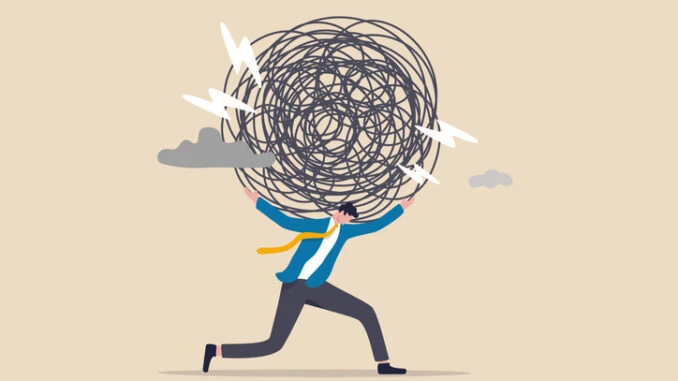
Anxiety is a silent, persistent presence in the lives of millions. It often doesn’t shout; it whispers. It hides in everyday interactions, lurks behind confident smiles, and weighs heavily on shoulders already burdened with the pressures of modern life. "The Silent Weight: Living with Anxiety" aims to shed light on what it's like to navigate life with this invisible companion and explore ways to manage its impact effectively.
Understanding Anxiety: More Than Just Stress
At its core, anxiety is the body's natural response to stress. It’s a feeling of fear or apprehension about what’s to come. But for those who live with an anxiety disorder, this feeling is more than a passing moment. It is a constant undercurrent that influences thoughts, behaviors, and physical sensations.
Anxiety disorders are among the most common mental health issues worldwide, affecting over 284 million people. They come in many forms, including generalized anxiety disorder (GAD), social anxiety disorder, panic disorder, and specific phobias. Each of these conditions can be debilitating and interfere with daily activities.
The Invisible Battle: What Living with Anxiety Feels Like
Living with anxiety often means dealing with racing thoughts, a pounding heart, and a pervasive sense of dread. It can manifest physically as headaches, muscle tension, and gastrointestinal issues. Mentally, it can lead to excessive worrying, restlessness, and difficulty concentrating.
What makes anxiety particularly insidious is its invisibility. Unlike a broken leg or a fever, anxiety doesn't present itself clearly to the outside world. This invisibility can lead to misunderstandings and stigma. People may say, "Just relax," or "It’s all in your head," without realizing the depth of the struggle.
Personal Stories: Giving Voice to the Silence
Hearing from those who live with anxiety can be both enlightening and comforting. Sarah, a 32-year-old graphic designer, shared: "I wake up each day with my heart racing. It doesn’t matter if there's a big meeting or just a normal day. The weight is always there. I've learned to function, but it never really goes away."
For James, a college student, anxiety makes socializing nearly impossible. "I want to hang out with friends, but my mind convinces me they'll think I'm weird or annoying. I cancel plans last minute and then feel worse about myself. It’s a cycle."
These stories reflect a reality that many experience but few talk about openly.
Coping Strategies: Finding Light in the Darkness
Despite its challenges, anxiety is manageable. There is no one-size-fits-all approach, but a combination of strategies often helps.
1. Therapy and Counseling
Cognitive-behavioral therapy (CBT) is one of the most effective treatments for anxiety. It helps individuals identify negative thought patterns and develop healthier responses. Therapists can also provide a safe space to express emotions and explore underlying issues.
2. Lifestyle Adjustments
Exercise, sleep, and diet play crucial roles in mental health. Regular physical activity releases endorphins, which can reduce anxiety symptoms. Prioritizing sleep and maintaining a balanced diet help regulate mood and energy levels.
3. Mindfulness and Meditation
Practices like meditation, yoga, and deep breathing exercises can help ground individuals in the present moment. Mindfulness encourages awareness without judgment, helping to break the cycle of anxious thoughts.
4. Anxiety Medication
For some, lifestyle changes and therapy aren’t enough. Anxiety medication can be a valuable part of a comprehensive treatment plan. Medications such as SSRIs (Selective Serotonin Reuptake Inhibitors) and benzodiazepines are commonly prescribed to manage symptoms.
It’s essential to consult with a healthcare provider to determine the best anxiety medication for an individual’s needs. While medication isn’t a cure, it can significantly improve quality of life and make other forms of treatment more effective.
The Role of Support Systems
Living with anxiety can be isolating, but support makes a significant difference. Friends, family, and support groups provide encouragement and reduce the sense of loneliness. Simply having someone listen without judgment can be incredibly therapeutic.
Employers and educators also play a role. Creating environments that recognize and accommodate mental health challenges can lead to better outcomes for everyone.
Reducing the Stigma
Mental health stigma remains a major barrier to seeking help. Many fear being judged or labeled as "weak." Education and open conversations are crucial to shifting these perceptions.
By sharing stories, promoting awareness, and encouraging empathy, we can create a culture where it's okay to not be okay.
When to Seek Help
It's normal to feel anxious before a big test or a job interview. But if anxiety is constant, overwhelming, or interfering with daily life, it may be time to seek professional help. Signs that it’s time to talk to a mental health professional include:
- Persistent worry that feels uncontrollable
- Avoidance of social or work situations
- Physical symptoms like insomnia or digestive issues
- Panic attacks
- Feeling on edge for prolonged periods
Early intervention can prevent symptoms from worsening and improve long-term outcomes.
Conclusion: Hope Beyond the Silence
Living with anxiety is challenging, but it's not hopeless. With understanding, support, and the right treatment, individuals can lead fulfilling lives. Whether through therapy, lifestyle changes, or finding the best anxiety medication, there are paths to relief.
The silence around anxiety is starting to lift. By continuing the conversation, we can ensure that those who carry this hidden weight know they are not alone. We see them. We hear them. And most importantly, we stand with them.



























Sign in to leave a comment.