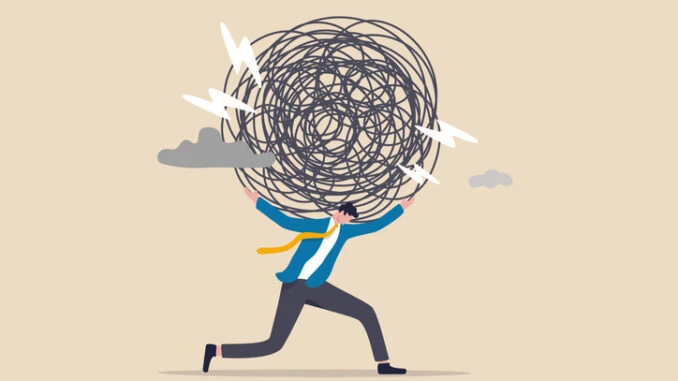

Anxiety is a common yet deeply personal struggle that affects millions of people globally. Whether it manifests as persistent worry, panic attacks, or chronic unease, anxiety can feel overwhelming. The good news? With the right tools and support, it is entirely possible to manage anxiety and reclaim your peace of mind. This article explores practical strategies for overcoming anxiety, including the role of therapy, lifestyle changes, and anxiety medication.
Understanding Anxiety: A Silent Epidemic
Anxiety disorders are among the most common mental health conditions, impacting over 40 million adults in the United States alone. While some level of anxiety is normal and even helpful in certain situations, chronic anxiety can interfere with daily life, relationships, and overall well-being.
Common types of anxiety disorders include:
- Generalized Anxiety Disorder (GAD)
- Panic Disorder
- Social Anxiety Disorder
- Obsessive-Compulsive Disorder (OCD)
- Post-Traumatic Stress Disorder (PTSD)
Recognizing the symptoms is the first step. These may include excessive worry, restlessness, difficulty concentrating, fatigue, and sleep disturbances. The more we understand our anxiety, the better equipped we are to manage it.
The Power of a Growth Mindset
The idea of "mind over mood" centers on the power of mindset in shaping how we perceive and respond to anxiety. A growth mindset—the belief that we can improve through effort and learning—can be a powerful antidote to anxiety. Instead of seeing anxiety as a permanent, immovable part of life, we begin to see it as something that can be understood and managed.
Cognitive Behavioral Therapy (CBT) is particularly effective in helping individuals develop this mindset. By identifying and challenging negative thought patterns, CBT empowers individuals to reframe their thinking and reduce anxiety symptoms.
Lifestyle Changes to Support Mental Health
Lifestyle plays a crucial role in managing anxiety. Incorporating healthy habits can provide a strong foundation for mental resilience.
1. Exercise Regularly
Physical activity helps to release endorphins, which are natural mood enhancers. Even 30 minutes of walking daily can significantly reduce anxiety symptoms.
2. Eat a Balanced Diet
Foods rich in omega-3 fatty acids, magnesium, and complex carbohydrates can support brain function and stabilize mood. Avoid excessive caffeine and sugar, as they can exacerbate anxiety.
3. Prioritize Sleep
Poor sleep is both a symptom and a cause of anxiety. Establish a calming bedtime routine and aim for 7-9 hours of quality sleep per night.
4. Practice Mindfulness and Meditation
Mindfulness techniques help ground you in the present moment, making it easier to manage anxious thoughts. Apps like Headspace and Calm offer guided meditations that are perfect for beginners.
When to Consider Anxiety Medication
While lifestyle changes and therapy are highly effective, some individuals may need additional support in the form of anxiety medication. There's no shame in seeking pharmacological help—for many, it's a critical component of their mental health strategy.
Anxiety medications fall into several categories:
- Selective Serotonin Reuptake Inhibitors (SSRIs): Commonly prescribed for long-term anxiety management.
- Benzodiazepines: Fast-acting medications for acute anxiety, but not recommended for long-term use due to dependency risks.
- Beta-Blockers: Used for situational anxiety, such as public speaking.
- Buspirone: A non-benzodiazepine that can be effective for generalized anxiety.
Choosing the best anxiety medication depends on your specific symptoms, medical history, and lifestyle. Always consult a healthcare professional for a personalized treatment plan.
Building a Support System
You don’t have to face anxiety alone. Building a strong support system can make a world of difference. This includes:
- Therapists and Counselors: Trained professionals can guide you through cognitive and behavioral strategies.
- Support Groups: Sharing your experiences with others who understand can reduce feelings of isolation.
- Friends and Family: Open communication helps loved ones understand what you’re going through and how they can support you.
Real Stories, Real Hope
Hearing from others who have successfully managed their anxiety can be incredibly inspiring. Take Jenna, for example. After struggling with panic attacks for years, she began CBT and started taking an SSRI. Within six months, she noticed a dramatic improvement in her ability to function at work and enjoy her personal life. "For the first time in years, I feel like myself again," she says.
Or consider Mike, who used exercise and mindfulness practices to combat his social anxiety. "It wasn't an overnight fix," he admits, "but every small step added up."
Tracking Progress and Setting Goals
Recovery from anxiety isn’t linear. Some days will be harder than others. Keeping a journal to track your symptoms, triggers, and improvements can help you stay motivated and identify patterns. Set achievable goals and celebrate small victories along the way.
Examples:
- "Today, I made a phone call I’d been dreading."
- "I felt anxious at the meeting but used breathing techniques to stay calm."
Final Thoughts: One Step at a Time
Tackling anxiety doesn’t require dramatic life overhauls. It's about consistent, small steps that move you toward a healthier, more balanced state of mind. Whether that means adopting mindfulness practices, seeking therapy, or exploring the best anxiety medication options with your doctor, every action counts.
You are not alone. Anxiety may be a part of your story, but it doesn’t define you. With time, effort, and support, you can take control and start living a life driven by purpose rather than fear.































Sign in to leave a comment.