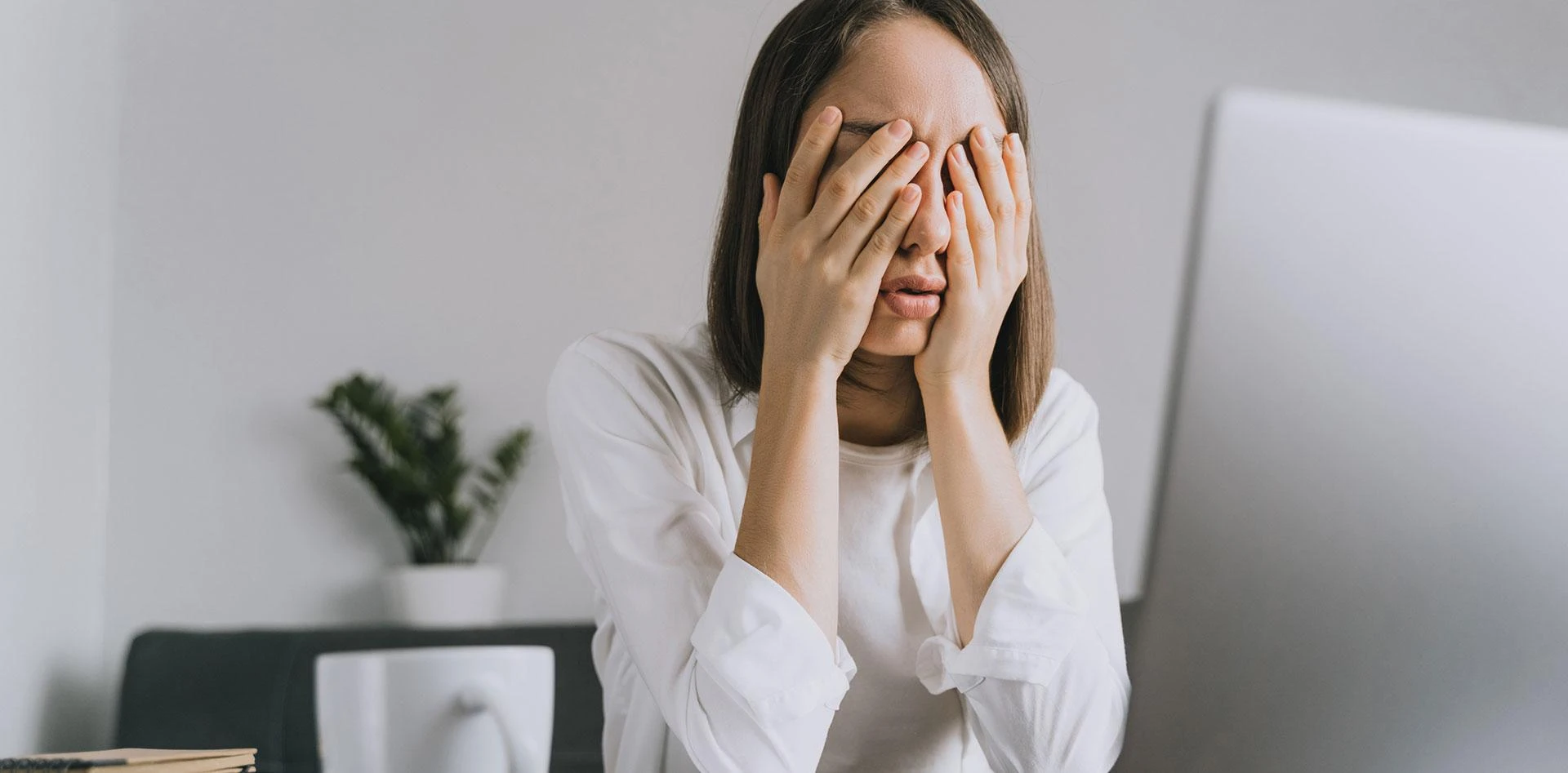

Anxiety is a natural part of life, but for millions of people, it becomes a daily struggle that interferes with work, relationships, and overall well-being. Learning how to manage anxiety in everyday life is essential for maintaining mental and physical health. This comprehensive guide explores practical strategies, lifestyle changes, and available treatments to help you regain control.
Understanding Anxiety: The First Step to Control
Before diving into management techniques, it's crucial to understand what anxiety is. Anxiety is the body's response to stress. It's characterized by feelings of fear, worry, and unease. While occasional anxiety is normal, chronic anxiety can lead to anxiety disorders, which include generalized anxiety disorder (GAD), panic disorder, social anxiety disorder, and more.
Symptoms of Anxiety
- Constant worry or fear
- Restlessness or feeling on edge
- Fatigue
- Difficulty concentrating
- Irritability
- Muscle tension
- Sleep disturbances
Recognizing these symptoms can help you identify whether your anxiety is manageable or if professional help is needed.
Daily Habits to Manage Anxiety
Incorporating small changes into your daily routine can significantly reduce anxiety over time. Here are some evidence-based habits that can help:
1. Practice Mindfulness and Meditation
Mindfulness and meditation are powerful tools for calming the mind. Studies show that regular practice can reduce symptoms of anxiety and improve overall mental health. Apps like Headspace, Calm, or Insight Timer offer guided meditations that are perfect for beginners.
2. Prioritize Physical Activity
Exercise releases endorphins, which are natural mood lifters. Aim for at least 30 minutes of moderate exercise most days of the week. Activities like walking, swimming, yoga, or cycling can be particularly effective.
3. Establish a Sleep Routine
Sleep and anxiety have a two-way relationship. Poor sleep can worsen anxiety, and anxiety can make it difficult to sleep. Create a consistent sleep schedule, avoid screens before bedtime, and establish a calming pre-sleep routine.
4. Limit Caffeine and Alcohol
Caffeine and alcohol can exacerbate anxiety symptoms. Caffeine is a stimulant that can trigger panic attacks in sensitive individuals, while alcohol disrupts sleep and may worsen anxiety over time.
5. Stay Connected
Social support is crucial for managing anxiety. Stay in touch with friends and family. Consider joining a support group for people who experience similar challenges.
Cognitive and Behavioral Strategies
Professional therapeutic approaches can be incredibly effective for long-term anxiety management.
1. Cognitive Behavioral Therapy (CBT)
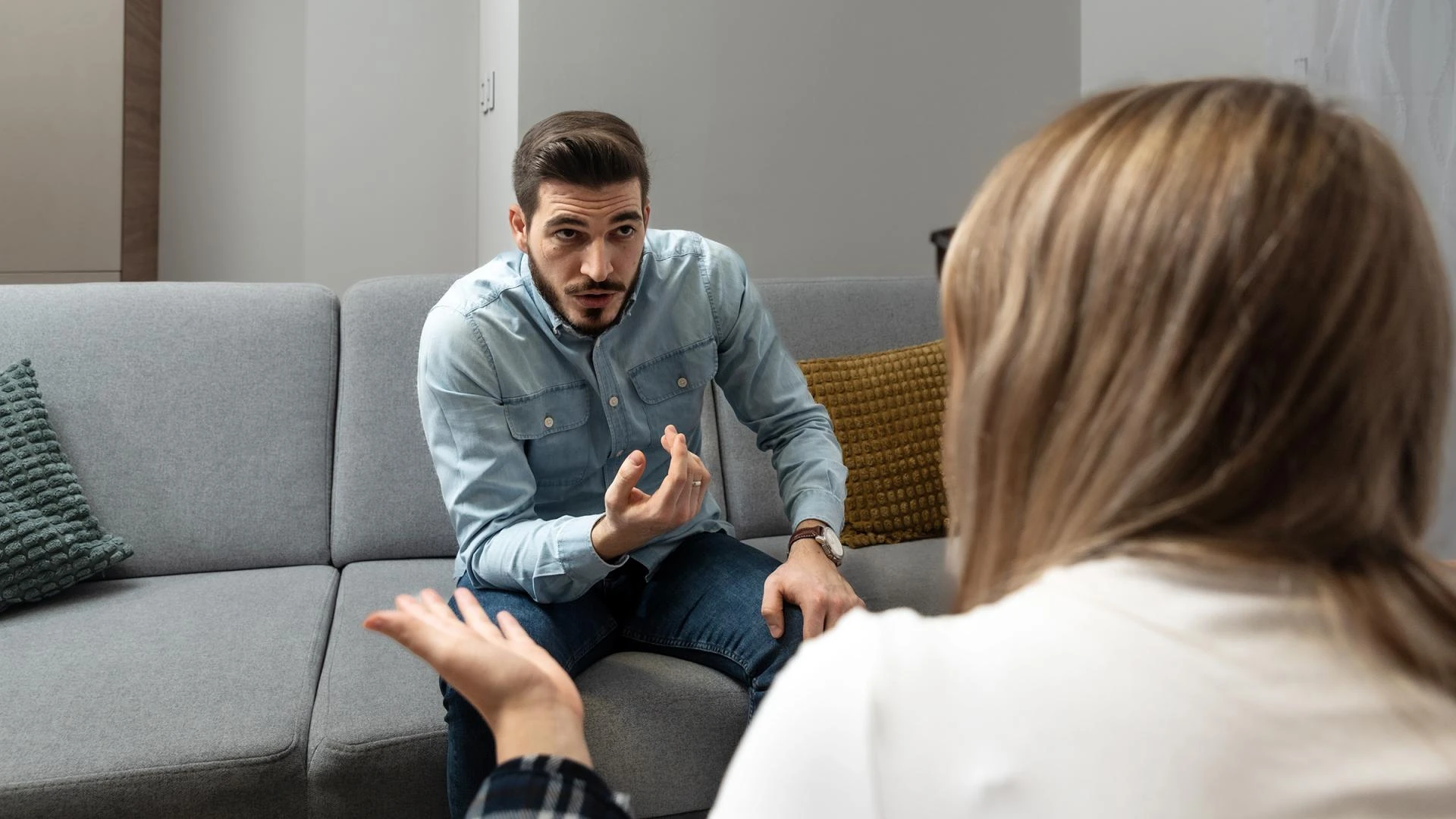
CBT is one of the most effective treatments for anxiety. It helps individuals identify negative thought patterns and replace them with healthier ones. Working with a licensed therapist can provide personalized tools to tackle specific anxiety triggers.
2. Journaling
Writing down your thoughts and feelings can be a great outlet for anxiety. Journaling helps you identify patterns and triggers, and it can also be a safe space to vent emotions without judgment.
3. Breathing Techniques
Deep, controlled breathing can instantly reduce anxiety. Techniques like box breathing (inhaling for 4 seconds, holding for 4, exhaling for 4, and holding for 4) or diaphragmatic breathing can be practiced anywhere.
When to Consider Anxiety Medication
For some people, lifestyle changes and therapy may not be enough. In such cases, anxiety medication can be an effective part of a comprehensive treatment plan. If your anxiety is severe or persistent, consult a healthcare professional about your options.
Types of Anxiety Medication
There are several classes of medication commonly prescribed for anxiety:
- Selective Serotonin Reuptake Inhibitors (SSRIs): Often considered the best anxiety medication for long-term treatment. Examples include sertraline (Zoloft) and fluoxetine (Prozac).
- Serotonin-Norepinephrine Reuptake Inhibitors (SNRIs): Another class of antidepressants effective for anxiety, such as venlafaxine (Effexor).
- Benzodiazepines: Fast-acting medications like alprazolam (Xanax) used for short-term relief. Due to the risk of dependency, these are usually not recommended for long-term use.
- Buspirone: A non-sedative option that is specifically approved for anxiety.
Consult a psychiatrist or a general physician to find the best anxiety medication tailored to your needs. Medication is often most effective when combined with therapy and healthy lifestyle choices.
Natural and Alternative Remedies
Some individuals prefer a more holistic approach to managing anxiety. While these should not replace professional treatment for severe anxiety, they can complement your overall strategy.
Herbal Supplements
- Ashwagandha: An adaptogen that helps the body cope with stress.
- Valerian Root: Often used to promote sleep and relaxation.
- Lavender Oil: Can be taken orally or used in aromatherapy to reduce anxiety.
Always consult a healthcare provider before starting any new supplement, especially if you're already taking anxiety medication.
Diet and Nutrition
What you eat impacts how you feel. A balanced diet rich in omega-3 fatty acids, magnesium, and B vitamins can support brain health and reduce anxiety. Avoid highly processed foods and sugar spikes.
Building Resilience Against Anxiety
Managing anxiety is not just about reducing symptoms but also building emotional resilience.
1. Set Realistic Goals
Break tasks into manageable steps. Celebrate small achievements, and don't be too hard on yourself if things don't go perfectly.
2. Develop Problem-Solving Skills
Learn to approach challenges methodically. Practice brainstorming solutions and evaluating the pros and cons of each.
3. Embrace Uncertainty
A significant component of anxiety is fear of the unknown. Practice accepting that uncertainty is a part of life. Mindfulness can help with this mindset shift.
Conclusion: Taking Control of Your Mental Health
Anxiety doesn't have to control your life. With the right combination of daily habits, therapeutic techniques, and, when necessary, anxiety medication, you can manage anxiety effectively. Start small, be patient with yourself, and seek support when needed. Whether you're looking for the best anxiety medication or holistic lifestyle changes, the key is finding what works for you and sticking with it.
By incorporating these practices and understanding the resources available, you can lead a calmer, more centered life even amidst everyday stress.




























Sign in to leave a comment.