

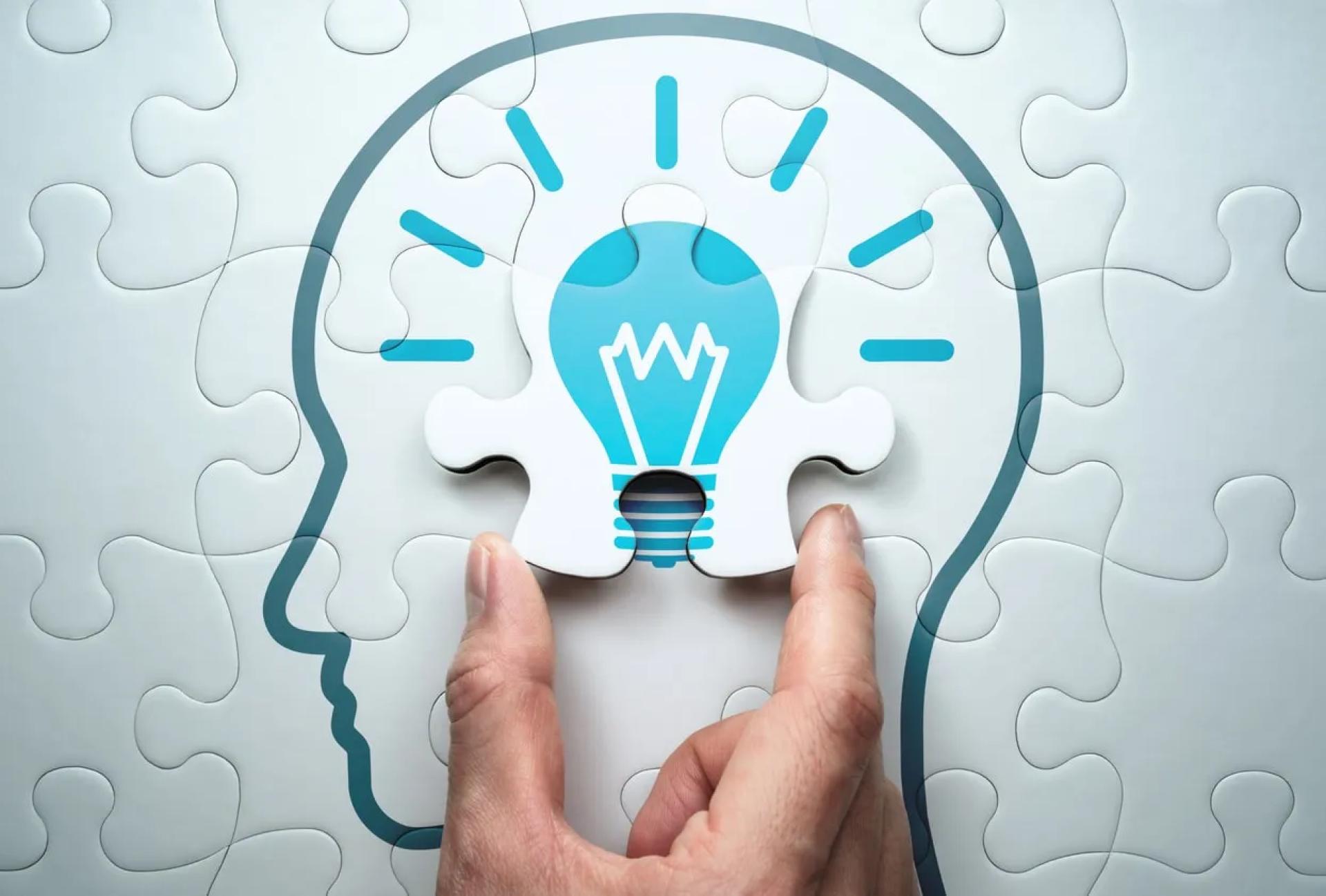
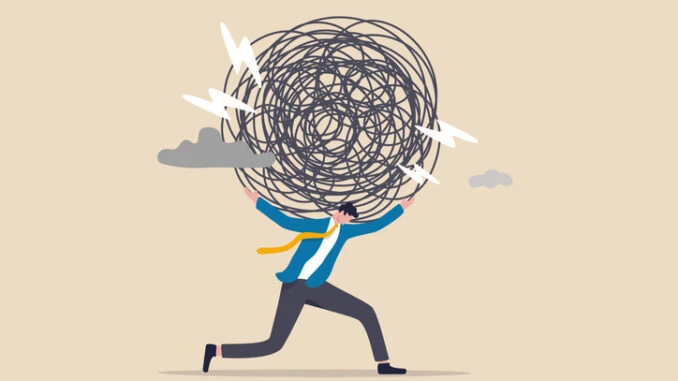
Anxiety is an emotion that everyone experiences at some point. Whether it's the jitters before a big presentation, concern over financial matters, or uncertainty about the future, anxiety plays a complex role in our lives. While often perceived as a weakness or a mental health issue to be "fixed," what if we reframe anxiety as a sign of untapped inner strength? This shift in perspective doesn't erase the real challenges anxiety brings, but it opens a door to transformation. Welcome to the Calm Shift.
Understanding Anxiety: A Natural Response
Anxiety is a natural response to perceived threats or danger. It activates the body's fight-or-flight response, preparing us to react quickly. Historically, this was essential for survival. Today, however, the threats are more psychological than physical. Deadlines, social expectations, and health concerns can all trigger anxious responses.
Types of Anxiety Disorders
Understanding that anxiety exists on a spectrum helps us better navigate its many forms. Some of the common anxiety disorders include:
- Generalized Anxiety Disorder (GAD)
- Panic Disorder
- Social Anxiety Disorder
- Obsessive-Compulsive Disorder (OCD)
- Post-Traumatic Stress Disorder (PTSD)
Recognizing the type of anxiety one is dealing with is the first step toward managing it effectively.
The Hidden Strength in Anxiety
At its core, anxiety is a form of heightened awareness. People who experience anxiety are often highly perceptive, deeply empathetic, and capable of identifying potential problems before they arise. This level of emotional sensitivity can be channeled into personal growth, creativity, and leadership when properly managed.
The Empath Advantage
Many individuals with anxiety report feeling emotions more intensely and being highly attuned to the feelings of others. While this can be overwhelming, it's also a sign of strong emotional intelligence. With the right tools, this empathy can be used to build stronger relationships and foster a deeper sense of connection.
Motivation and Planning
Anxiety can act as a motivator. The fear of failure or disappointment often pushes anxious individuals to prepare more thoroughly, think ahead, and work harder. This proactive behavior can be a tremendous asset in both personal and professional arenas.
Practical Strategies for Transforming Anxiety
Turning anxiety into inner strength involves more than just positive thinking. It requires actionable strategies, consistent practice, and sometimes professional support. Here are several effective techniques:
1. Mindfulness and Meditation
Mindfulness teaches you to observe your thoughts without judgment. Regular meditation can reduce symptoms of anxiety by training your brain to stay in the present moment, rather than projecting into a stressful future.
Getting Started:
- Set aside 5-10 minutes a day
- Focus on your breath or use a guided meditation app
- Practice consistently
2. Cognitive Behavioral Therapy (CBT)
CBT is one of the most researched and effective forms of therapy for anxiety. It involves identifying negative thought patterns and learning to replace them with healthier ones.
3. Exercise and Physical Activity
Physical activity releases endorphins, natural mood boosters that can reduce stress. Regular exercise also improves sleep and boosts self-esteem.
4. Journaling and Self-Reflection
Writing about your thoughts and feelings can help clarify what you're experiencing and reveal patterns over time. This is a powerful way to process anxiety and identify potential triggers.
5. Seeking Professional Help and Anxiety Medication
For many, therapy alone may not be sufficient. In such cases, medication can provide essential support. If you're considering this route, it's crucial to consult a licensed healthcare provider.
Thanks to advancements in telemedicine, it's now easier than ever to access anxiety meds online. Online platforms can connect individuals with licensed doctors and therapists, making it more convenient to receive a prescription and ongoing support. However, always ensure you're using a reputable source.
When to Consider Anxiety Medication
Medication can be a crucial part of an anxiety treatment plan, especially when symptoms interfere with daily functioning. Common types of anxiety medication include:
- Selective Serotonin Reuptake Inhibitors (SSRIs)
- Serotonin-Norepinephrine Reuptake Inhibitors (SNRIs)
- Benzodiazepines (typically for short-term use)
- Beta-blockers (helpful for performance anxiety)
While medication isn't a cure-all, it can provide the chemical balance needed to make other strategies more effective.
Building Inner Strength Through Routine
Creating daily habits that reinforce mental clarity and emotional resilience is essential. Here are some suggestions:
- Morning Routine: Include gratitude journaling, stretching, or a calming tea ritual
- Sleep Hygiene: Go to bed at the same time each night, limit screen time before sleep
- Digital Detox: Schedule regular breaks from social media and news consumption
- Goal Setting: Use SMART goals to break large tasks into manageable steps
The Role of Community and Support Systems
Isolation can amplify anxiety. Building a strong support system of friends, family, or support groups can make a significant difference. Talking openly about your experiences often lessens the burden and allows others to offer help or share coping strategies.
Online communities, forums, and even social media groups focused on mental health can offer solidarity and advice. However, discernment is key—ensure any advice taken from such groups is safe and evidence-based.
The Calm Shift: Rewriting Your Narrative
Changing the way you view anxiety is transformative. Instead of seeing it as a flaw, recognize it as a signal—your body and mind are trying to communicate something important. By listening closely and taking action, you can convert anxiety into a powerful force for growth.
Here are a few affirmations to support this mindset shift:
- "My anxiety is a sign of my deep awareness."
- "I am learning and growing through every challenge."
- "I am not alone in this journey."
- "Strength comes from facing discomfort with courage."
Final Thoughts: Embracing the Journey
The journey from anxiety to inner strength is deeply personal and non-linear. There will be setbacks and victories. What's important is your commitment to self-awareness, self-compassion, and consistent action.
Whether you're exploring mindfulness, considering anxiety meds online, or working with a therapist, every step forward counts. Embrace your sensitivity, honor your progress, and remember: anxiety doesn't have to hold you back. It can be the very force that propels you into a stronger, more empowered version of yourself.


























Sign in to leave a comment.