

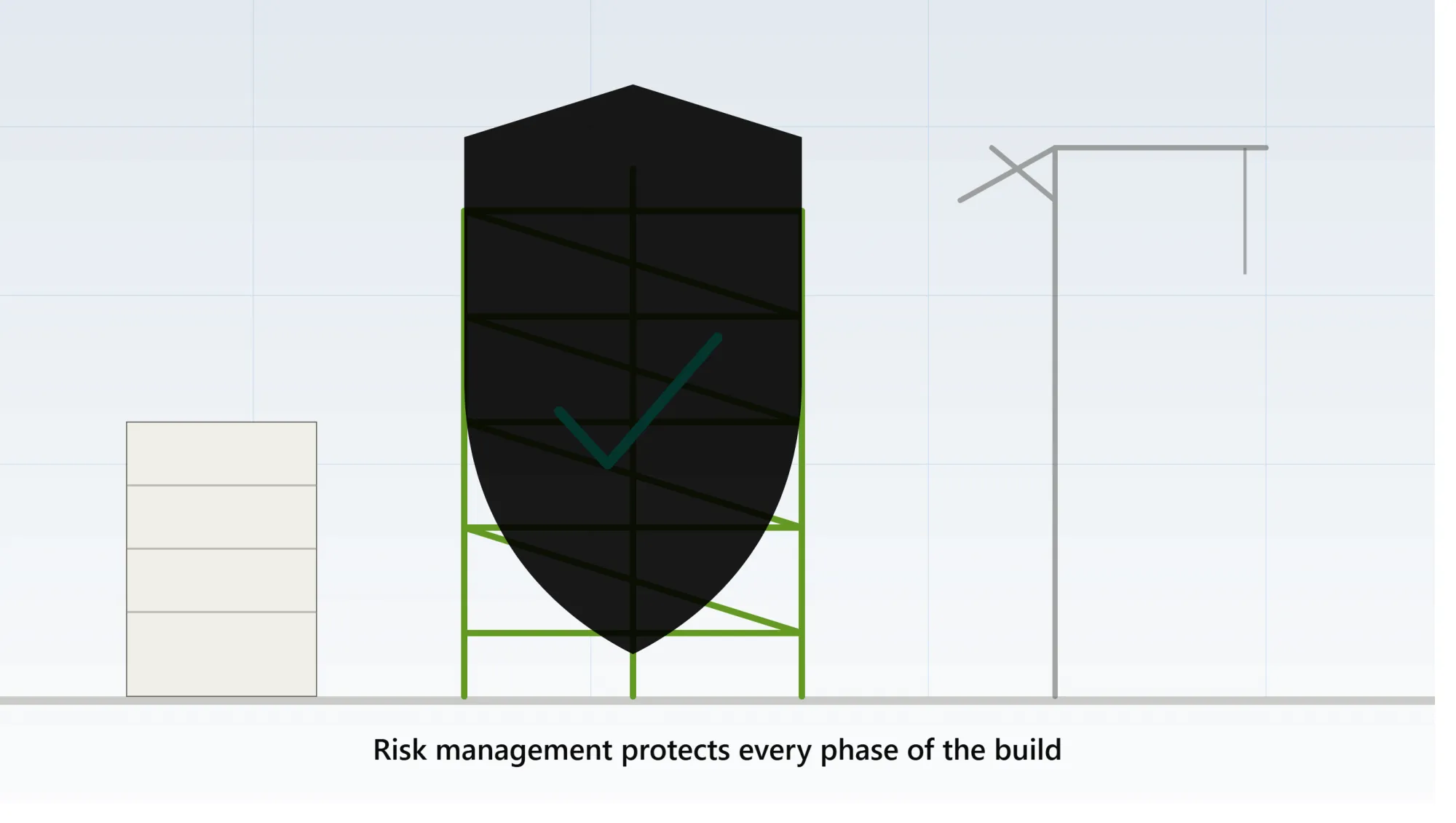
Construction projects involve many moving parts, from planning and design to contractor coordination, materials, budgets, and schedules. Even with careful planning, unexpected issues can affect a project's cost, timeline, quality, or overall outcome.
This is why construction risk management is an important part of successful project planning. Identifying potential risks early allows project owners, developers, contractors, and project teams to prepare for challenges and take action before small issues become larger problems.
What Is Construction Risk Management?
Construction risk management is the process of identifying, assessing, monitoring, and managing risks that may affect a construction project.
Risks can occur at any stage of a project. Some may be related to the construction site, while others can involve design changes, contractors, materials, contracts, costs, or project schedules.
A structured risk management process helps project teams understand potential problems and develop practical strategies to address them.
Why Is Risk Management Important in Construction?
Construction risks can have a direct impact on project performance. A delay in one area, for example, can affect several other activities and increase overall project costs.
Effective risk management can help project teams:
- Identify potential problems before construction begins
- Understand the potential impact of project risks
- Reduce unexpected costs
- Minimize schedule delays
- Improve communication between project stakeholders
- Support better decision-making
- Maintain quality and project requirements
- Prepare contingency plans for unexpected situations
The goal is not to eliminate every risk. Instead, the focus is on understanding risks and managing them in a practical and organized way.
10 Common Construction Risks
1. Cost Overruns
Cost overruns are one of the common concerns in construction projects. Changes in scope, inaccurate estimates, unexpected site conditions, material price increases, and unforeseen work can increase project costs.
A detailed budget review during preconstruction can help identify potential cost concerns. Regular cost monitoring throughout the project can also help owners understand where spending is changing and why.
2. Construction Delays
Construction schedules can be affected by weather, permitting issues, design changes, labor shortages, material delays, or contractor performance.
Developing a realistic project schedule and regularly reviewing progress can help identify schedule risks early. When delays are identified, the project team can evaluate their impact and determine appropriate corrective actions.
3. Design Changes
Changes to architectural or engineering plans during construction can affect cost, schedule, materials, and contractor coordination.
Before construction starts, project teams should review available drawings and specifications carefully. Clear communication between owners, architects, engineers, and contractors can also reduce unnecessary changes during construction.
4. Contractor Performance
Contractor selection can have a significant impact on project performance. Issues involving experience, staffing, financial capacity, scheduling, or communication may create additional project risks.
Owners can reduce these risks by reviewing contractor qualifications, previous project experience, references, proposed schedules, and other relevant information before awarding work.
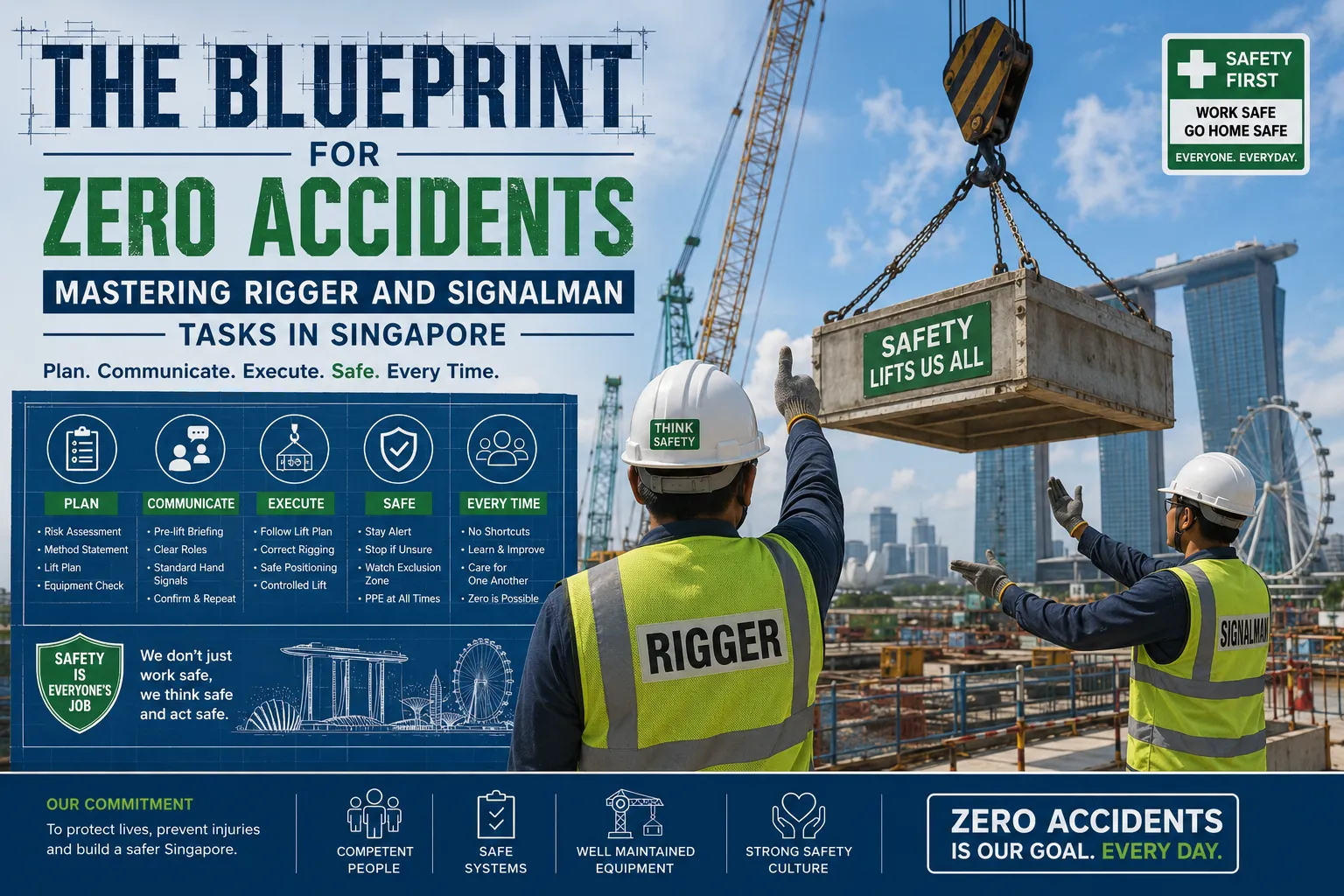
5. Safety Risks
Construction sites involve various safety risks, including equipment-related incidents, falls, site access issues, and unsafe working conditions.
Safety planning should be considered throughout the project rather than only after construction begins. Regular site observations, communication, training, and compliance with applicable safety requirements can help reduce potential hazards.
6. Material and Supply Chain Issues
Material shortages, supplier problems, shipping delays, and price changes can affect construction schedules and budgets.
Project teams can monitor long-lead materials and identify critical procurement items early. Having alternative suppliers or procurement strategies for important materials may also help reduce potential delays.
7. Quality Control Problems
Poor workmanship, incorrect installation, or materials that do not meet project requirements can result in rework, additional costs, and schedule impacts.
Quality control should be incorporated into project planning from the beginning. Regular inspections, documentation, testing where required, and communication with contractors can help identify quality concerns before they become more difficult to correct.
8. Contract and Legal Risks
Construction projects involve contracts between owners, contractors, consultants, suppliers, and other parties. Unclear responsibilities, incomplete documentation, change orders, payment disputes, and contract interpretation issues can create additional risks.
Project teams should review contracts carefully and make sure roles, responsibilities, deliverables, payment terms, and change procedures are clearly documented.
9. Site and Environmental Risks
Existing site conditions may not always match initial expectations. Soil conditions, drainage issues, existing building conditions, utilities, environmental concerns, or other site conditions can affect construction.
Conducting appropriate due diligence before construction can help project teams understand existing conditions and identify potential issues earlier.
10. Communication and Coordination Issues
Construction projects involve multiple stakeholders. Poor communication can result in misunderstandings, missed information, duplicated work, or delays in decision-making.
Regular project meetings, clear reporting, documented decisions, and defined communication responsibilities can help keep stakeholders aligned throughout the project.
How to Manage Construction Project Risks
A practical construction risk management process can include several steps.
Identify the Risks
Start by identifying potential risks during planning and continue reviewing them throughout the project. Consider financial, technical, schedule, contractual, safety, quality, and site-related risks.
Assess the Potential Impact
Not every risk has the same level of importance. Assess each risk based on factors such as likelihood and potential impact on cost, schedule, quality, or project objectives.
Develop Mitigation Strategies
Once risks have been identified, determine what actions can reduce their likelihood or impact. Depending on the situation, this may include additional planning, contract requirements, alternative procurement options, contingency planning, or closer project monitoring.
Monitor Risks Throughout the Project
Risk management should continue after construction begins. Project conditions can change, and new risks may appear. Regular reviews help project teams update their priorities and respond to changing circumstances.
Document Findings
Keeping a record of identified risks, mitigation actions, decisions, and project changes creates a useful reference for the project team. Documentation can also improve communication between stakeholders.
The Role of Construction Risk Management Services
For complex projects, owners and developers may work with a construction management professional to provide additional oversight and risk assessment.
Professional construction risk management services can help identify potential project risks, review project information, monitor construction activities, and provide owners with clearer information for decision-making.
The level of support needed depends on the project's size, complexity, development stage, and specific risk factors.
Final Thoughts
Construction risks cannot always be avoided, but they can be identified and managed through proper planning and ongoing monitoring.
From cost and schedule risks to contractor performance, quality, contracts, and site conditions, each area deserves attention throughout the project lifecycle. A structured approach to construction risk management helps project stakeholders understand potential challenges and take practical steps to address them.
By identifying risks early, documenting important decisions, and maintaining communication among project stakeholders, owners and project teams can create a more organized approach to managing construction projects.






















Sign in to leave a comment.