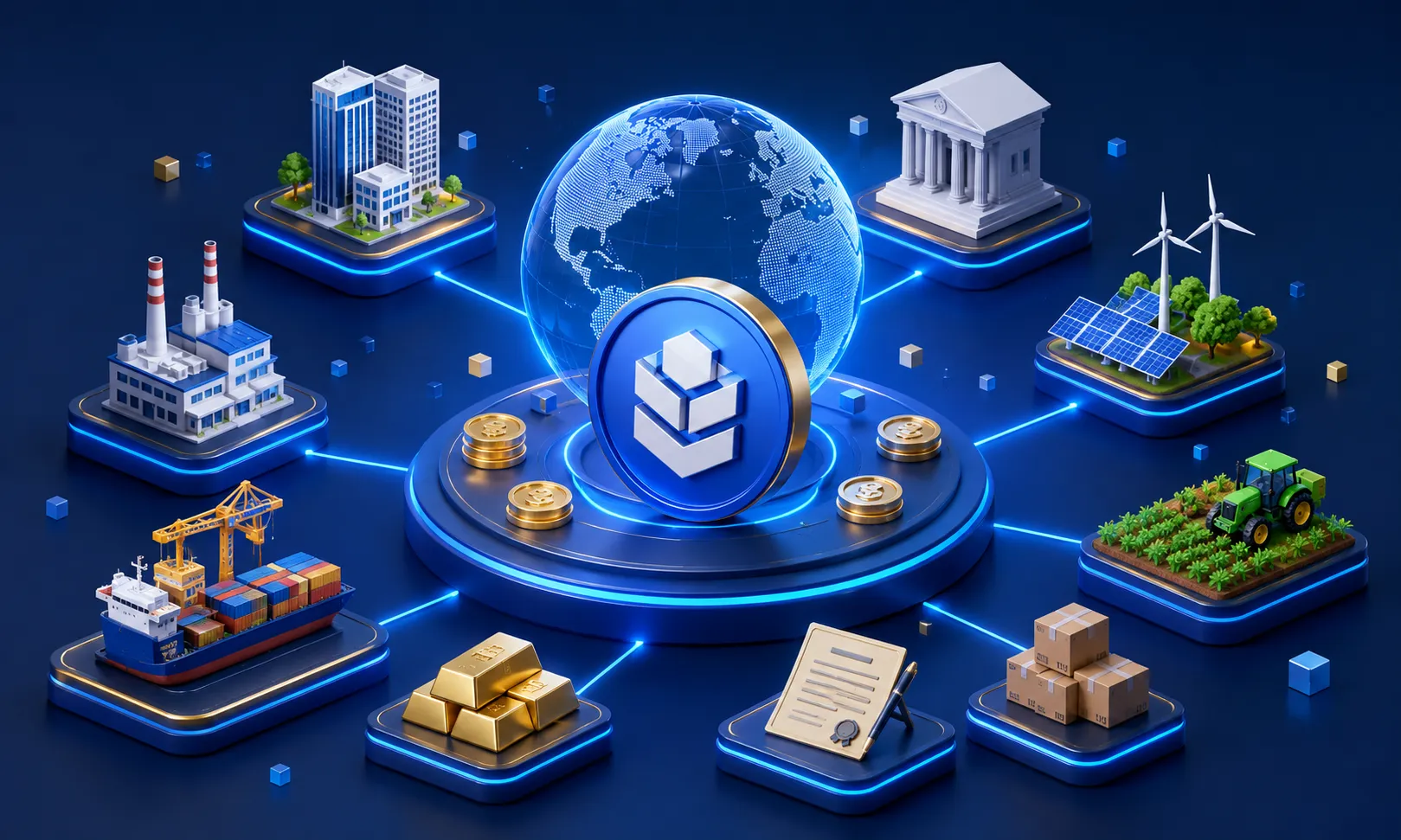

Financial markets have experienced significant changes over the last decade. Digital payments, blockchain networks, decentralized finance, and digital assets have altered how value moves across borders. Among these developments, Real World Asset Tokenization has attracted considerable attention from financial institutions, investment firms, governments, and technology providers.
Traditional assets such as real estate, commodities, bonds, private equity, infrastructure projects, and intellectual property have historically faced barriers related to liquidity, accessibility, ownership transfer, and administrative costs. Tokenization introduces a digital representation of these assets on blockchain networks, creating new possibilities for ownership management and investment participation.
As financial organizations seek practical ways to modernize asset management, rwa tokenization platform development is becoming an area of serious investment. The growing interest is not limited to startups. Major banks, investment funds, regulators, and enterprises are evaluating tokenized asset ecosystems as part of their long-term financial strategies.
This article examines ten reasons why RWA Tokenization Platform Development is increasingly viewed as a global financial priority and why organizations are investing in RWA token development initiatives to prepare for the future of asset ownership.
1. Increased Liquidity for Traditionally Illiquid Assets
One of the most discussed benefits of RWA Tokenization is its ability to improve liquidity for assets that are traditionally difficult to buy and sell.
Assets such as commercial real estate, fine art, infrastructure projects, and private equity often require significant capital commitments and lengthy transaction processes. These factors restrict participation and limit market activity.
Through tokenization, ownership can be divided into smaller digital units that represent fractional interests in the asset. Investors can buy or sell portions of ownership rather than acquiring the entire asset.
This approach may lead to:
- Faster transactions
- Broader investor participation
- Reduced holding barriers
- More active secondary markets
As institutions seek methods to increase capital efficiency, Real World Asset Tokenization Services are becoming part of strategic financial planning.
2. Fractional Ownership Expands Market Participation
Many valuable assets remain inaccessible to average investors because of high entry costs.
For example, acquiring a share of premium commercial property or infrastructure projects often requires substantial investment capital. Tokenization introduces fractional ownership models that lower participation thresholds.
Through rwa tokenization platform development, investors may gain exposure to:
- Real estate portfolios
- Renewable energy projects
- Precious metals
- Private credit instruments
- Collectible assets
This broader participation creates opportunities for asset owners seeking capital while offering investors access to markets that were previously unavailable.
Financial institutions increasingly recognize that democratized investment structures may attract a larger and more diverse investor base.
3. Cross-Border Investment Becomes More Practical
International investment frequently involves complex procedures, intermediaries, documentation requirements, and settlement delays.
Tokenized assets can simplify ownership transfer and transaction processing across multiple jurisdictions. While regulatory compliance remains an important consideration, blockchain-based systems may reduce operational friction associated with traditional asset transfers.
Benefits include:
- Faster settlement cycles
- Digital ownership records
- Simplified transfer mechanisms
- Reduced dependence on multiple intermediaries
As global investment activity continues to grow, RWA Tokenization Services are being considered by organizations seeking more efficient ways to facilitate international asset participation.
4. Financial Institutions Are Entering the Tokenization Market
The involvement of major financial institutions has increased confidence in tokenized asset markets.
Banks, investment firms, asset managers, and exchanges are actively studying tokenization frameworks and conducting pilot programs involving bonds, real estate, funds, and alternative investments.
Several factors contribute to this trend:
Institutional Interest Drivers
- Operational cost reduction
- Digital asset diversification
- Improved asset accessibility
- Modernized settlement systems
- Enhanced asset management processes
The participation of established financial entities indicates that RWA Tokenization is moving beyond experimental stages and becoming part of broader financial market discussions.
As demand increases, organizations are seeking support from an experienced RWA Tokenization Company to develop compliant and efficient platforms.
5. Enhanced Asset Transparency and Record Keeping
Asset ownership records often pass through multiple parties, creating administrative complexity and reconciliation challenges.
Blockchain-based tokenization platforms maintain immutable transaction histories that can provide a consistent ownership trail.
This creates advantages such as:
- Permanent ownership records
- Improved auditability
- Reduced record duplication
- Better asset tracking
For investors and asset managers, accurate ownership records contribute to greater confidence in asset administration.
As a result, Real World Asset Tokenization is being considered for various sectors that rely heavily on ownership verification and asset lifecycle management.
6. Alternative Financing Opportunities for Businesses
Businesses frequently seek new methods of raising capital without relying exclusively on traditional financing channels.
Tokenized assets offer an alternative mechanism for fundraising by converting real-world assets into tradable digital representations.
Examples include:
Assets Commonly Considered for Tokenization
- Commercial real estate
- Industrial facilities
- Energy infrastructure
- Revenue-generating assets
- Intellectual property portfolios
Organizations can potentially access broader investor communities while maintaining ownership structures aligned with business objectives.
This growing interest has increased demand for RWA tokenization development services among enterprises seeking capital formation alternatives.
7. Improved Operational Efficiency
Traditional asset transactions often involve multiple intermediaries, extensive paperwork, and prolonged settlement periods.
Tokenization platforms can reduce administrative complexity by digitizing ownership records and transaction workflows.
Areas where efficiency gains may occur include:
- Asset issuance
- Ownership transfers
- Investor onboarding
- Dividend distribution
- Compliance reporting
Financial organizations continue to evaluate how digital asset infrastructures can reduce operational burdens while improving transaction management.
This trend contributes significantly to the growing market for rwa tokenization platform development solutions.
8. Growing Regulatory Attention and Framework Development
Regulatory uncertainty was once viewed as a major obstacle to tokenized asset adoption. However, many jurisdictions are now actively developing frameworks for digital asset activities.
Governments and regulatory agencies are increasingly studying:
- Digital securities
- Asset-backed tokens
- Investor protection measures
- Compliance requirements
- Custody standards
Although regulations differ across regions, the overall movement toward formal guidance has encouraged more institutions to consider tokenization initiatives.
A reputable RWA tokenization development company often works closely with legal and compliance experts to align platform functionality with applicable regulatory requirements.
The emergence of regulatory frameworks is one reason tokenization is gaining recognition within mainstream finance.
9. New Investment Products and Revenue Models
Financial innovation frequently emerges when new technologies create opportunities for asset structuring.
Tokenization allows organizations to create investment products that were previously difficult to administer or distribute.
Examples include:
Emerging Tokenized Asset Categories
- Fractional real estate funds
- Tokenized bond offerings
- Revenue-sharing assets
- Infrastructure investment pools
- Commodity-backed tokens
These investment models may attract new investor segments while offering businesses additional revenue opportunities.
Consequently, Real World Asset Tokenization Services are becoming increasingly relevant to organizations seeking innovative financial products.
10. Preparation for the Future Digital Asset Economy
Many industry observers believe tokenized assets will become an important component of future financial ecosystems.
The convergence of blockchain technology, digital identity systems, smart contracts, and regulated digital asset markets is creating an environment where tokenized ownership structures may become more common.
Organizations investing in RWA Tokenizaion development today are positioning themselves for potential long-term participation in this evolving financial landscape.
Future developments may include:
- Tokenized government securities
- Digital real estate exchanges
- Institutional tokenized funds
- Asset-backed digital lending markets
- Global tokenized investment networks
Businesses that begin evaluating tokenization strategies today may be better prepared for future market developments.
Important Considerations Before Launching a Tokenization Platform
While the opportunities are significant, organizations should carefully evaluate several factors before beginning a tokenization initiative.
Strategic Planning Areas
Regulatory Compliance
Every jurisdiction has unique legal requirements. Compliance planning should begin before platform development.
Asset Selection
Not all assets are suitable candidates for tokenization. Organizations should assess market demand, valuation models, and ownership structures.
Technology Infrastructure
Platform architecture, blockchain selection, security standards, and interoperability requirements should be reviewed carefully.
Investor Experience
User onboarding, transaction management, reporting, and asset visibility contribute significantly to platform adoption.
Security Measures
Digital asset platforms require comprehensive security practices to protect investor assets and ownership records.
Organizations frequently engage a specialized RWA Tokenization Company to address these considerations throughout the development process.
The Expanding Role of RWA Token Development
RWA token development has become an important component of digital asset ecosystems because tokens serve as the digital representation of ownership rights, asset interests, or investment participation.
Successful tokenization initiatives typically require:
- Asset evaluation
- Legal structuring
- Token design
- Smart contract implementation
- Platform integration
- Investor management tools
As adoption grows, demand for professional RWA tokenization development services is expected to increase across industries including real estate, finance, commodities, infrastructure, and private markets.
The growing interest in Real World Asset Tokenization Services reflects broader efforts by businesses and institutions to modernize asset management practices while expanding access to investment opportunities.
Conclusion
The growing focus on tokenized assets is not simply a technology trend. It reflects broader changes occurring within global finance as institutions seek more efficient ways to manage ownership, investment access, liquidity, and capital formation. Increased participation from banks, investment firms, regulators, and enterprises demonstrates that RWA Tokenization is becoming a significant topic within financial markets. From fractional ownership and cross-border investment opportunities to operational efficiency and new financial products, the advantages associated with Real World Asset Tokenization continue to attract attention worldwide. As adoption expands, organizations are increasingly seeking experienced partners for rwa tokenization platform development, RWA token development, and Real World Asset Tokenization Services. Blockchain App Factory provides rwa tokenization platform development solutions that help businesses create secure and compliant tokenization ecosystems for a wide range of real-world assets.



























Sign in to leave a comment.