

RWA token development has become an important consideration for businesses looking at blockchain-based investment models. Real-world assets such as real estate, private credit, commodities, art, infrastructure, and funds can be represented digitally through blockchain networks. This gives businesses another way to structure ownership, investment participation, and asset management.
However, starting an RWA project is not simply a matter of issuing tokens. Businesses need to decide which asset to tokenize, who the intended investors are, which legal structure applies, how ownership will be represented, and what technology the platform requires. A practical investment strategy begins with these business questions before moving into blockchain development.
RWA Tokenization can support different business models, including fractional ownership, investment funds, private market assets, debt instruments, and revenue-generating properties. The investment required for each model can differ considerably. Companies should therefore assess the asset, target market, regulations, technology requirements, and expected returns before committing substantial resources to development.
Start With the Asset, Not the Technology
The first step in an RWA investment strategy is selecting an asset with a practical reason for tokenization. Businesses may consider commercial property, residential property, private equity, commodities, invoices, bonds, intellectual property, or other assets with measurable value.
An asset should have a reliable valuation process and a defined ownership structure. Businesses also need to determine whether investors will receive ownership rights, revenue participation, repayment rights, or another financial interest. These details influence the token model and the platform's overall design.
For example, a commercial property may generate rental income that can be distributed among token holders. A private credit product may instead provide scheduled repayments and interest. The business model therefore needs to be established before deciding how the token should function.
Assess the Investment Opportunity
Once an asset has been selected, businesses should calculate whether tokenization makes financial sense. This involves estimating development costs, legal expenses, compliance requirements, custody costs, asset administration expenses, marketing costs, and ongoing platform operations.
The business should also estimate the potential investor base. Tokenizing an asset without sufficient market demand can create unnecessary expenses. A useful assessment considers whether investors are interested in the asset category, what minimum investment amount could attract participants, and whether the expected returns justify participation.
A financial model can compare the traditional investment route with a tokenized structure. This comparison may reveal where blockchain adds commercial value and where conventional processes may still be more suitable.
Decide Who the Platform Will Serve
An RWA project can target retail investors, accredited investors, institutions, family offices, asset managers, or a combination of these groups. Each audience can have different requirements related to onboarding, investment limits, reporting, custody, and compliance.
For instance, a platform targeting institutional investors may require detailed reporting, permissioned access, transaction records, and integration with existing financial systems. A platform intended for smaller investors may place greater attention on account creation, portfolio visibility, payment methods, and investor education.
This decision should be made early because it influences the technology architecture, compliance framework, user interface, and marketing strategy.
Build a Regulatory and Legal Framework
Real World Asset Tokenization involves assets that already exist within legal and financial systems. Therefore, businesses need to examine the regulations that apply to both the underlying asset and the token.
Depending on the jurisdiction and asset type, the token may fall under securities, investment, property, debt, or other financial regulations. Businesses may need processes for investor verification, anti-money laundering checks, transfer restrictions, disclosures, tax reporting, and ownership records.
Legal professionals with experience in digital assets and financial products should review the proposed structure before development begins. This can reduce the risk of creating a platform that later requires major changes because of regulatory requirements.
Select the Right Token Model
Token design should match the economic rights associated with the asset. A token may represent fractional ownership, a claim on revenue, debt participation, fund units, or another contractual interest.
Businesses should define how many tokens will be issued, the price per token, whether tokens can be transferred, whether there is a secondary market, and how distributions will reach investors.
For example, a property valued at $10 million could be divided into 100,000 digital units. Investors could purchase units representing a portion of the investment structure. The actual legal ownership arrangement, however, needs to support the rights represented by those units.
A well-planned token model helps investors understand what they are purchasing and how the asset generates returns.
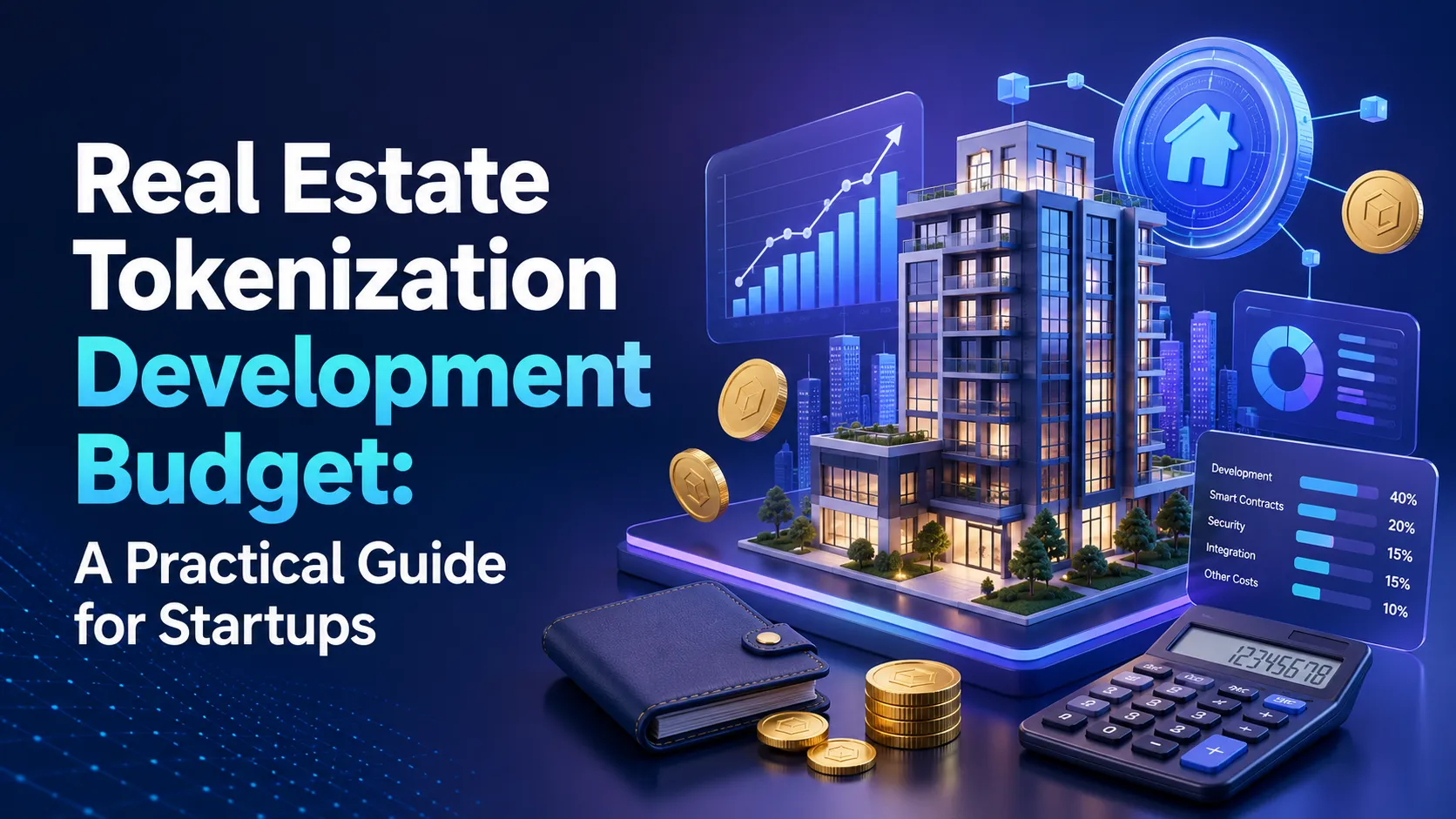
Plan the RWA Token Development Budget
Budget planning should cover more than smart contract development. An RWA project can involve legal consultation, asset verification, token design, smart contracts, investor onboarding, compliance systems, wallet integration, payment processing, custody, administration, security testing, and ongoing maintenance.
The development cost also depends on whether the business wants a basic issuance system or a complete investment platform. A simple token issuance application may require fewer resources than a platform with investor dashboards, compliance workflows, asset management tools, marketplace functionality, reporting, and secondary trading.
Businesses can divide spending into phases instead of committing the entire budget at once. Initial research and legal structuring can come first, followed by a limited product release and broader platform development after market feedback.
Choose Between Internal Development and a Development Partner
Businesses with an experienced blockchain engineering team may choose internal development. Others may work with an RWA tokenization development company that has experience with token standards, smart contracts, compliance workflows, investor platforms, and asset management systems.
When evaluating an RWA Tokenization Company, businesses should examine previous project experience, technology capabilities, security practices, supported blockchain networks, integration options, and post-launch support.
An external development partner can also provide RWA tokenization development services covering token creation, smart contracts, investor dashboards, asset management, compliance modules, and marketplace functionality. The selection should be based on technical capability and experience with the specific asset class rather than general blockchain expertise alone.
Plan the RWA Tokenization Platform Development Architecture
The platform should be planned around the complete investment process. Investors may need to register, complete verification, review asset information, purchase tokens, monitor holdings, receive distributions, and access transaction records.
Administrators may need tools for asset onboarding, token issuance, investor verification, transaction monitoring, distribution management, reporting, and user administration.
The technical architecture can include smart contracts, blockchain infrastructure, databases, APIs, identity verification systems, payment gateways, wallets, custody services, and administrative dashboards. Businesses should decide which components require blockchain records and which information should remain within conventional databases.
The goal is to create a practical division between blockchain functions and traditional software functions rather than placing every operation on-chain.
Prioritize Compliance and Investor Verification
Investor verification is an important part of many RWA platforms. Businesses may need KYC and AML processes before investors can participate in token offerings.
The platform can collect identity information, verify documents, assess investor eligibility, and apply transaction restrictions according to the project's legal framework. Smart contracts can also incorporate rules governing who may hold or transfer specific tokens.
Compliance requirements vary by jurisdiction, so businesses should avoid treating compliance as a software feature alone. The legal framework and technology implementation need to work together.
Think About Secondary Market Access
One reason businesses consider tokenization is the possibility of creating more flexible asset transfer mechanisms. However, secondary trading is not automatically available simply because an asset has been tokenized.
Businesses need to determine whether token transfers are legally permitted, who can trade the tokens, which marketplace structure applies, and what restrictions must be implemented.
A secondary market may be operated through an internal marketplace or through integration with an external trading venue, depending on the project's regulatory structure. Transfer rules can also be incorporated into smart contracts where appropriate.
Start With a Limited Asset Offering
Launching with a single asset or a small portfolio can help businesses test the investment model before making larger commitments. A pilot can provide information about investor demand, onboarding rates, transaction activity, operational costs, and user behavior.
For example, a property company could begin with one commercial property rather than tokenizing its entire portfolio. After assessing investor response and operational performance, the company can decide whether to introduce additional properties.
This approach also gives the development team an opportunity to identify technical and compliance issues before the platform handles a larger number of assets and investors.
Measure Business Performance After Launch
RWA token development should have measurable business objectives. Businesses can track metrics such as total funds raised, number of verified investors, token sales, investor retention, transaction volume, distribution activity, platform costs, and asset performance.
These measurements can show whether the tokenization model is producing the expected commercial results. If investor participation remains low, the company may need to reassess the asset, pricing, marketing strategy, or investment structure.
The platform itself should also be monitored for transaction errors, security events, failed payments, user drop-offs, and compliance issues. Regular reviews can help businesses make informed decisions about future development.
Where Businesses Should Invest First
Businesses entering the RWA market should generally prioritize asset selection, legal structuring, market research, and financial modeling before spending heavily on technology. Once the investment model is viable, the company can define the token structure and platform requirements.
The technology budget should then focus on components directly related to the investment process. These may include smart contracts, investor onboarding, compliance tools, token management, asset records, payment systems, reporting, and administrative controls.
Businesses should also reserve funds for security audits and post-launch maintenance. An RWA platform operates around financial assets, so security testing and operational support should be considered part of the initial investment plan rather than later additions.
How RWA Tokenization Services Fit Into the Strategy
RWA Tokenization Services can cover different stages of a project, from asset assessment and token design to platform development and deployment. Businesses can choose individual services or work with a provider that handles several stages under one development plan.
Real World Asset Tokenization Services may include asset tokenization architecture, smart contract development, compliance integration, investor dashboards, token issuance systems, wallet integration, and marketplace development.
Businesses should first identify which functions they need instead of purchasing a broad package without a defined business model. This helps keep the project focused on actual investment requirements.
What to Look for in an RWA Development Partner
A suitable RWA tokenization development company should understand both blockchain technology and the operational requirements of tokenized assets. Businesses should review its experience with smart contracts, token standards, investor management systems, compliance workflows, wallet integration, and financial platforms.
It is also useful to examine how the provider approaches testing, security audits, upgrades, documentation, and post-launch maintenance. The development partner should be able to explain how the proposed system will handle the selected asset class and investor journey.
For businesses considering rwa tokenization platform development, technical expertise alone is not enough. The provider should understand how the platform connects the underlying asset, legal structure, token, investor, and transaction process.
Conclusion
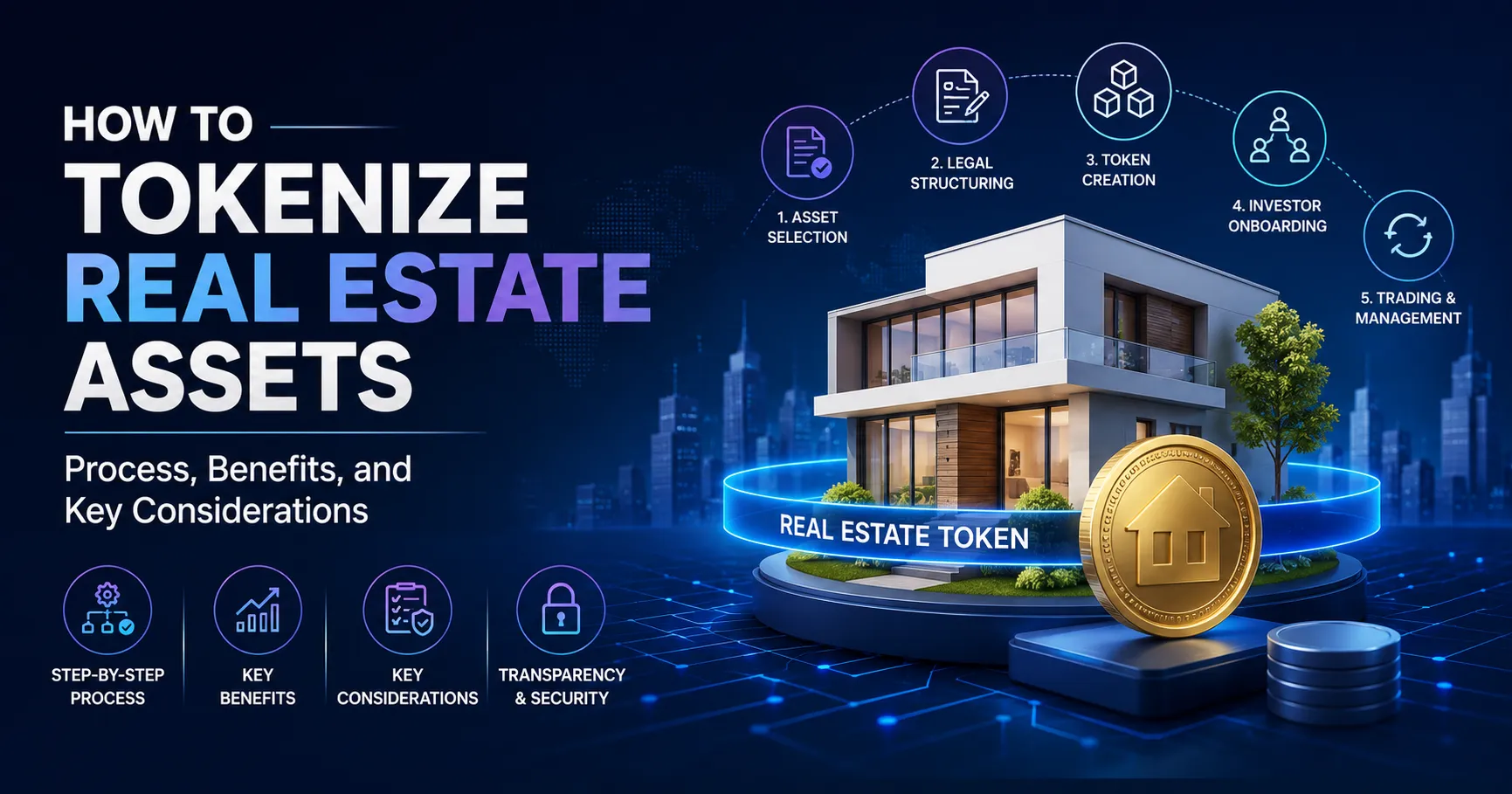
RWA Token Development requires a business-first investment strategy rather than starting with technology alone. Businesses should begin by selecting a suitable asset, studying investor demand, establishing the legal structure, defining token rights, preparing a financial model, and deciding which platform functions are actually required. A limited asset offering can provide useful market feedback before larger investments are made, while compliance, security, custody, investor verification, and secondary market rules should remain part of the planning process. Companies can work with an RWA Tokenization Company when they need technical expertise across token issuance, smart contracts, investor systems, and marketplace functions. For businesses evaluating RWA Tokenization development, the right approach is to connect financial objectives with practical technology requirements and measurable business outcomes. Blockchain App Factory provides RWA tokenization development services for businesses planning tokenized asset platforms and related blockchain solutions.
FAQs
1. What is RWA Token Development?
RWA Token Development is the process of creating blockchain-based tokens that represent rights or interests connected to real-world assets such as property, commodities, funds, debt, or other investment assets.
2. Where should a business start with RWA Tokenization?
A business should start by selecting the asset, assessing investor demand, reviewing applicable regulations, defining the investment structure, and estimating the financial and operational requirements.
3. How much does RWA Token Development cost?
The cost depends on the asset type, token model, blockchain network, compliance requirements, platform features, integrations, security testing, and development scope.
4. Why work with an RWA tokenization development company?
An RWA tokenization development company can provide technical services for token creation, smart contracts, investor management, compliance integration, wallets, marketplaces, and other platform components.
5. What assets can be tokenized?
Businesses can consider real estate, private credit, commodities, funds, bonds, infrastructure, art, invoices, and other assets where ownership or financial rights can be legally represented.
6. Is a secondary market necessary for an RWA platform?
Not always. A business can launch a tokenized asset platform without secondary trading. If secondary transfers are planned, the company must assess legal restrictions, investor eligibility, marketplace requirements, and token transfer rules.
7. What are RWA tokenization development services?
RWA tokenization development services can include token architecture, smart contract development, platform development, investor dashboards, compliance modules, wallet integration, asset management, and marketplace functions.
8. What is the role of compliance in Real World Asset Tokenization?
Compliance helps determine how assets can be issued, who can invest, how investors are verified, how tokens can be transferred, and what records or disclosures are required under applicable laws.


























Sign in to leave a comment.