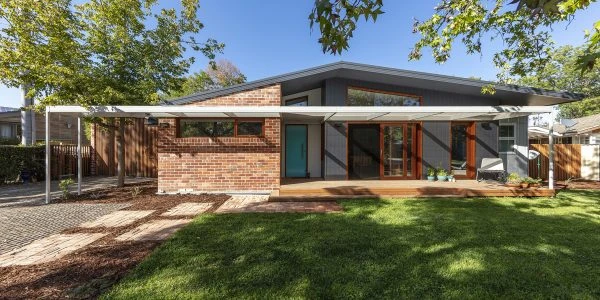

In a world that’s becoming increasingly conscious of sustainability, many homeowners are asking the same question — how can I make my existing home more environmentally friendly without completely starting over? The good news is that creating an eco friendly house doesn’t always require a major renovation. With a few practical changes, smart upgrades, and sustainable habits, you can significantly reduce your home’s carbon footprint while saving money on energy and resources.
Here are ten smart, realistic ways to make your current home more eco friendly — starting today.
1. Upgrade to Energy-Efficient Appliances
One of the easiest ways to make your home greener is by replacing outdated appliances with energy-efficient models. Old refrigerators, washing machines, and dishwashers can consume far more electricity and water than newer ones. Look for appliances with high Energy Star ratings — these are designed to use minimal energy while performing efficiently. Over time, this not only reduces your electricity bill but also lowers your home’s carbon emissions.
If replacing all your appliances at once isn’t possible, start with the ones that run most often — such as your refrigerator or washing machine. Every small upgrade brings your home one step closer to becoming an eco friendly house.
2. Improve Home Insulation and Sealing
A well-insulated home is a key factor in energy efficiency. Poor insulation causes heat loss in winter and lets hot air in during summer, forcing your HVAC system to work harder. Start by checking your attic, walls, windows, and doors for air leaks. Sealing gaps with weatherstripping or caulk can make a surprising difference.
Adding insulation to the attic or walls will also help maintain a stable indoor temperature, meaning your heater or air conditioner won’t have to run as often. Not only does this make your home more comfortable, but it also cuts down on wasted energy.
3. Install a Smart Thermostat
Smart thermostats are an excellent investment for homeowners aiming for energy efficiency. These devices learn your habits and automatically adjust the temperature based on your schedule. For instance, they can lower the heat when you’re away and warm the house before you return.
This simple change can reduce heating and cooling costs by up to 10–15%. It’s an effortless way to make your existing home operate like a modern eco friendly house without major renovations.
4. Switch to LED Lighting
Traditional incandescent bulbs waste a lot of electricity and generate unnecessary heat. By switching to LED bulbs, you can use up to 80% less energy and enjoy a much longer lifespan.
LEDs are available in various tones — from warm white to daylight — so you can maintain the same cozy ambiance without compromising efficiency. You can even install smart lighting systems to schedule lights to turn off automatically when not in use. It’s a simple step, but it makes a big difference.
5. Embrace Solar Energy
Installing solar panels is one of the most powerful ways to make your home truly eco friendly. While it may require an upfront investment, the long-term savings on electricity bills are substantial.
Even if a full solar system isn’t feasible right now, consider starting small — such as installing a solar water heater or solar-powered outdoor lighting. Gradually transitioning to renewable energy sources helps reduce dependence on fossil fuels and lowers your household’s carbon emissions.
6. Reduce Water Waste
Water is one of our most precious resources, and reducing waste can make a huge environmental impact. Begin with small changes like fixing leaks, installing low-flow showerheads, and using dual-flush toilets.
You can also collect rainwater in barrels to water your garden or wash your car. Another great habit is using water-efficient appliances like dishwashers that adjust water use based on load size. Together, these steps make your home more sustainable and help create a more eco friendly house that conserves resources.
7. Choose Sustainable Materials for Home Upgrades
If you’re planning to renovate or make small improvements, consider using sustainable or recycled materials. Bamboo, reclaimed wood, recycled glass, and low-VOC paints are excellent eco-conscious choices.
These materials not only reduce environmental harm but also promote healthier indoor air quality. For instance, low-VOC (volatile organic compounds) paints release fewer toxins, which is better for both your health and the planet.
Sustainability isn’t just about energy — it’s also about mindful consumption and reducing waste during home improvement projects.
8. Start Composting and Recycling
One of the simplest yet most effective ways to make your home more environmentally friendly is by managing waste better. Set up a proper recycling system for paper, glass, plastic, and metal.
Additionally, start composting kitchen scraps and yard waste. Composting reduces landfill waste while providing nutrient-rich soil for your garden. It’s a natural cycle of giving back to the earth — and an essential step toward building an eco friendly house lifestyle.
9. Add Greenery Indoors and Outdoors
Plants play a vital role in purifying the air, regulating temperature, and improving overall wellbeing. Indoor plants like peace lilies, snake plants, and pothos are great natural air filters. Outdoors, plant native species that require less water and maintenance.
A well-planned garden can also reduce stormwater runoff and provide habitat for pollinators like bees and butterflies. Whether indoors or outdoors, adding greenery is one of the most beautiful ways to support a sustainable home environment.
10. Adopt Energy-Saving Habits
Sometimes, the simplest changes make the biggest impact. Turn off lights when leaving a room, unplug devices when not in use, and wash clothes in cold water whenever possible.
Hang clothes to dry instead of using a dryer and open windows for ventilation instead of running air conditioning all day. Small daily habits, when consistently practiced, help you live more sustainably and create a genuinely eco friendly house that benefits both your wallet and the environment.
Final Thoughts
Transforming your home into a greener, more sustainable space doesn’t happen overnight. However, by making steady improvements — from better insulation and LED lights to smarter energy use and mindful consumption — you’ll create a home that’s not only comfortable but also kind to the planet.
An eco friendly house isn’t just about reducing energy bills; it’s about adopting a lifestyle that values balance, conservation, and long-term wellbeing. Each change, big or small, adds up — leading to a healthier home and a cleaner future for generations to come.


























Sign in to leave a comment.