

In the fast-paced world of digital interfaces, User Interface (UI) design plays a pivotal role in shaping user experiences. A well-crafted UI can enhance user satisfaction and engagement, while poor design choices can lead to frustration and abandonment. To ensure your UI design is on the right track, let's explore 10 common mistakes to avoid.
1. Ignoring User Feedback
One of the biggest UI design mistakes is neglecting user feedback. Designers should actively seek and incorporate user opinions to understand pain points and preferences. Regular user testing and feedback loops help identify areas of improvement, ensuring that the final design aligns with user expectations.
2. Inconsistent Design Elements
Consistency is key in UI design. Inconsistencies in layout, color schemes, and typography can confuse users and disrupt the overall user experience. Establish a design system that maintains uniformity across all elements, creating a cohesive and intuitive interface.
3. Overlooking Mobile Responsiveness
With the increasing use of mobile devices, designing for responsiveness is crucial. Neglecting mobile users can lead to a significant loss in engagement. Ensure your UI design is adaptable to various screen sizes and devices, providing a seamless experience for all users.
4. Complex Navigation Structures
Complicated navigation structures can frustrate users and hinder their ability to find information quickly. Keep navigation simple and intuitive, organizing content logically. User-friendly navigation enhances the overall usability of the interface.
5. Poor Readability and Legibility
Text is a fundamental element of UI design, and its readability is paramount. Avoid using overly complex fonts or color combinations that compromise readability. Opt for clear typography and sufficient contrast to ensure information is easily digestible.
6. Overloading with Information
While it's essential to provide users with the necessary information, overloading the interface can be overwhelming. Prioritize content and present it in a digestible manner. White space is your friend; use it strategically to create a clean and uncluttered design.
7. Disregarding Accessibility
Accessibility should be a top priority in UI design. Ensure that your design accommodates users with disabilities, providing alternative text for images, keyboard navigation options, and high contrast for better visibility. An accessible UI makes your product inclusive and user-friendly for all.
8. Ignoring Loading Times
In the era of instant gratification, slow-loading interfaces can turn users away. Optimize images, minimize HTTP requests, and leverage browser caching to improve loading times. A swift and responsive UI contributes significantly to a positive user experience.
9. Neglecting Cross-Browser Compatibility
Users access websites and applications through various browsers. Neglecting cross-browser compatibility can result in a fragmented user experience. Test your UI design across different browsers to ensure consistent functionality and appearance.
10. Lack of Prototyping and Testing
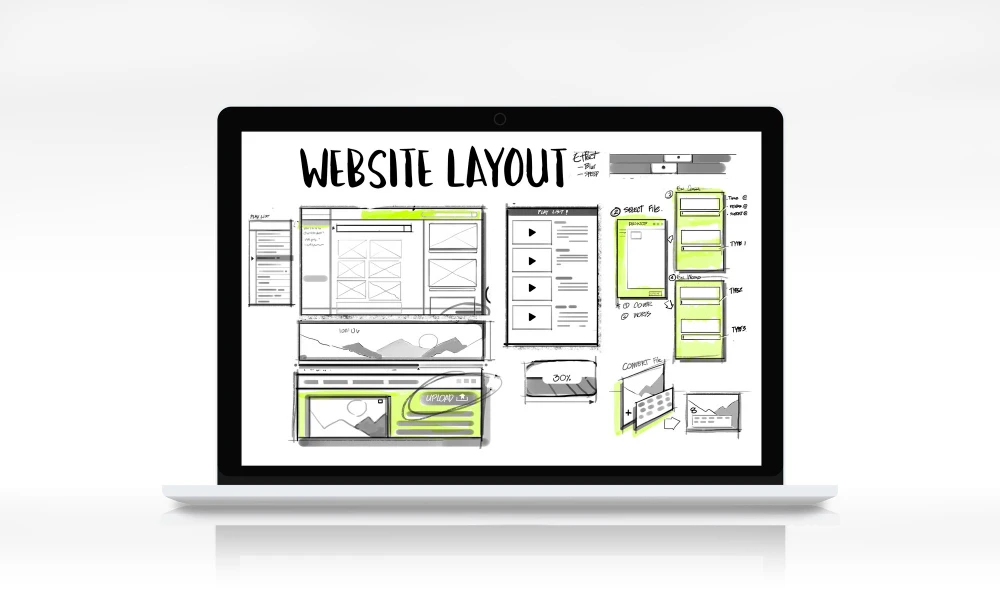
Skipping the prototyping and testing phases can lead to costly errors. Create interactive prototypes to simulate the user journey and conduct thorough testing to identify and address any usability issues. Prototyping and testing are essential steps in refining your UI design.
In conclusion, steering clear of these common UI design mistakes can significantly enhance the usability and appeal of your digital interfaces. By prioritizing user feedback, maintaining consistency, and addressing accessibility concerns, you can create UI designs that not only meet but exceed user expectations. Remember, a well-designed UI is a gateway to a positive user experience.
Visit my Upwork profile for - UI/UX design, Web design & Mobile design





















Sign in to leave a comment.