

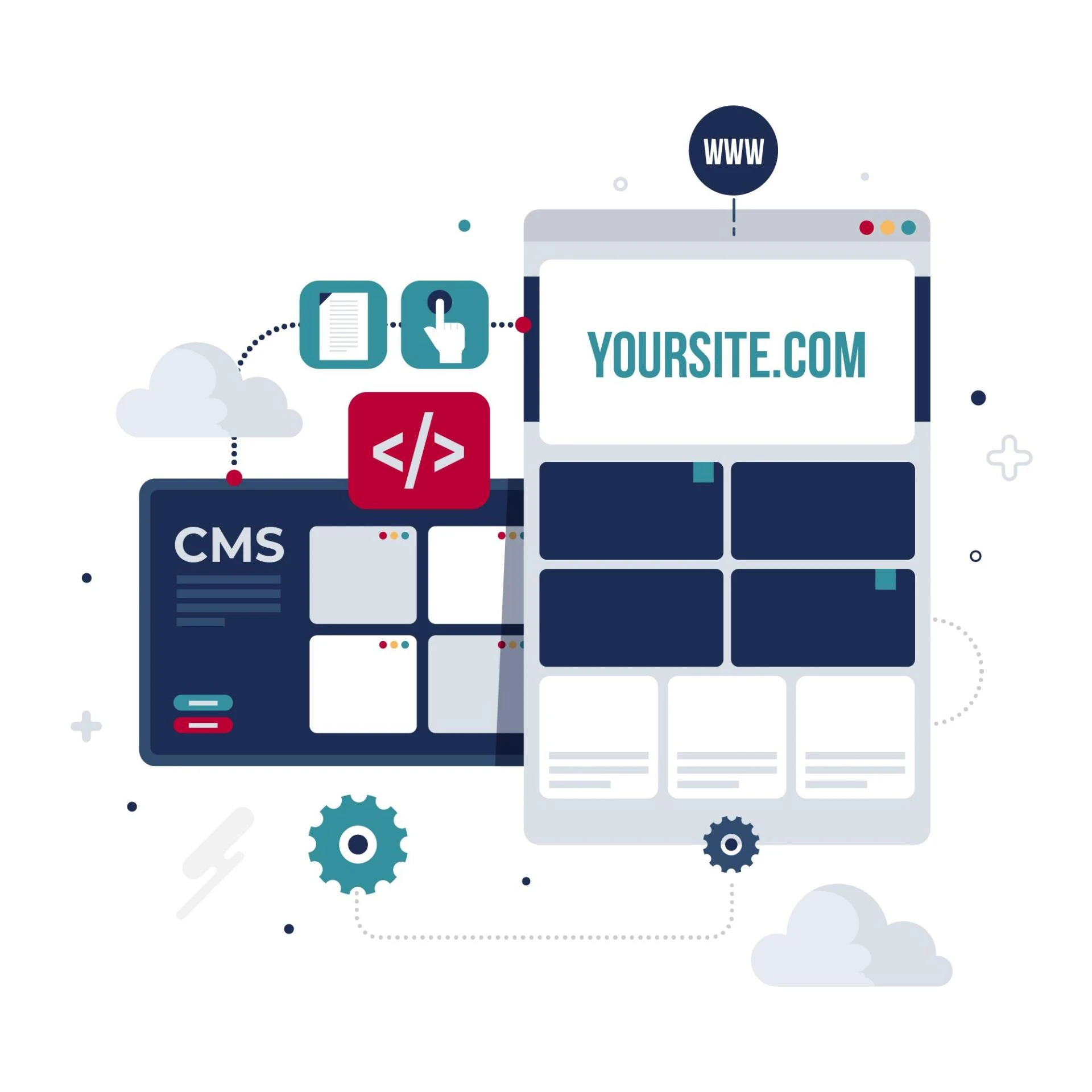
Your website is the heart of your digital presence.
Whether you’re selling services, products, or building a personal brand, your website design directly impacts traffic, trust, and conversions.
A poor design costs you leads.
A clean, strategic, user-focused design grows your business.
Here are the 10 most important website design guidelines that every business owner should follow.
1. Keep Your Design Clean and Simple
Clutter confuses users.
A clean design with ample spacing and minimal distractions improves readability and engagement.
What to do:
- Use consistent spacing
- Keep layout simple
- Avoid unnecessary graphics
Clean design = higher conversions.
2. Make Navigation Easy and Logical
Users should find what they need in 3 clicks or less.
Key elements:
- Clear menu
- Organized categories
- Logical page hierarchy
- Visible CTAs
Easy navigation leads to more time spent on your website.
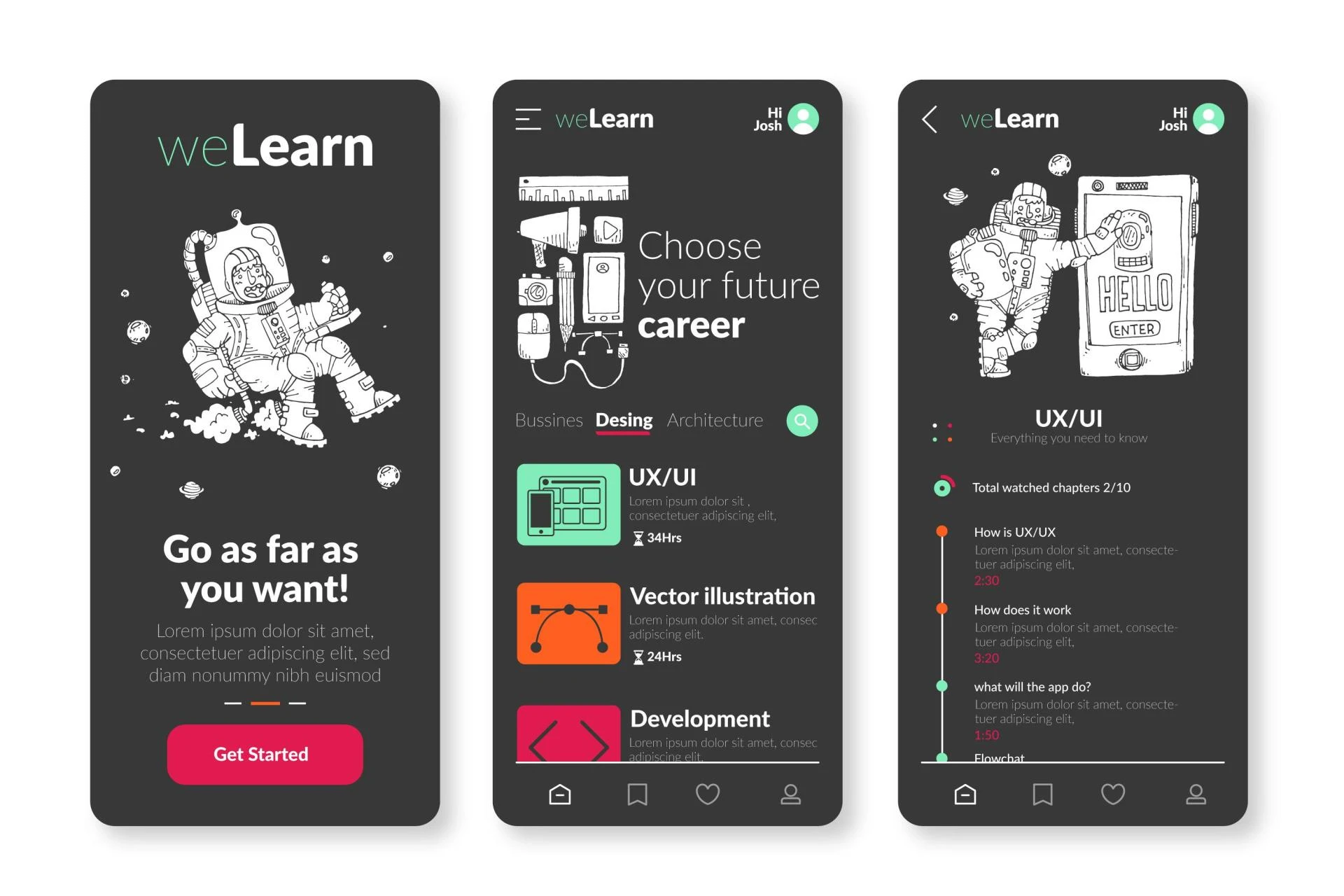
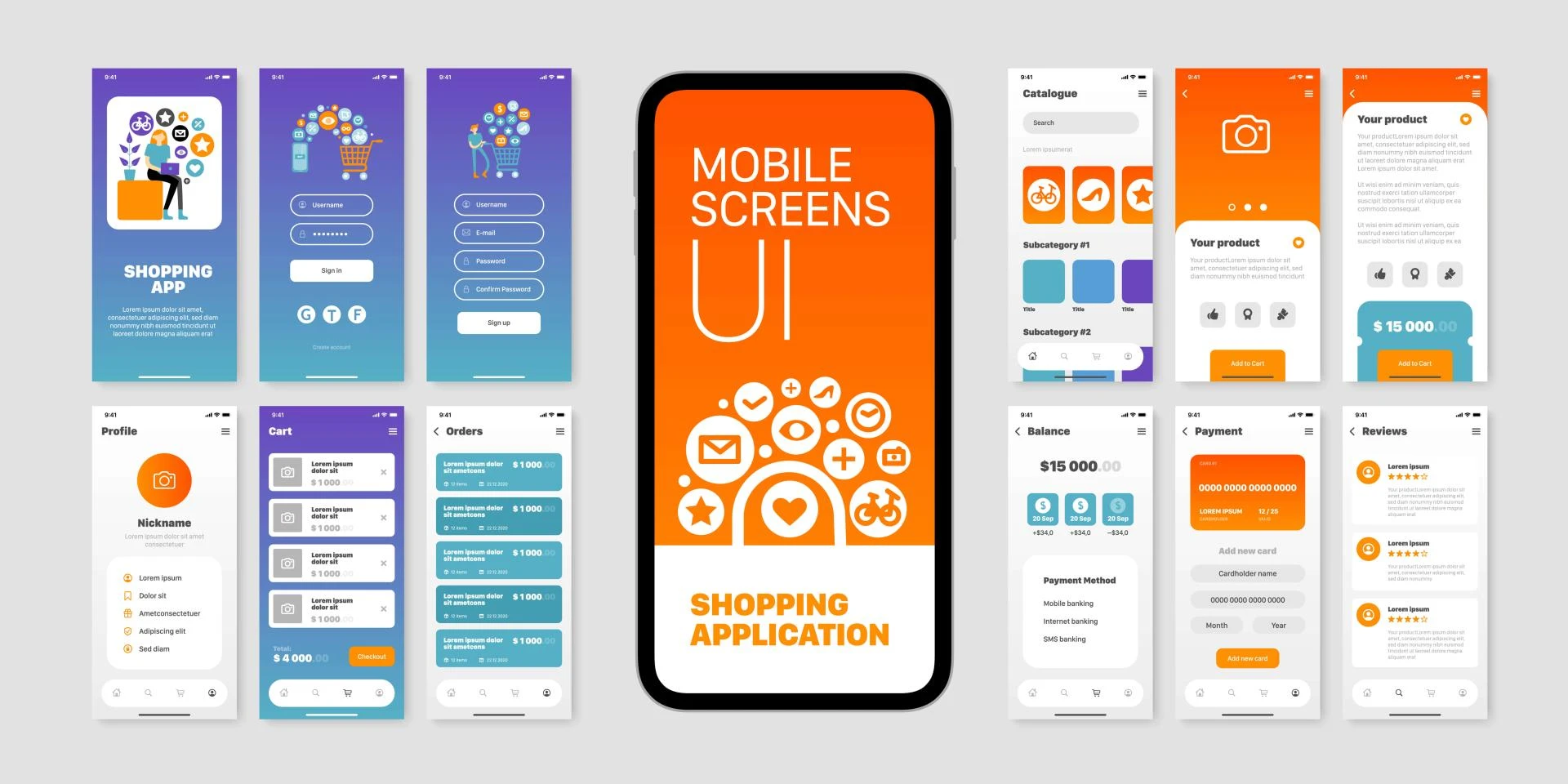
3. Prioritize Mobile-First Design
60%+ visitors come from mobile.
If your website doesn’t look or function well on mobile, users will leave instantly.
Best practices:
- Responsive layout
- Mobile-friendly fonts
- Touch-friendly buttons
- Fast mobile load speed
Mobile-first = modern and profitable.
4. Speed Is Everything — Optimize Page Load Time
Slow websites kill conversions.
Improve speed by:
- Compressing images
- Using clean code
- Minimizing scripts
- Using fast hosting
A fast website = better SEO + more sales.
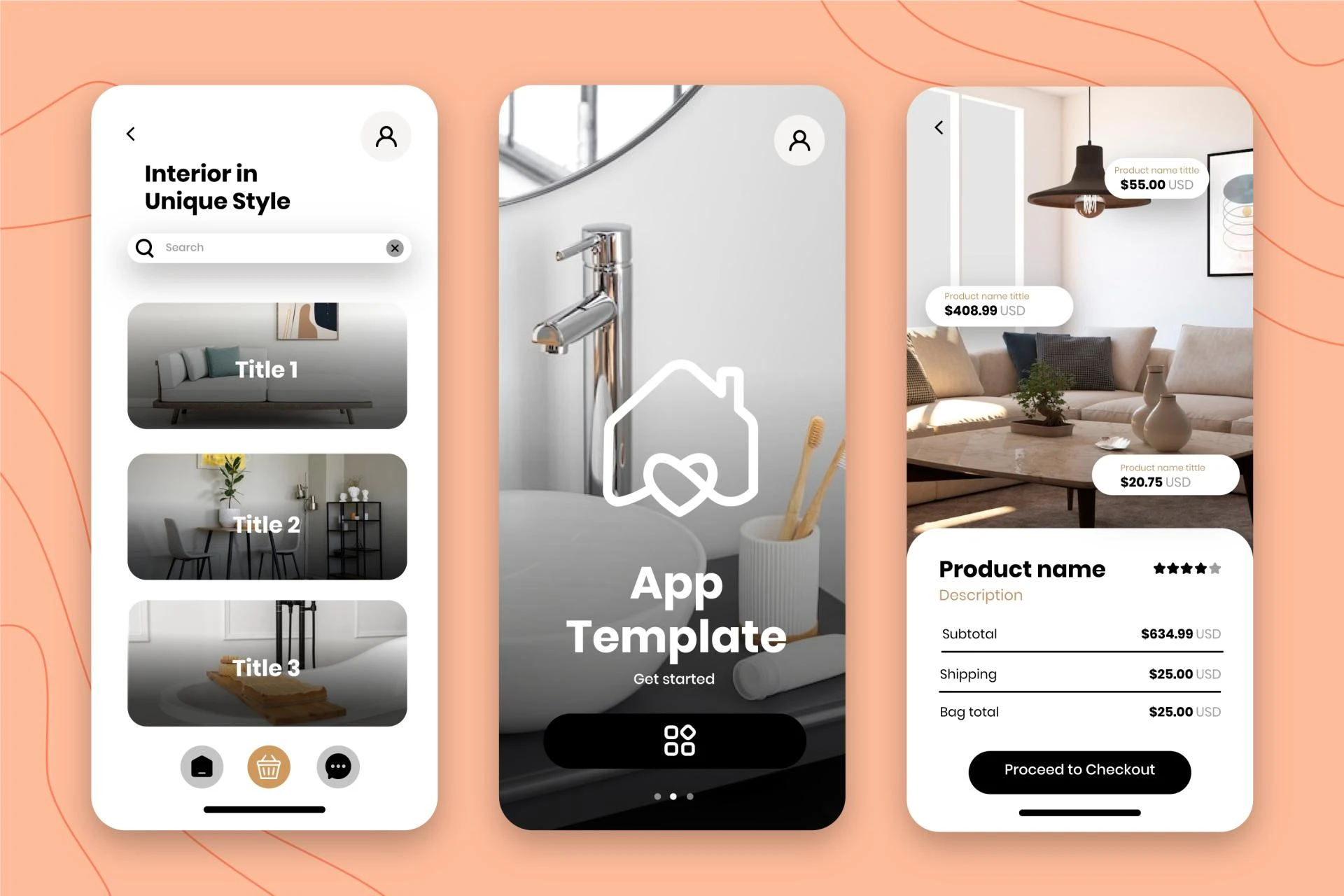
5. Use High-Quality Visuals and Consistent Branding
Your visuals communicate your brand story.
Poor-quality images make your business look unprofessional.
Focus on:
- Consistent colors
- Brand fonts
- High-resolution images
- Relevant graphics
Consistency builds trust.
6. Write Clear, Benefit-Focused Content
Your website copy must speak to the user’s needs, not just your business.
Good content includes:
- Simple language
- Strong headlines
- Benefit-driven messages
- Clear CTAs
Good design + strong content = unstoppable growth.
7. Add Strong and Visible CTAs (Calls-To-Action)
Your users should always know what action to take next.
Examples:
- “Get a Quote”
- “Contact Us”
- “Start Free Trial”
- “Book a Call”
CTAs should be bold, clear, and consistent.
8. Build Trust with Social Proof
People trust what others recommend.
Add:
- Testimonials
- Case studies
- Client logos
- Ratings & reviews
- Certifications
Trust = higher conversion rate.
9. Ensure Your Website Is Accessible to Everyone
Accessibility isn’t optional anymore—it’s essential.
Important elements:
- Readable fonts
- Proper contrast
- Alt text on images
- Keyboard navigation support
Accessible websites reach a larger audience.
10. Use Analytics to Improve Website Performance
Tracking helps you understand user behavior.
Monitor:
- Bounce rate
- Load time
- Click patterns
- Conversions
- User flow
Analytics = better decisions = faster growth.
Conclusion :
Your website isn’t just a design; it’s a business tool.
When you follow these 10 guidelines, your website becomes:
- More user-friendly
- More trustworthy
- More conversion-focused
- More profitable
A well-designed website can be the difference between struggling and scaling.



























Sign in to leave a comment.