
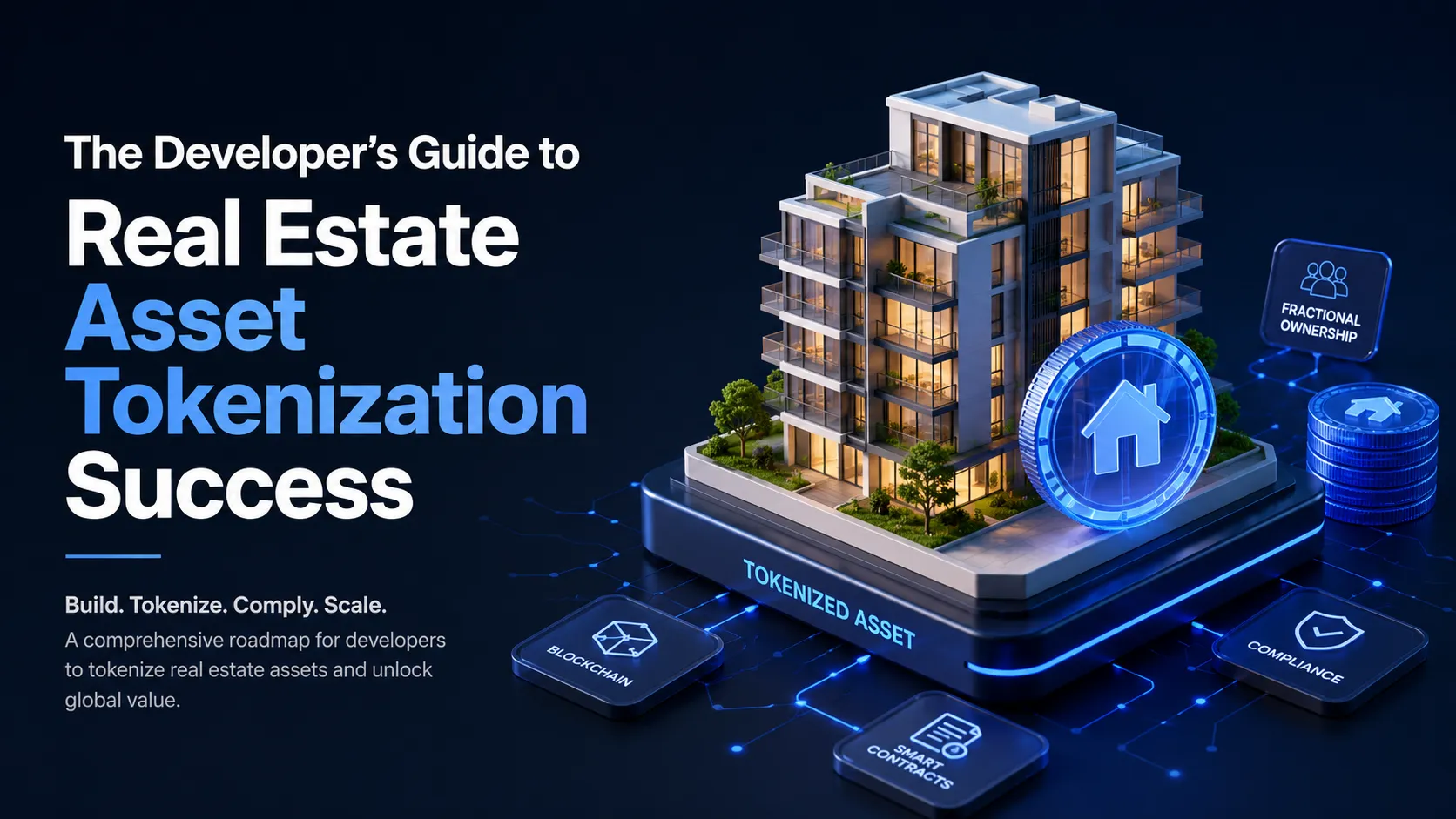
Real estate has always been a sector that attracts significant investment. However, traditional property markets often face limitations such as high entry barriers, illiquidity, and cumbersome processes. Real estate asset tokenization is offering an approach that opens new avenues for investors and developers alike. By converting physical assets into digital tokens on a blockchain, real estate asset tokenization makes it possible for more participants to engage in property investment while maintaining a reliable record of ownership.
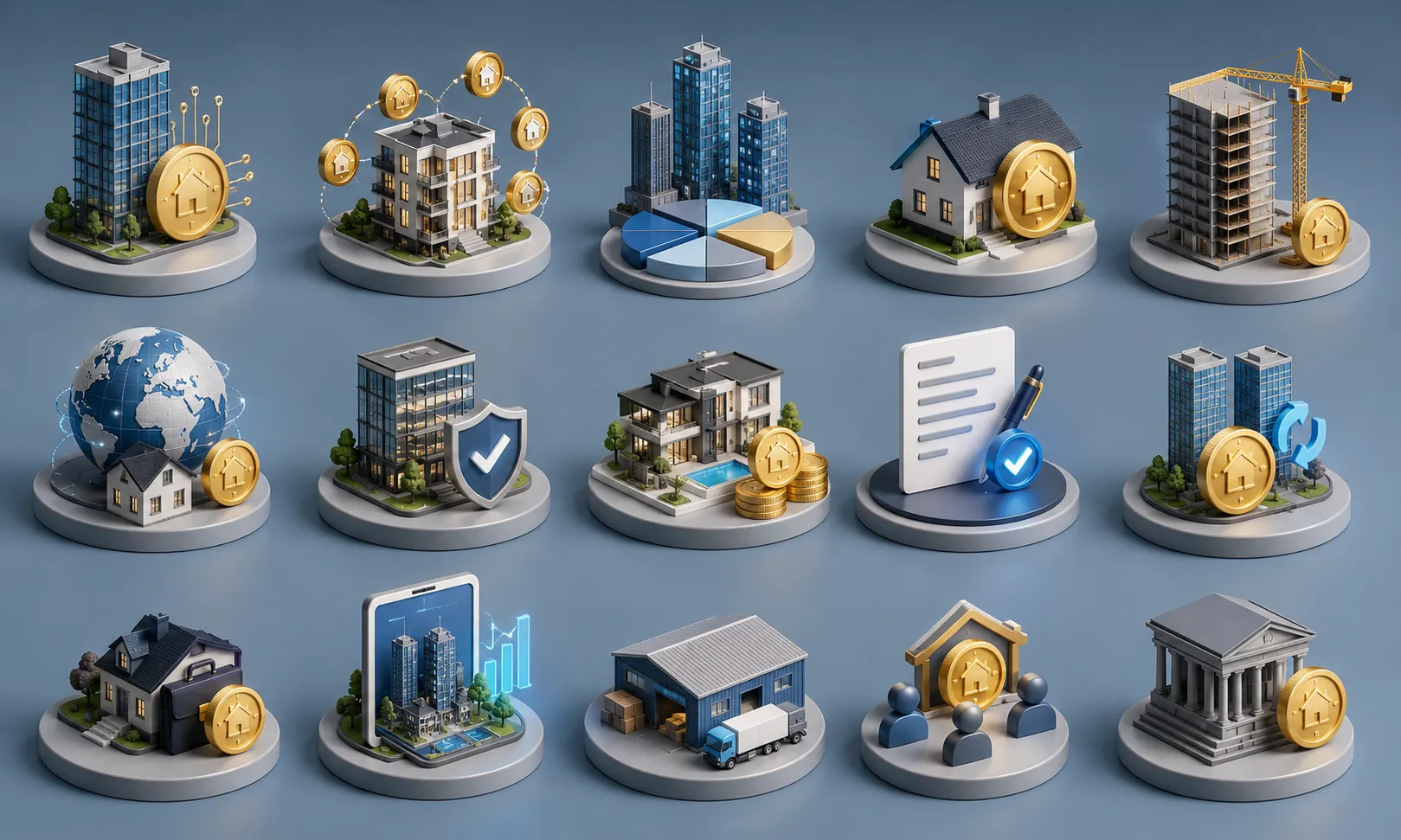
In this article, we explore 14 use cases of real estate asset tokenization that are gradually influencing property markets globally. Each case highlights how different stakeholders, from investors to developers, are benefiting from this approach.
1. Fractional Ownership
Fractional ownership allows investors to hold small portions of a property, making high-value real estate accessible to a broader audience. Real estate tokenization companies offer platforms where tokens represent shares of a property. Investors can buy and sell these tokens, providing a more liquid market for property assets.
Method: Investors purchase tokens proportional to their desired investment. Smart contracts on the platform manage dividend distribution and voting rights.
2. Cross-Border Investments
International investors often face challenges like regulatory compliance and currency conversion when buying property abroad. Real estate asset tokenization can simplify cross-border transactions. Tokens can be traded globally, reducing the need for traditional intermediaries.
Method: Investors use a real estate tokenization platform development service to access approved tokens. The platform handles compliance with local regulations.
3. Commercial Property Access
Commercial properties, such as office buildings and warehouses, require significant capital. Through tokenization, smaller investors can gain exposure to commercial real estate.
Method: Real estate tokenization development services allow commercial properties to be divided into tokens representing ownership or revenue rights. Investors can then trade or hold tokens according to their investment goals.
4. Liquidity in Illiquid Markets
One of the traditional challenges in real estate is illiquidity. Selling a property can take months or years. Real estate tokenization addresses this by offering a marketplace for tokens, making assets easier to buy or sell.
Method: Tokens are listed on dedicated exchanges or trading platforms. Investors can sell tokens in smaller units rather than the entire property.
5. Simplified Property Management
Property management often involves complicated administrative tasks. By integrating tokenization, developers and investors can simplify ownership tracking and rental management.
Method: Smart contracts embedded in the real estate tokenization platform development automate rent collection, ownership transfers, and reporting.
6. Fundraising for Developers
Developers often need capital to complete projects. Tokenizing a property allows them to raise funds from multiple investors while retaining partial ownership.
Method: Developers issue tokens representing future property shares. Investors receive returns based on the project’s revenue or valuation growth.
7. Short-Term Rental Investments
Investing in vacation homes or rental properties usually requires significant upfront capital. Real estate tokenization allows individuals to invest in rental properties for smaller amounts and receive a share of rental income.
Method: Tokens represent a fraction of the property, and rental income is distributed through automated payments using smart contracts.
8. Diversification of Investment Portfolios
Diversification is a crucial strategy in managing investment risk. Real estate asset tokenization enables investors to diversify across property types, regions, and price points without needing substantial capital.
Method: Investors acquire tokens representing different properties or projects, spreading their risk while maintaining liquidity.
9. Easier Regulatory Compliance
Compliance with local real estate laws can be complicated, especially in cross-border scenarios. Real estate tokenization development companies help structure tokens to align with legal requirements.
Method: Platforms incorporate KYC (Know Your Customer) and AML (Anti-Money Laundering) protocols, ensuring that only authorized investors participate in the tokenized property market.
10. Crowdsourced Urban Development
Urban development projects often require large-scale funding and stakeholder engagement. Real estate tokenization allows communities and smaller investors to contribute to development projects, creating shared benefits.
Method: A real estate tokenization company issues tokens for urban projects, and participants can purchase tokens to fund construction or redevelopment. Profits are then shared based on token holdings.
11. Improved Transparency for Investors
Investors are often concerned about property valuation and management. Real estate tokenization platforms provide real-time access to property records, transaction histories, and revenue data, offering greater clarity.
Method: Smart contracts and blockchain records ensure that all transactions and ownership details are accessible to token holders, reducing disputes and information gaps.
12. Shortening Transaction Timelines
Buying or selling property traditionally involves lengthy paperwork, multiple intermediaries, and delays. Real estate tokenization platforms allow transactions to occur more quickly and securely.
Method: Tokens can be exchanged instantly on a platform, with ownership updates automatically reflected on the blockchain, bypassing traditional bottlenecks.
13. Access to Alternative Assets
Real estate tokenization makes alternative real estate investments, such as industrial parks, data centers, or specialized commercial spaces, available to a wider audience.
Method: Real estate tokenization development services tokenize niche assets, and investors can purchase tokens without the need for full property ownership.
14. Estate Planning and Inheritance
Managing inheritance and estate planning can be complex when multiple heirs are involved. Tokenization allows property ownership to be divided into tokens, simplifying transfer and management among beneficiaries.
Method: Tokens representing property shares can be distributed according to a legal will. Blockchain records ensure the transaction is secure and immutable.
Conclusion
Real estate asset tokenization is changing how investors and developers interact with property markets. By providing opportunities for fractional ownership, global investment, improved liquidity, and simplified property management, tokenization is creating a more accessible and efficient investment ecosystem. Developers can raise funds more effectively, investors can diversify with smaller capital, and platforms ensure transparency and compliance. Blockchain App Factory provides Real Estate Tokenization Services, assisting clients in real estate tokenization development, real estate tokenization platform development, and connecting property assets with a broader investor base through structured and secure token solutions.



























Sign in to leave a comment.