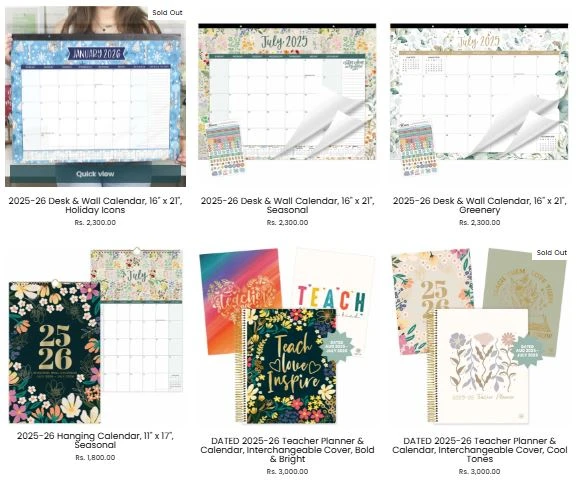

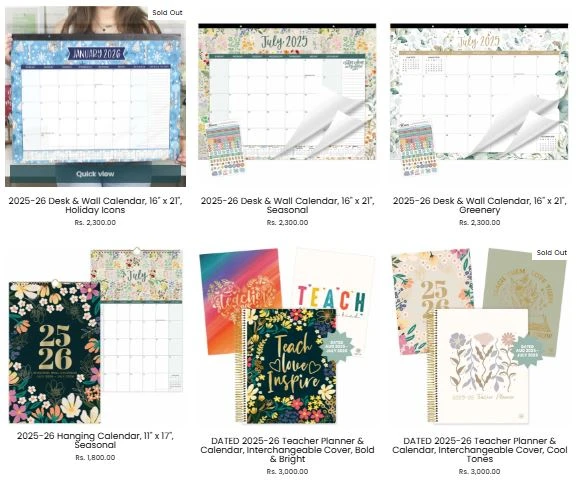
Staying on top of work, personal projects, and daily responsibilities can feel overwhelming at times. Without a plan, tasks pile up, deadlines sneak up, and your priorities blur. A 2026 day planner can bring structure to your day, making it easier to translate goals into actionable steps.
In this blog, we’ll explore methods to organize tasks, track progress, and create a routine that turns ambition into consistent results. From goal setting to reflection, you’ll discover practical strategies to make each day productive and focused.
Start with Clear Goal Setting
The foundation of effective daily planning begins with defining what you want to achieve. Clear goals help you focus on what matters most. Using a 2026 day planner, you can list short-term objectives alongside long-term ambitions. Begin by writing down key milestones for the year and breaking them into achievable chunks.
One way to structure goals is through the SMART method: Specific, Measurable, Achievable, Relevant, and Time-bound. This approach helps you clarify exactly what you aim to accomplish. You might start by noting career targets, personal development goals, or home projects. When goals are visible in your planner, it’s easier to assign daily tasks that bring you closer to them.
Break Goals into Manageable Daily Tasks
Big goals can feel intimidating. Dividing them into smaller, daily actions makes them more achievable. In your planner, you can assign concrete tasks for each day. For example, if your goal is to finish a report by Friday, you might break it into research, drafting, editing, and review tasks spread across the week.
Consider setting aside a few minutes each morning to review the day’s agenda. Use time blocks to tackle tasks in focused intervals and include short breaks to maintain energy. Tracking daily responsibilities in your planner prevents procrastination and ensures that progress builds consistently.
Prioritize Tasks Efficiently
Not every task carries the same weight. Using prioritization methods helps you allocate energy to what matters most. The Eisenhower Matrix is a simple way to separate tasks into four categories: urgent and important, important but not urgent, urgent but not important, and neither urgent nor important.
Another approach is the ABC method. Label each task as A (high priority), B (medium), or C (low). Daily entries in your 2026 day planner can list high-priority tasks first, followed by secondary actions. By tackling the most impactful tasks early, you reduce stress and prevent small obligations from dominating your day.
Track Progress and Build Consistency
Monitoring your progress is key to sustaining productivity. Your planner can serve as a visual record of accomplishments, showing what you completed each day and highlighting areas for improvement. Tracking habits alongside tasks reinforces routines and encourages accountability.
You might track daily exercise, reading, or project milestones. Weekly check-ins allow you to see trends and adjust plans for the coming days. This consistency turns planning into a habit rather than a sporadic effort.
Reflect and Adapt
Life rarely goes exactly as planned. Reflection helps you understand what worked and what didn’t. At the end of each week, review your planner to evaluate completed tasks and identify bottlenecks.
Use your planner to make adjustments. You can shift deadlines, reassign time blocks, or rethink priorities. Adding flexibility prevents frustration and allows you to maintain momentum without feeling like a schedule is controlling you. Simple tools like color coding or symbols can help quickly track adjustments and progress.
Make Planning Visual and Motivational
Engagement increases when planning is more than writing tasks. You can use charts, stickers, or doodles in your planner to make tracking enjoyable. Color-coding tasks by category, such as work, personal, or fitness, offers quick visual clarity.
Including motivational quotes or short affirmations can reinforce your goals and encourage a positive mindset. These visual and psychological cues strengthen the connection between planning and action, making it more likely that you’ll stick with your daily routine.
Turn Daily Planning into a Habit
Consistency is built through repetition. Take time each morning to review your planner and each evening to reflect on progress. Linking tasks to specific time slots helps create discipline and ensures that essential tasks are not overlooked.
You can also use reminders or alarms to prompt planner review and task completion. Gradually, using a planner becomes second nature, shaping your day without adding mental load.
Conclusion
Using a 2026 day planner to structure daily tasks can transform abstract goals into concrete actions. By setting clear objectives, breaking them into manageable steps, prioritizing tasks, tracking progress, and reflecting regularly, you turn planning into a habit that supports productivity and growth.
Over time, this approach can bring balance to your schedule, reduce stress, and allow you to achieve more consistently. When you embrace these methods, your day-to-day planning becomes a tool for long-term success, helping you move steadily toward your ambitions.































Sign in to leave a comment.