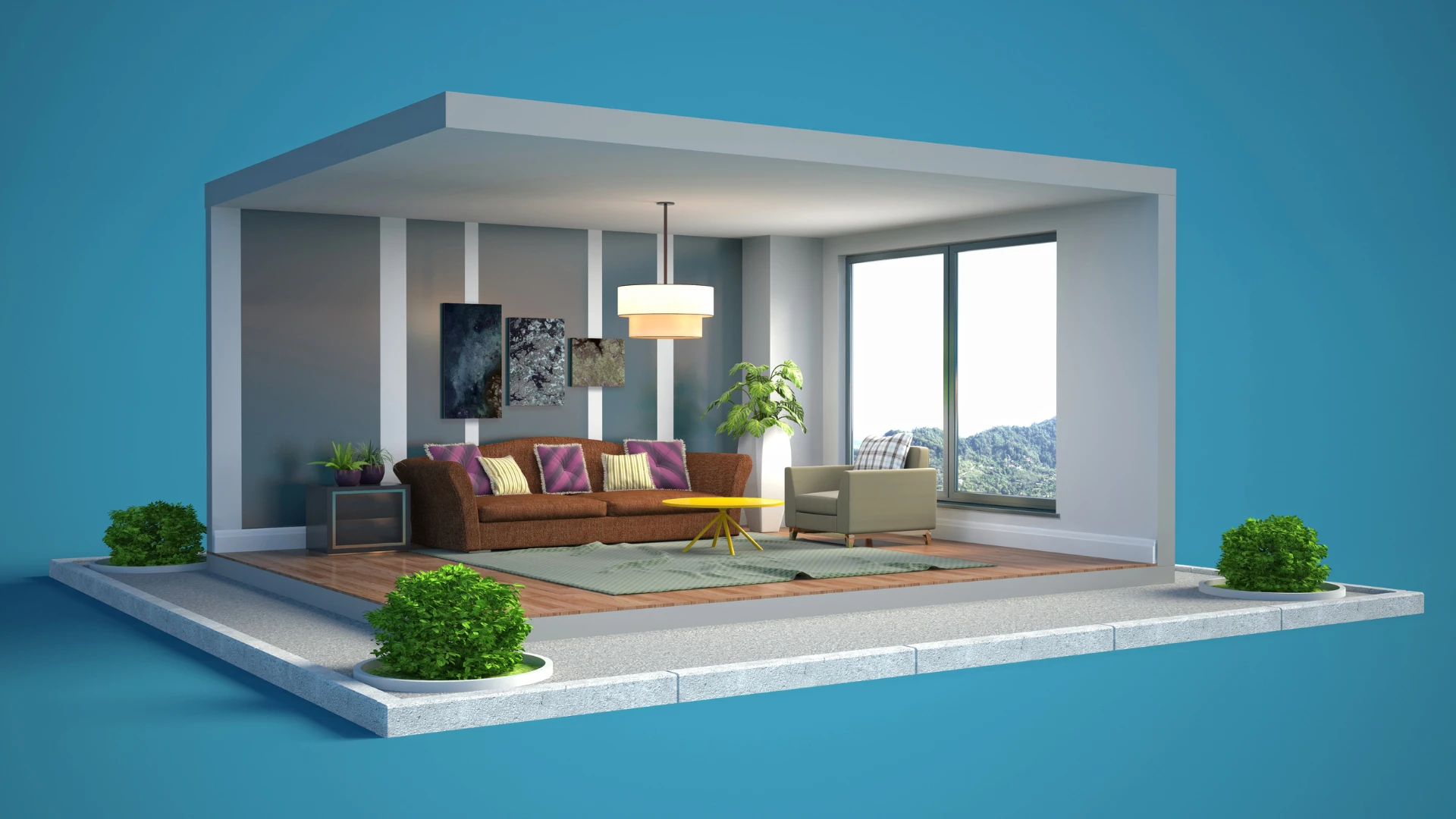
Creating a visually stunning interior design is no small feat. Whether you're an architect, interior designer, real estate developer, or homeowner, bringing your vision to life often requires professional expertise. This is where 3D interior rendering services come into play.
By hiring a 3D interior rendering studio, you can transform concepts into photorealistic visuals that captivate and inspire. But what exactly should you expect when partnering with a professional studio? In this comprehensive guide, we’ll walk you through the process, benefits, and considerations of working with a 3D interior rendering team to ensure your project’s success.
Understanding 3D Interior Rendering
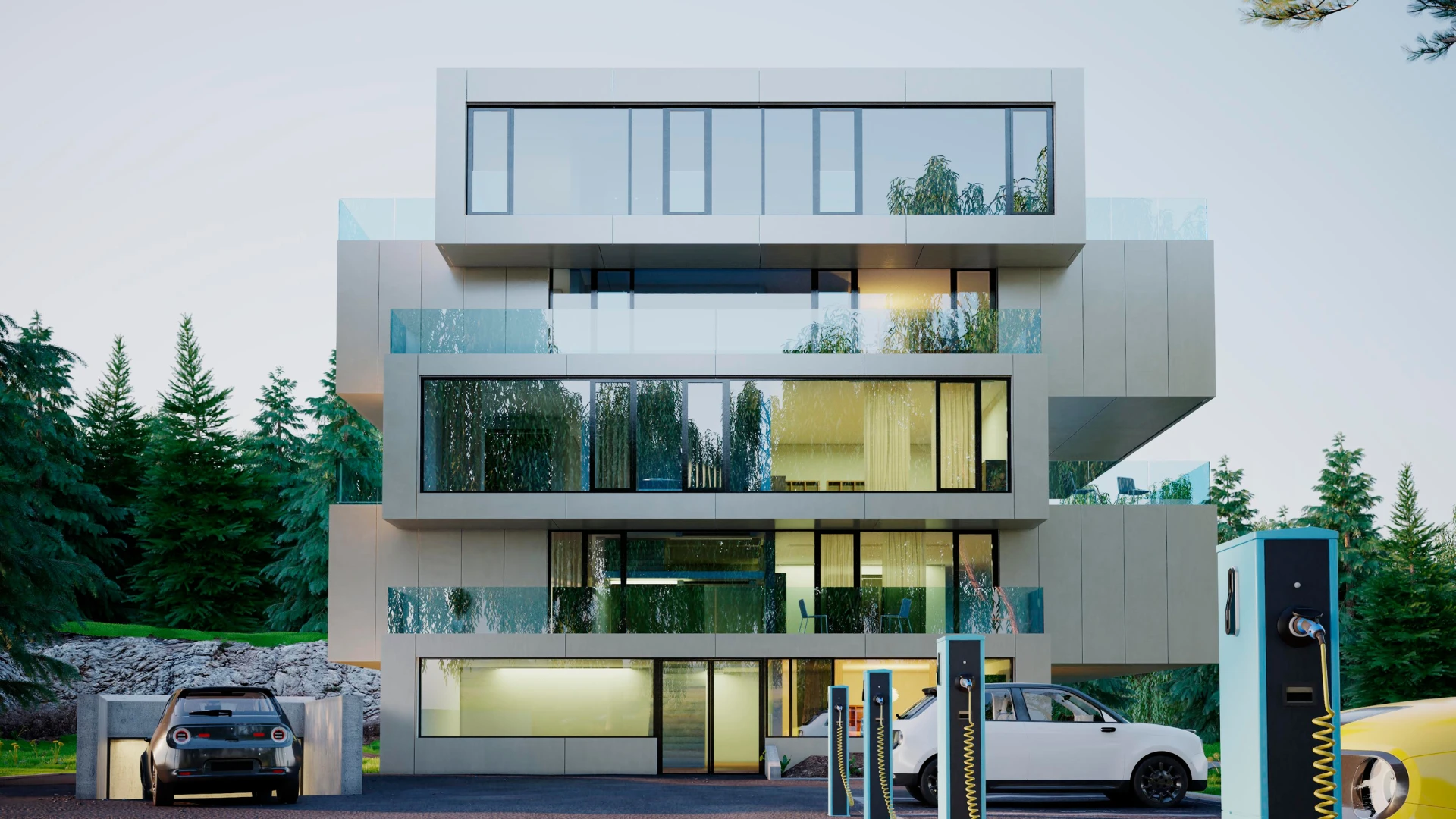
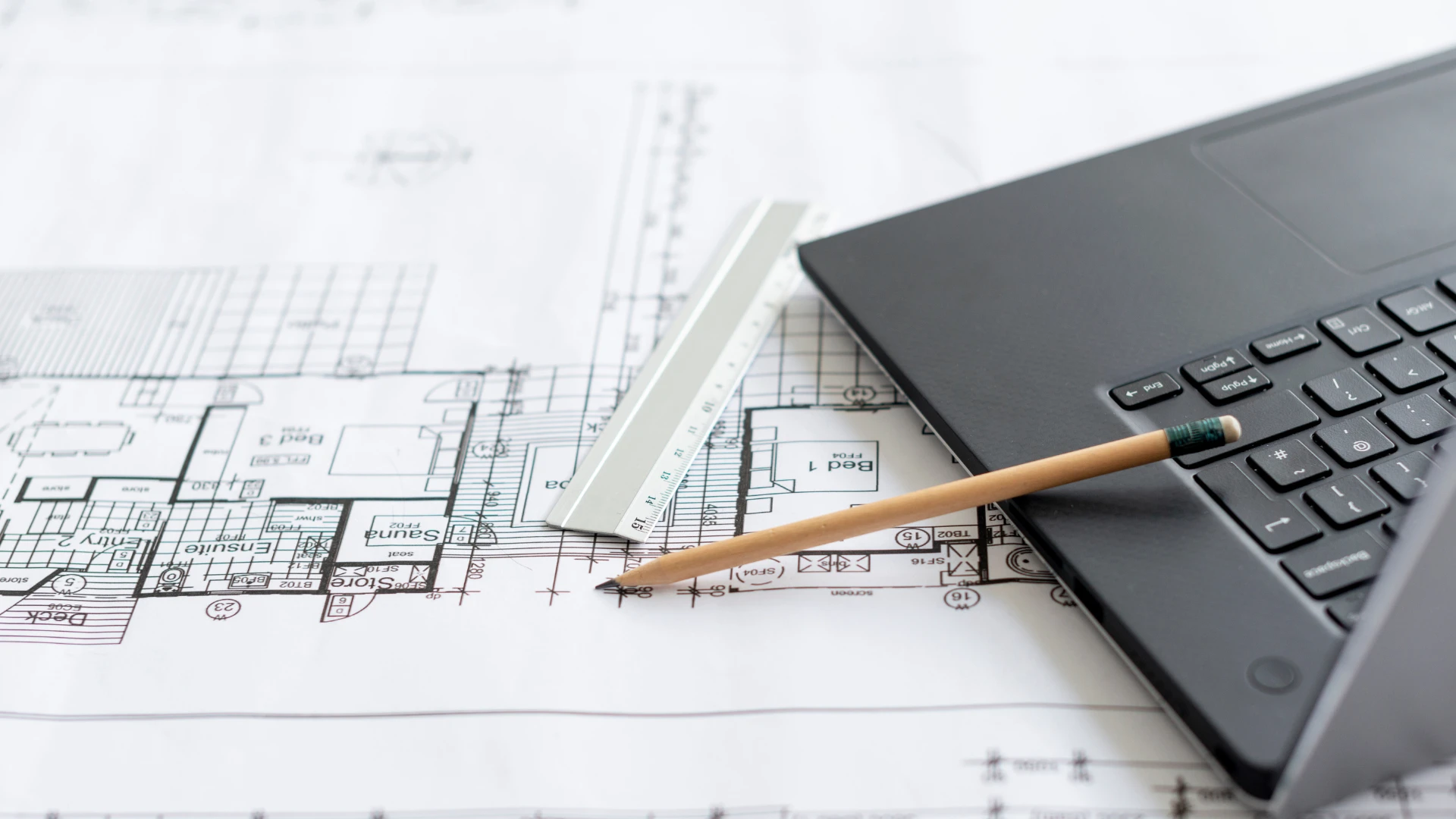
3D interior rendering is the process of creating highly detailed, photorealistic images or animations of interior spaces using advanced software. Unlike traditional 2D sketches or blueprints, 3D interior rendering services provide a lifelike representation of a space, complete with textures, lighting, and furnishings. These visuals allow clients to visualize the final outcome of a project before construction or renovation begins.
Why Choose 3D Interior Rendering?
The demand for 3D interior rendering services has skyrocketed in recent years due to their ability to bridge the gap between imagination and reality. Here’s why they’re a game-changer:
- Enhanced Visualization: See every detail of your interior design, from furniture placement to lighting effects, in a realistic format.
- Improved Decision-Making: Make informed choices about materials, colors, and layouts before investing in physical changes.
- Marketing Advantage: For real estate professionals, 3D interior rendering creates compelling visuals for listings, attracting potential buyers.
- Error Reduction: Identify design flaws or inconsistencies early, saving time and money during construction.
- Client Engagement: Impress clients with professional, high-quality visuals that showcase your vision effectively.
By partnering with a 3D interior rendering studio, you gain access to cutting-edge technology and expertise that elevates your project to the next level.
What to Look for in a 3D Interior Rendering Studio
Choosing the right 3D interior rendering studio is critical to achieving your desired results. Not all studios are created equal, so it’s essential to evaluate potential partners based on key factors.
1. Expertise and Experience
A reputable studio should have a proven track record in delivering high-quality 3D interior rendering services. Look for:
- A portfolio showcasing diverse projects, from residential homes to commercial spaces.
- Experience working with clients in your industry, such as architecture, real estate, or hospitality.
- Proficiency in industry-standard software like 3ds Max, V-Ray, or Lumion.
Ask about the team’s qualifications, including certifications or training in 3D interior rendering techniques, to ensure they can handle complex projects.
2. Customization and Flexibility
Every project is unique, and your chosen studio should offer tailored solutions to meet your specific needs. A good 3D interior rendering studio will:
- Adapt to your project requirements, whether it’s a single room or an entire building.
- Offer customizable deliverables, such as still images, 360-degree virtual tours, or animations.
- Be open to revisions to align the renderings with your vision.
3. Communication and Collaboration
Effective communication is the backbone of a successful partnership. When hiring a studio, ensure they prioritize:
- Clear and timely updates on project progress.
- Responsiveness to feedback and willingness to make adjustments.
- A collaborative approach, involving you in key decisions throughout the process.
4. Technology and Innovation
The quality of 3D interior rendering depends heavily on the tools and techniques used. Top studios invest in:
- Advanced rendering software for photorealistic results.
- Virtual reality (VR) or augmented reality (AR) capabilities for immersive experiences.
- High-performance hardware to handle large-scale projects efficiently.
5. Pricing and Turnaround Time
While cost shouldn’t be the sole deciding factor, it’s important to understand the studio’s pricing structure and delivery timelines. Look for transparency in:
- Detailed quotes outlining the scope of work and associated costs.
- Realistic timelines that align with your project schedule.
- Value-added services, such as multiple revisions or post-production edits, included in the package.
The 3D Interior Rendering Process: Step-by-Step
Understanding the workflow of a 3D interior rendering studio can help you set realistic expectations and prepare for a smooth collaboration. Here’s a breakdown of the typical process:
Step 1: Initial Consultation
The process begins with a consultation to discuss your project goals, vision, and requirements. During this phase, the studio will:
- Gather details about the space, including dimensions, architectural plans, and design preferences.
- Understand your target audience, whether it’s homeowners, investors, or potential buyers.
- Define the scope of work, such as the number of renderings or types of deliverables (e.g., images, animations).
Step 2: Concept Development
Once the studio has a clear understanding of your needs, they’ll create initial concepts or mood boards. This stage involves:
- Selecting materials, colors, and textures based on your input.
- Creating rough sketches or low-resolution renders for feedback.
- Aligning the design with your brand or aesthetic preferences.
Step 3: 3D Modeling
The core of 3D interior rendering lies in building a digital model of the space. The studio will:
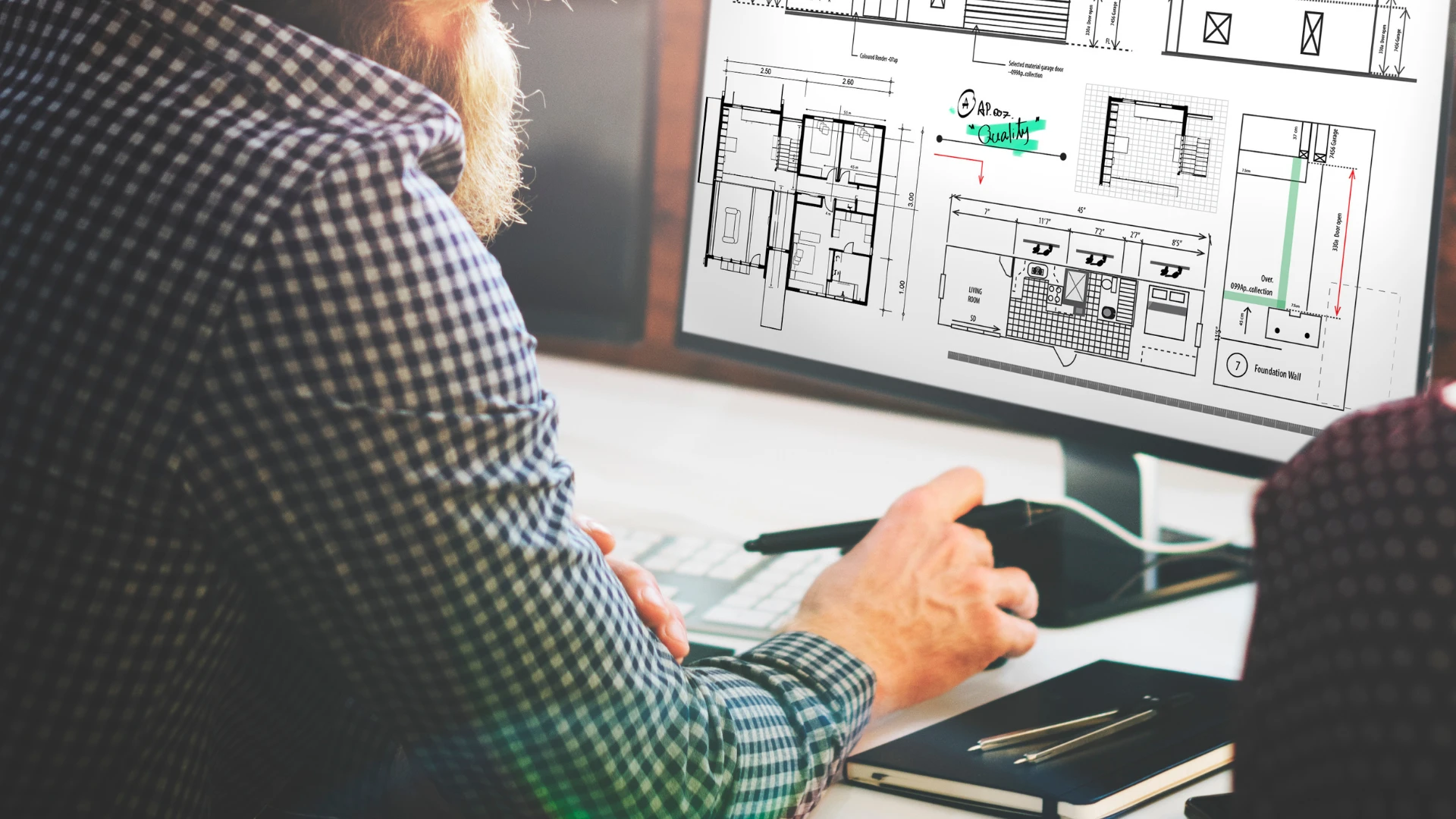
- Use architectural plans or blueprints to create a 3D framework.
- Add detailed elements like furniture, lighting fixtures, and decor.
- Incorporate realistic textures and materials to enhance authenticity.
Step 4: Rendering and Refinement
After the 3D model is complete, the studio renders high-quality images or animations. This step includes:
- Applying lighting effects to simulate natural or artificial light sources.
- Fine-tuning details like shadows, reflections, and highlights for realism.
- Sharing drafts with you for feedback and making necessary revisions.
Step 5: Final Delivery
Once the renderings meet your approval, the studio delivers the final files in your preferred format (e.g., JPEG, PNG, MP4). They may also provide:
- High-resolution images for print or online use.
- Interactive 360-degree tours or VR experiences.
- A project summary or presentation for client meetings.
Benefits of Hiring a Professional 3D Interior Rendering Studio
Investing in 3D interior rendering services offers numerous advantages that can elevate your project and streamline your workflow. Here are some key benefits:
- Time and Cost Savings: By visualizing the design beforehand, you can avoid costly changes during construction.
- Competitive Edge: Stand out in the market with professional, eye-catching visuals that attract clients or buyers.
- Improved Client Satisfaction: Provide clients with a clear, tangible representation of the final design, reducing misunderstandings.
- Versatility: Use renderings for marketing, presentations, or project approvals across various industries.
- Global Appeal: High-quality 3D interior rendering resonates with audiences worldwide, making it ideal for international projects.
Common Challenges and How to Overcome Them
While 3D interior rendering services offer immense value, there are potential challenges to be aware of. Here’s how to address them:
Challenge 1: Misaligned Expectations
If the studio doesn’t fully understand your vision, the final renderings may fall short. To avoid this:
- Provide detailed references, such as mood boards, sketches, or sample images.
- Communicate your goals clearly during the initial consultation.
- Request regular progress updates to ensure the project stays on track.
Challenge 2: Budget Constraints
High-quality 3D interior rendering can be expensive, especially for large projects. To manage costs:
- Discuss your budget upfront and ask for a detailed breakdown of expenses.
- Opt for a phased approach, starting with a smaller scope and expanding as needed.
- Compare quotes from multiple studios to find the best value.
Challenge 3: Tight Deadlines
Complex renderings take time, and rushing the process can compromise quality. To meet deadlines:
- Plan ahead and provide the studio with sufficient lead time.
- Prioritize key deliverables if time is limited.
- Choose a studio with a reputation for meeting deadlines without sacrificing quality.
Tips for Maximizing Your Collaboration with a 3D Interior Rendering Studio
To ensure a successful partnership, follow these best practices:
- Be Specific with Your Vision: Share as much detail as possible about your design preferences, including colors, materials, and ambiance.
- Provide High-Quality Inputs: Submit accurate architectural plans, measurements, and reference images to streamline the process.
- Embrace Feedback Loops: Be open to iterative revisions to refine the renderings and achieve the desired outcome.
- Leverage Technology: If the studio offers VR or AR options, explore these tools for a more immersive experience.
- Build a Long-Term Relationship: Partnering with the same studio for future projects can save time and ensure consistency.
The Future of 3D Interior Rendering
The 3D interior rendering industry is evolving rapidly, driven by advancements in technology and changing client expectations. Some trends to watch include:
- Virtual Reality Integration: VR-enabled renderings allow clients to “walk through” spaces in real time.
- AI-Powered Rendering: Artificial intelligence is streamlining the rendering process, reducing turnaround times.
- Sustainable Design Visualization: Studios are increasingly showcasing eco-friendly materials and designs in renderings.
- Real-Time Collaboration: Cloud-based platforms enable clients and studios to collaborate seamlessly, regardless of location.
By staying informed about these trends, you can choose a 3D interior rendering studio that’s equipped to deliver cutting-edge solutions.
Conclusion
Hiring a 3D interior rendering studio is a powerful way to bring your interior design ideas to life. From photorealistic visuals to immersive virtual tours, 3D interior rendering services offer unmatched value for architects, designers, and real estate professionals.
By understanding the process, setting clear expectations, and choosing the right studio, you can ensure a seamless collaboration that delivers stunning results. Whether you’re designing a dream home or marketing a commercial property, 3D interior rendering is the key to turning your vision into reality.


























Sign in to leave a comment.