
The worlds of Computer-Aided Design (CAD), architecture, and immersive technology are converging in ways that are fundamentally changing how we design, visualize, and interact with the built environment. No longer are architects and designers confined to static blueprints and flat screens; they are now creating dynamic, living experiences. This transformation represents a significant leap "From CAD to Canvas," leveraging precision engineering to bring digital models into the physical world through techniques like 3D projection mapping and the creation of digital twins.
The Foundation: What is CAD?
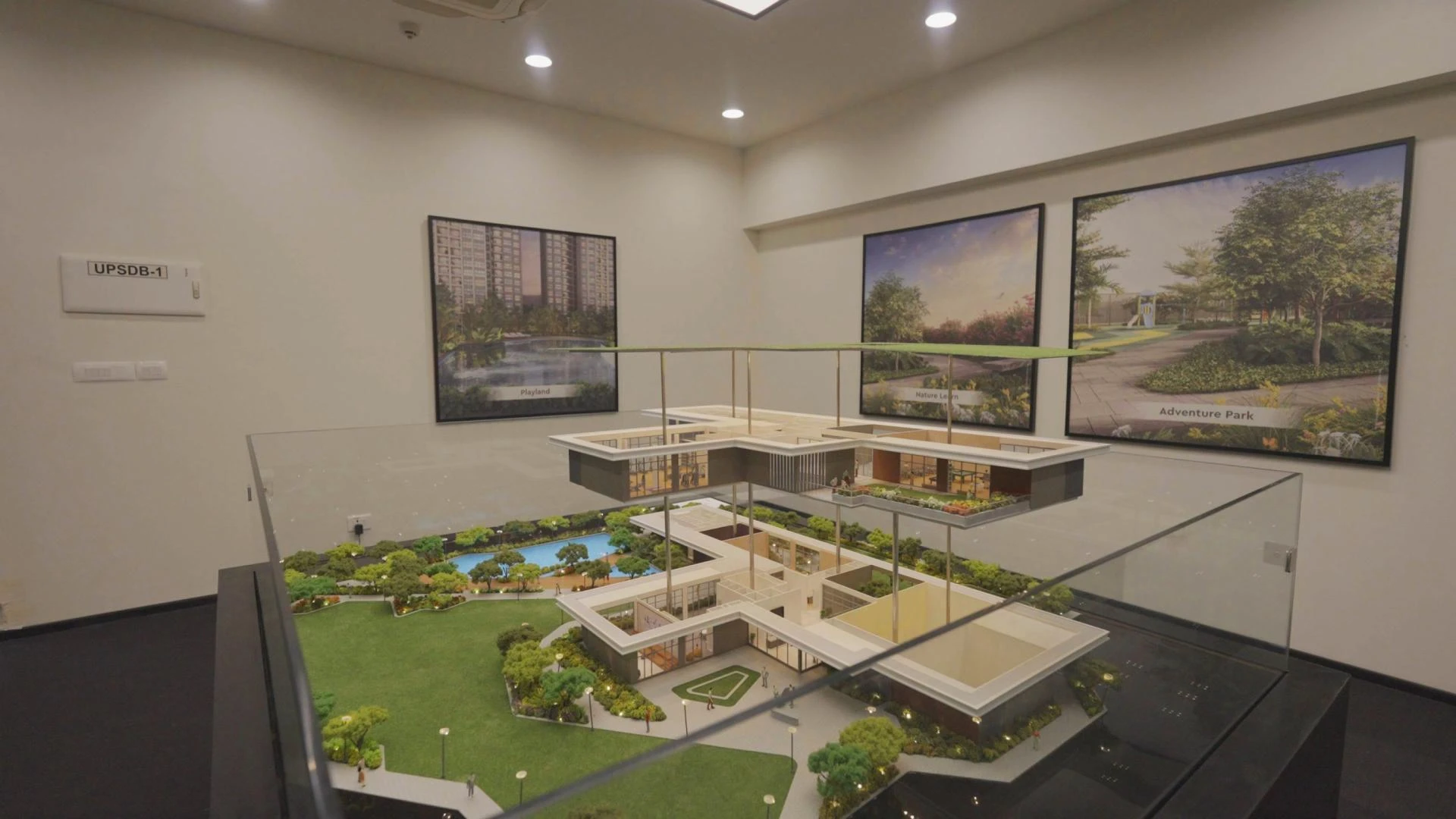
At its core, CAD is the use of computer systems to assist in the creation, modification, analysis, or optimization of a design. It replaced traditional manual drafting, allowing for faster, more accurate, and easily revisable design work. In architecture, CAD translates complex ideas into precise 2D drawings and detailed 3D models. It is the digital foundation upon which all modern construction, engineering, and manufacturing is built.
However, the leap from CAD to canvas signifies a change in how the output of this design process is consumed. The "canvas" here is not just a screen; it's the physical world—a building façade, a public space, or a stadium—transformed into an immersive display surface.
The Market Shift: Visualization and Immersion
The current market demands more than just visualization; it requires immersion. Clients and the public want to experience an architectural design before a single brick is laid. This shift has been driven by advances in graphics technology and the need for more engaging marketing and planning tools.
Architectural 3D Projection Mapping
This is where the magic of architectural 3D projection mapping comes in. It is a technique where video content is precisely mapped onto the surface of an object, often an irregularly shaped building.
The Process:
- CAD Model Creation: A detailed 3D CAD model of the structure is created or obtained.
- Calibration and Warping: Specialized software analyzes the geometry of the physical structure and mathematically warps the digital video content to align perfectly with every edge, corner, and surface.
- Projection: High-lumen projectors cast the warped imagery, making it appear as if the building itself is moving, dissolving, or transforming.
This technique is a powerful tool for marketing, public art, and showing proposed changes to a structure. For instance, an architect could project the finished material and lighting scheme onto a structure still under construction, creating an immediate, impactful vision of the final design. The precision inherited from the original CAD model is crucial; even a millimeter of misalignment can break the illusion. This level of technical complexity is why specialized projection mapping services companies are essential for successful execution.
The Rise of the Digital Twin
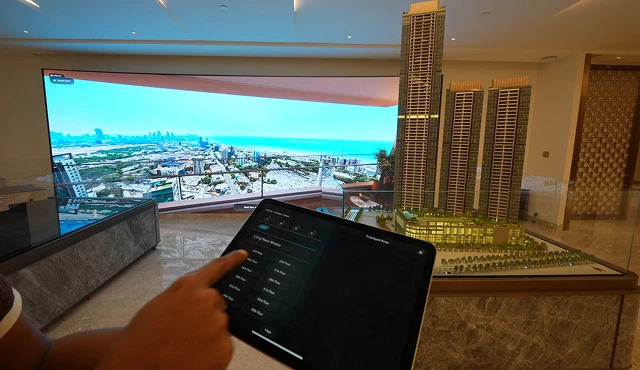
Another critical development in this market shift is the digital twin. A digital twin is a virtual replica of a physical asset, process, or system. Unlike a static CAD model, a digital twin is dynamic—it is connected to its physical counterpart via real-time data sensors.
For architecture and urban planning, a digital twin is an invaluable tool for:
- Simulation: Testing how a new architectural design would impact wind flow, sunlight, or pedestrian traffic.
- Maintenance: Monitoring a building’s structural integrity, energy consumption, and HVAC systems in real-time.
- Future Planning: Modeling potential expansions or renovations without disrupting the physical structure.
The creation of an accurate, functional digital twin absolutely depends on the initial geometric precision established in the CAD phase. It's the ultimate evolution from CAD to canvas, where the canvas is a perpetually updated, interactive virtual model of a real structure.
Precision in Practice: The 3D CGI Campaign
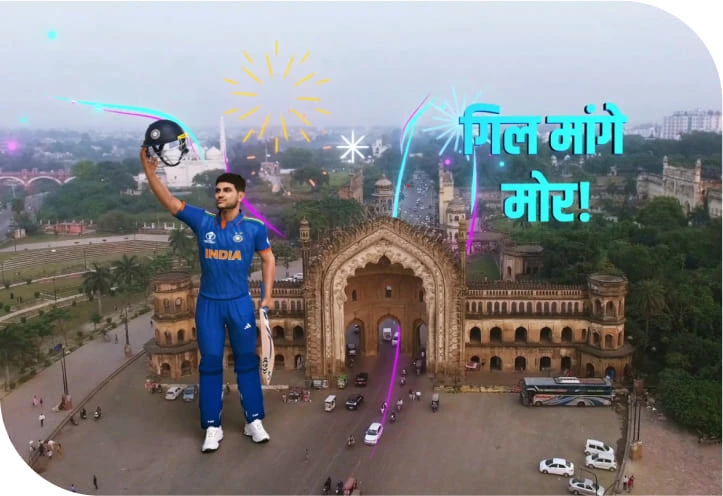
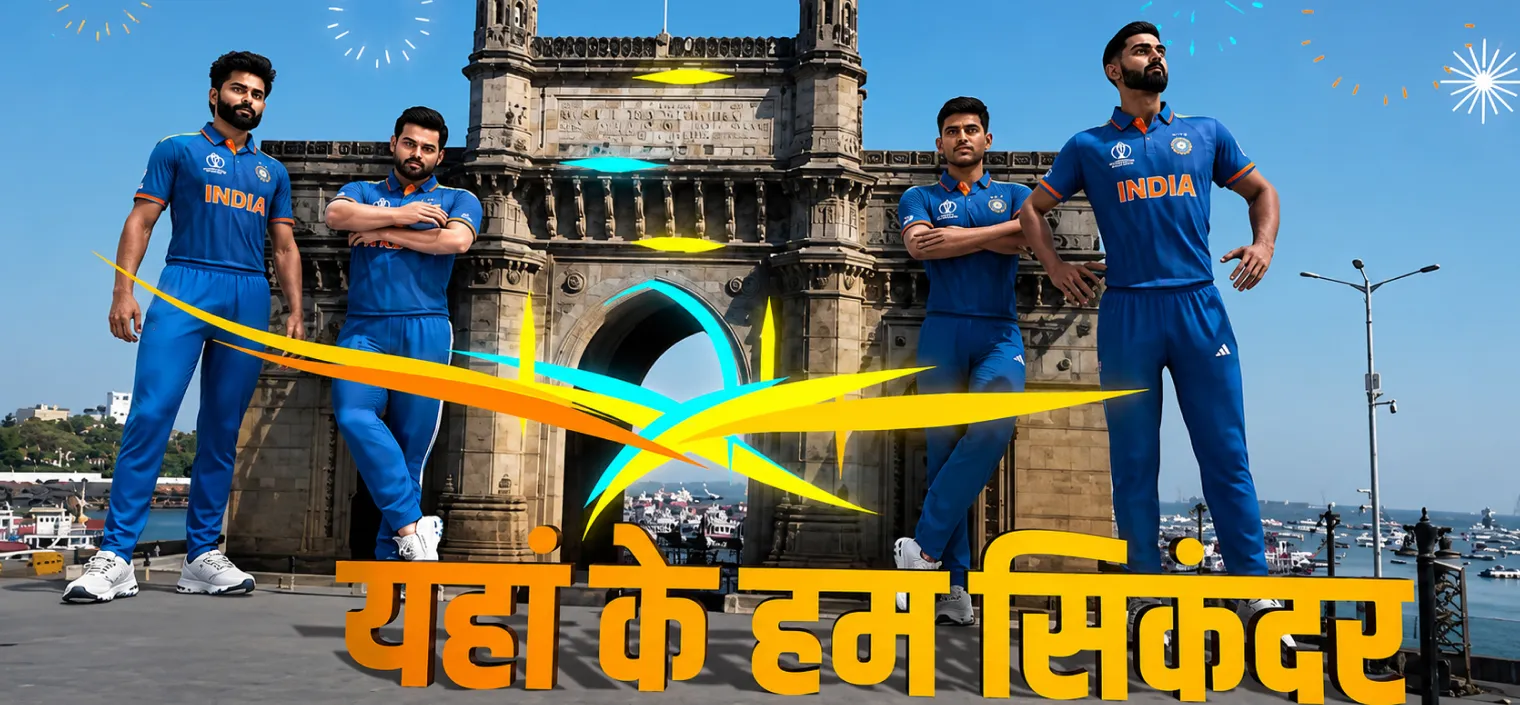
The need for high-precision 3D modeling and dynamic integration isn't limited to buildings; it's also revolutionizing media and entertainment. A brief look at the STAR SPORTS 3D CGI CAMPAIGN demonstrates the sophisticated precision engineering required to bring high-fidelity 3D assets to a massive audience.
The client, STAR SPORTS, aimed to enhance the World Cup viewing experience by replacing traditional 2D graphics with dynamic, larger-than-life 3D CGI Avatars of Indian Cricket Stars. This involved:
- Data and Photogrammetry: The process began with data-driven photoshoots to capture the players' exact likenesses, allowing for the creation of detailed 3D models within a tight timeframe.
- Motion Capture: Motion capture technology was used to record and recreate the players’ signature moves at an impressive 240FPS (frames per second). This ensures that the digital avatar's movements are authentic and hyper-realistic.
- Seamless Integration: The core challenge, and the greatest feat of precision engineering, was the seamless integration of these complex 3D CGI player segments into a live broadcast seen by the world's highest concurrent viewership.
While not projecting onto a physical building, the technical challenge—creating a highly accurate digital replica (a type of digital twin) and making it interact flawlessly with a real-world context (the broadcast)—parallels the precision required in architectural mapping. It highlights the power of 3D assets derived from initial precision modeling to create a dynamic, immersive, and transformative viewing experience, marking a major success for the projection mapping services company involved.
From CAD to canvas
The journey from CAD to canvas is defined by a relentless pursuit of precision engineering. Whether it's the dynamic spectacle of architectural 3D projection mapping that turns a civic structure into a vibrant narrative or the creation of an interactive digital twin that optimizes a skyscraper's performance, the foundation is always the accurate 3D model. The future of design and visualization is immersive, real-time, and stunningly accurate, powered by the seamless transition of data from design software into the physical and virtual worlds.
CONNECT WITH US TO TRANSFORM YOUR NEXT PROJECT INTO AN IMMERSIVE MASTERPIECE.



















Sign in to leave a comment.