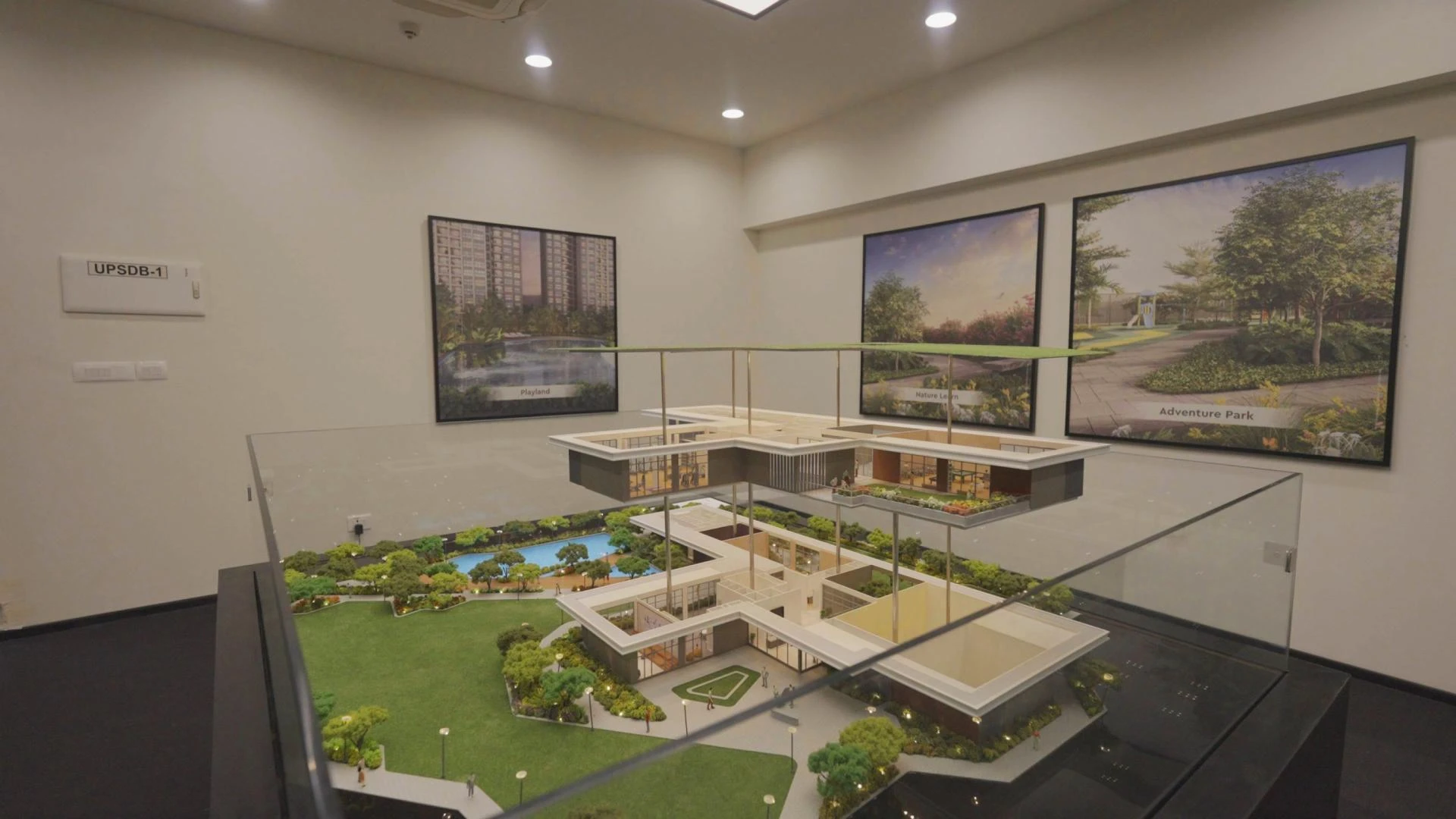

Your showroom is having an identity crisis. On one hand, it's supposed to be professional, trustworthy, and informative. On the other hand, it needs to be memorable, emotionally resonant, and conversion-focused. Most of the time, it succeeds at being neither.
The problem isn't the space itself. It's that we've been thinking about showrooms wrong for decades.
A traditional showroom presents. An immersive showroom transforms. And the difference in conversion isn't subtle.
The Showroom Challenge That Keeps Leadership Awake
Imagine being a sales director at a major real estate firm. You've built an excellent product. You've hired your best people. You've trained them relentlessly. Yet when prospects enter your showroom, something intangible is missing. They look at renderings the same way they'd flip through a magazine at the dentist's office.
The core issue: buyers are risk-averse about major decisions. A flat image, no matter how high-quality, is just information. It doesn't create the neural pathways that lead to conviction. It doesn't make them feel anything. And if they don't feel it, they won't buy it.
For Godrej Properties, this challenge was amplified. They weren't selling existing homes. They were selling a vision of the future tied to infrastructure transformation. Visitors arrived with legitimate questions: Will the airport commute actually work? Is the timeline realistic? What's the actual view quality?
Standard tools couldn't answer these questions compellingly. That's when everything shifted.
The Immersive Intervention
Instead of trying to make 2D materials more persuasive, the team asked a radical question: what if we let people experience the future directly, rather than imagine it?
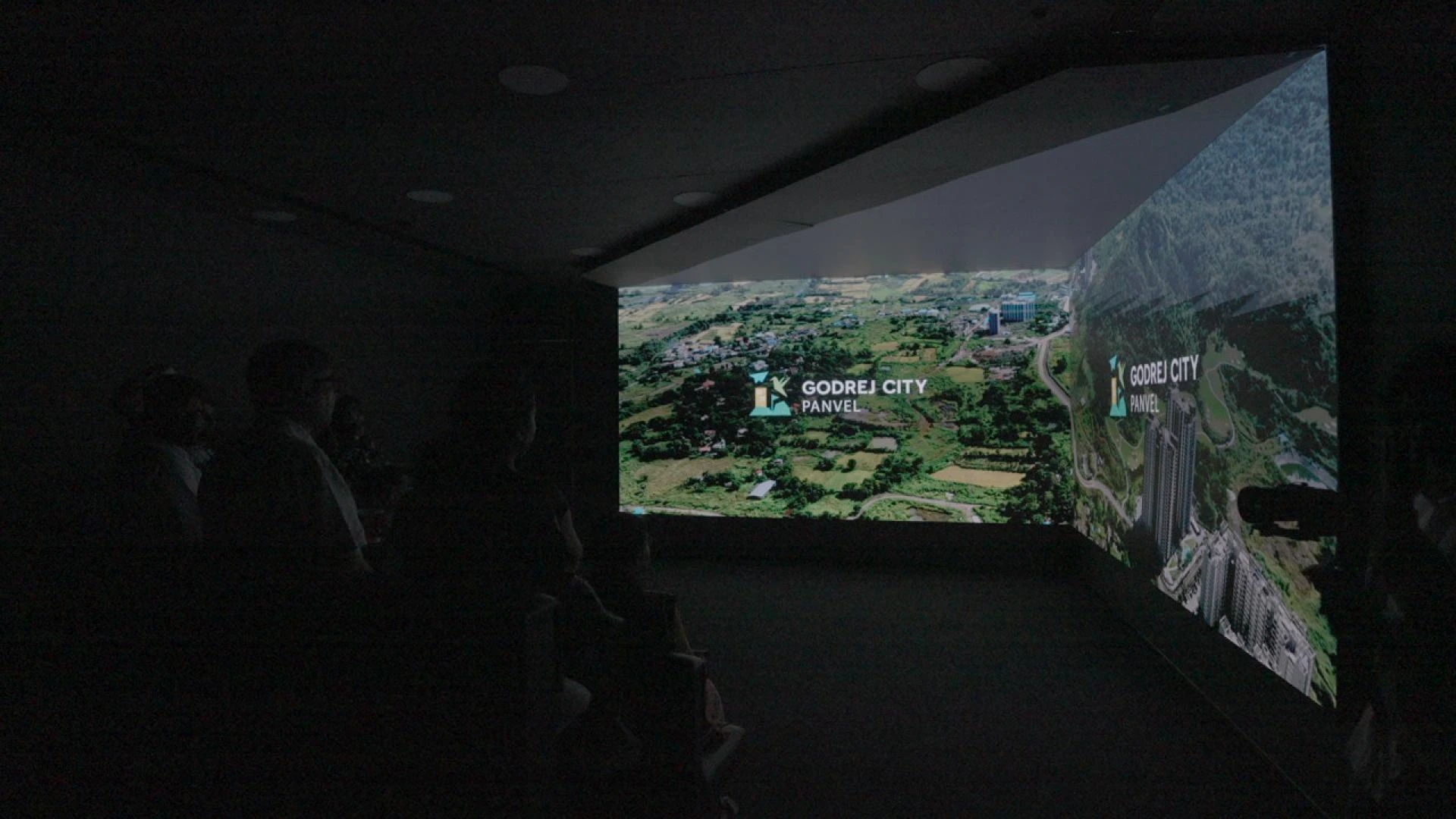
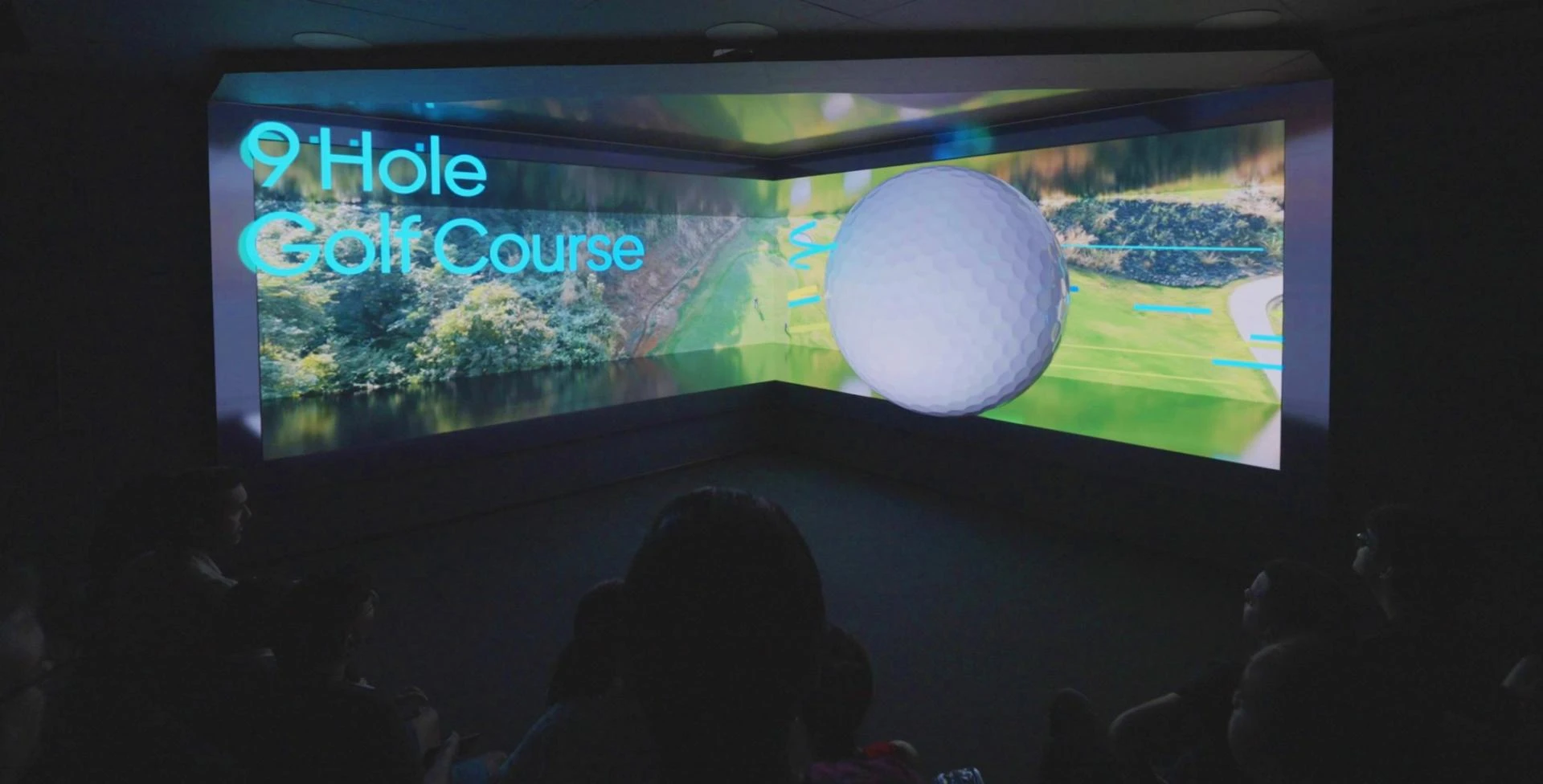
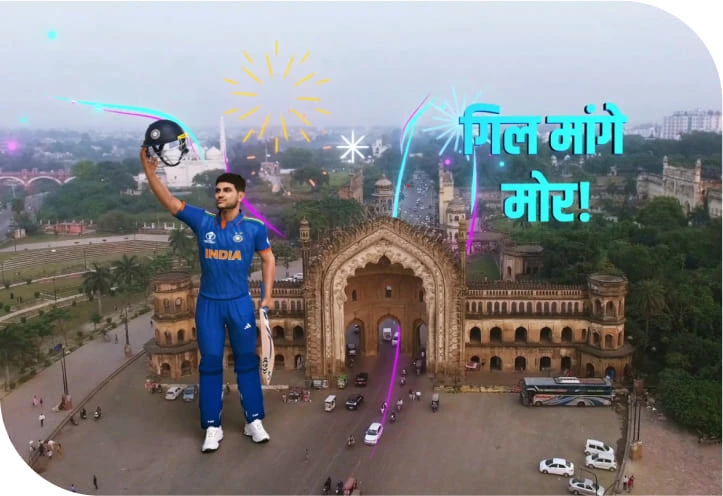
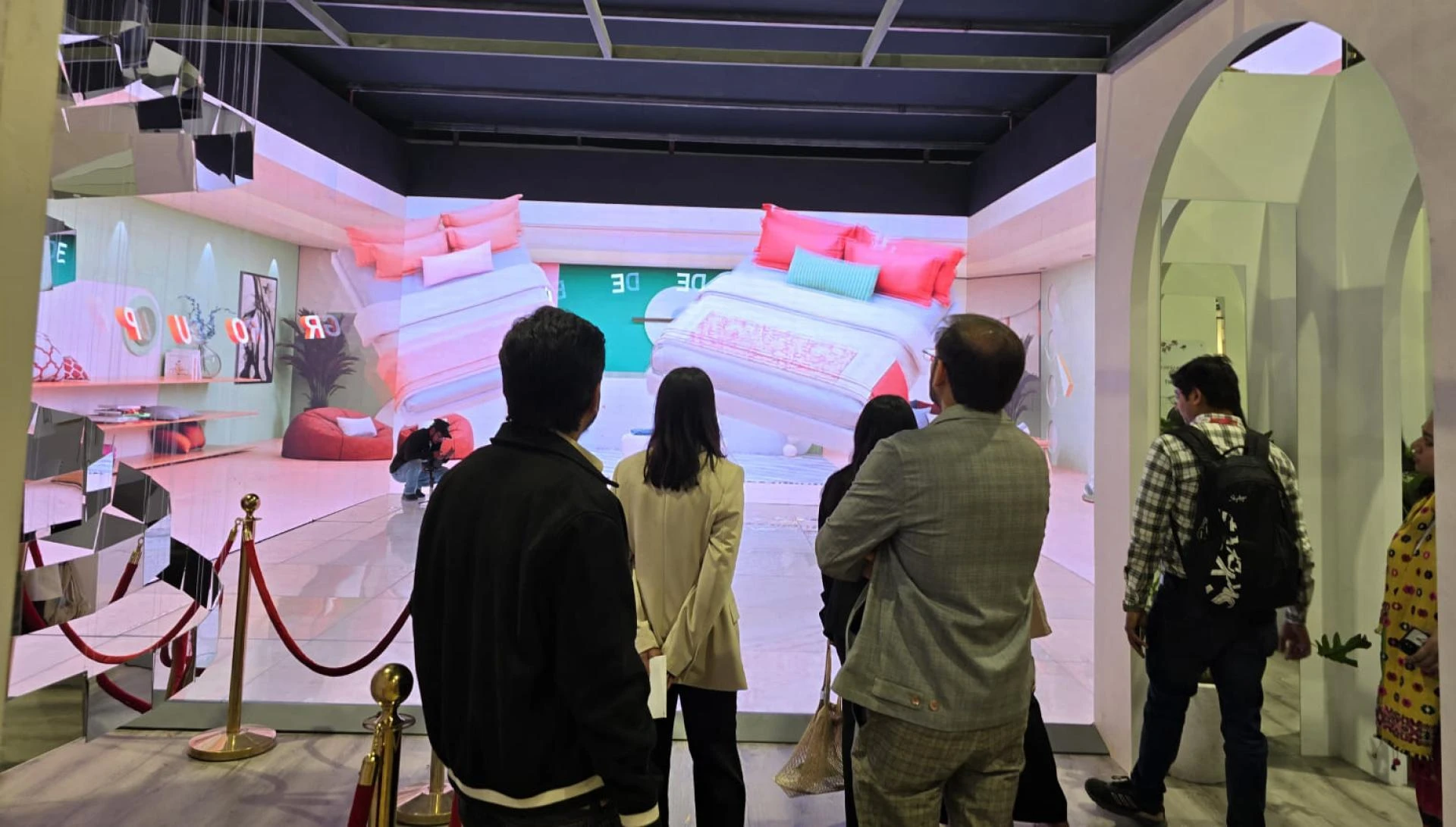
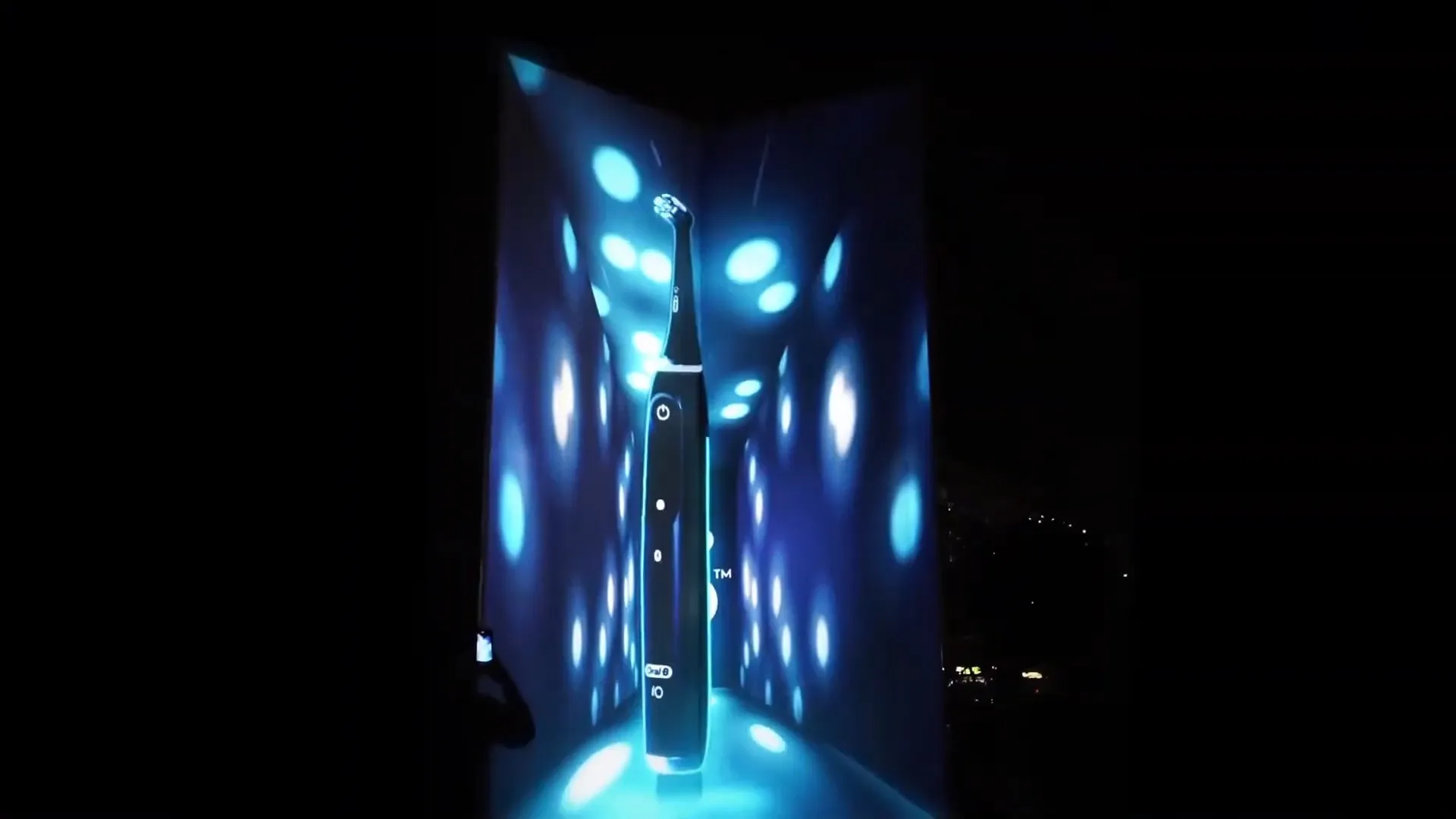
This led to the creation of an immersive environment that used 3d anamorphic illusion technology—a technique that creates genuine three-dimensional effects from precisely distorted 2D surfaces. When viewed from specific angles, flat images appear to extend into physical space, creating a powerful sensory trick that the brain perceives as reality.
Here's what makes this different from conventional immersive tech: it wasn't about overwhelming visitors with high-tech gadgetry. It was about creating a specific, choreographed moment of genuine surprise. When someone sees something they know is impossible—a real airport materializing in a room—something shifts in how they process information.
That moment of astonishment opens a cognitive door. Their brain stops categorizing this as "marketing material" and starts categorizing it as "something I actually experienced." This shift is everything.
The Three-Act Structure That Matters
The real genius wasn't in the technology. It was in the sequencing.
Opening with credibility: Before asking anyone to believe in a future vision, you establish that you've delivered real results in the past. Godrej showcased completed projects—actual buildings, actual communities, actual proof. This wasn't about boasting. It was about creating a baseline of trust against which the future vision would be evaluated.
Grounding in the present: Next came the current reality. Visitors saw the construction site as it actually existed. Raw, incomplete, but undeniably real. This step matters because it prevents the experience from feeling like pure fantasy. You're saying: "Here's where we are today. Now let me show you where we're going."
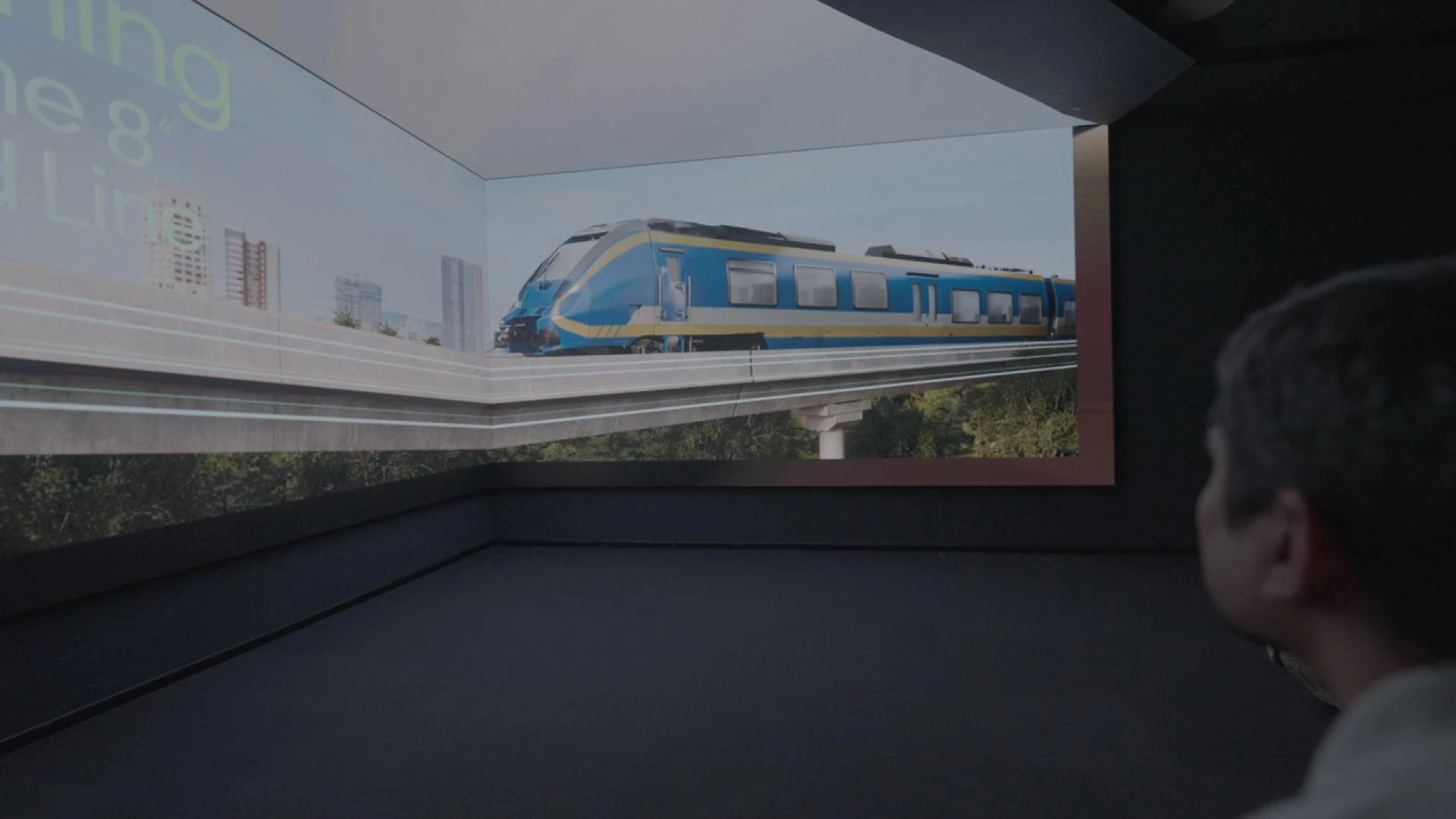
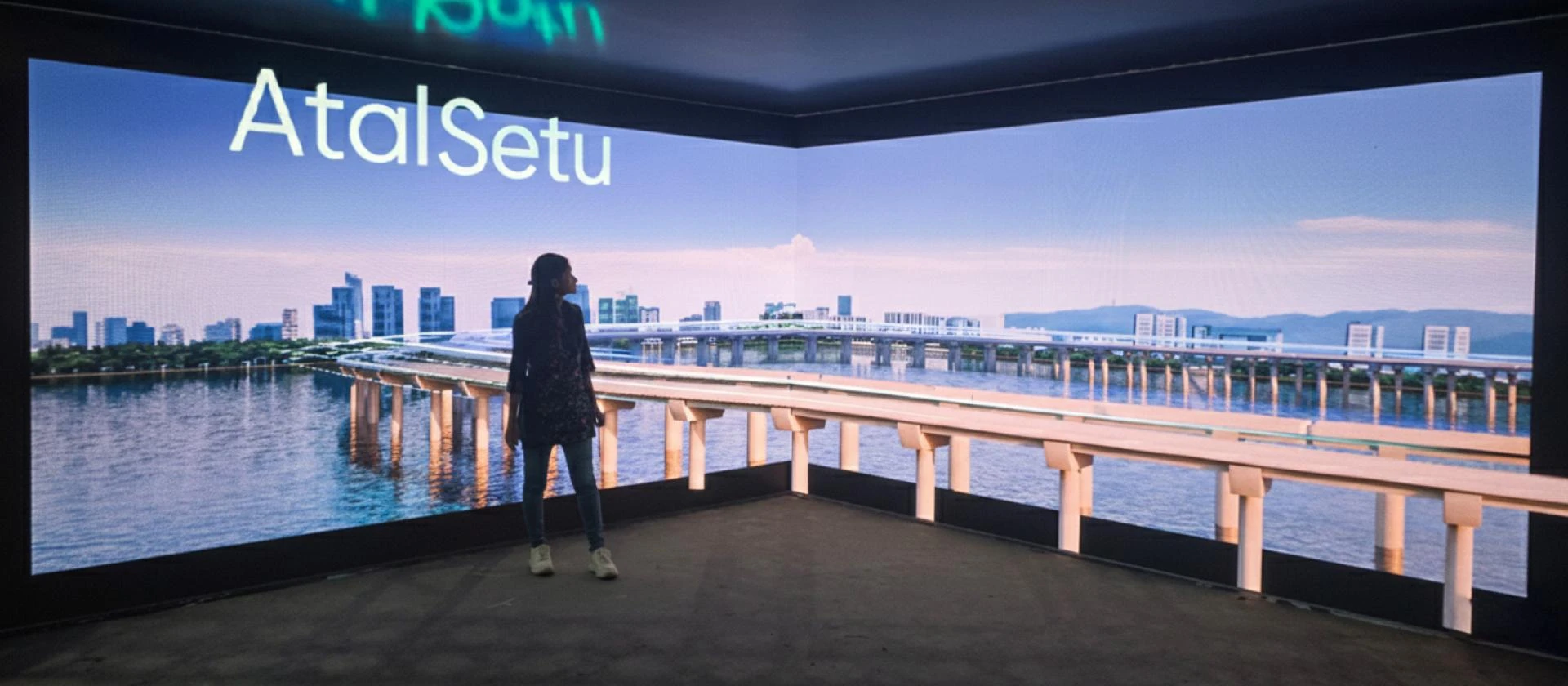
Revealing the transformed view: This is when anamorphic illusion technology delivered its payload. Using precisely calibrated distortions, the space showed visitors what their experience would actually be in the completed development. The airport appeared. The sea link materialized. The skyline transformed. For 180 seconds, buyers weren't looking at renderings. They were looking at their future.
The psychological impact was profound. Buyers left the experience not with more information, but with a visceral understanding they couldn't articulate but absolutely believed.
The Conversion Engine That Followed
A memorable moment is wasted if it doesn't drive business results. The design understood this, which is why the experience didn't end with visual spectacle.
Immediately after the immersive revelation, visitors moved to multi-user touch tables where they could interact with the data themselves. This transition was deliberate: it shifted control from the presenter to the visitor. They could now explore what they cared about—commute times, unit layouts, amenity proximity, view quality at different times of day.
Every interaction was recorded. Every selection, every saved bookmark, every scenario tested. This created a data profile for each visitor that was far more valuable than any traditional lead form. The sales team didn't have to guess what motivated a prospect. They had direct evidence of their priorities.
A QR code sent the experience to each visitor's phone, letting them revisit and continue exploring at home. This extended engagement outside the physical space and set expectations for a follow-up experience that matched the quality of what they'd just encountered.
The results were staggering: over 5,400 visitors processed monthly, 15+ people per session, and the entire narrative arc—from skepticism to conviction—completed in just 180 seconds.
The Broader Principle at Work
This model reveals something important about how modern buyers actually make decisions.
They don't trust information until they've experienced something. You can tell someone a neighborhood is vibrant. You can show them photos. But if they can actually see what being there will feel like—the proximity of amenities, the view, the community density—they move from consumers of marketing to participants in a story.
Anamorphic illusion technology works because it exploits a fundamental aspect of human perception: we believe what we see more than what we're told. By creating a moment where something visually impossible becomes visually real, the experience becomes harder to dismiss as typical marketing.
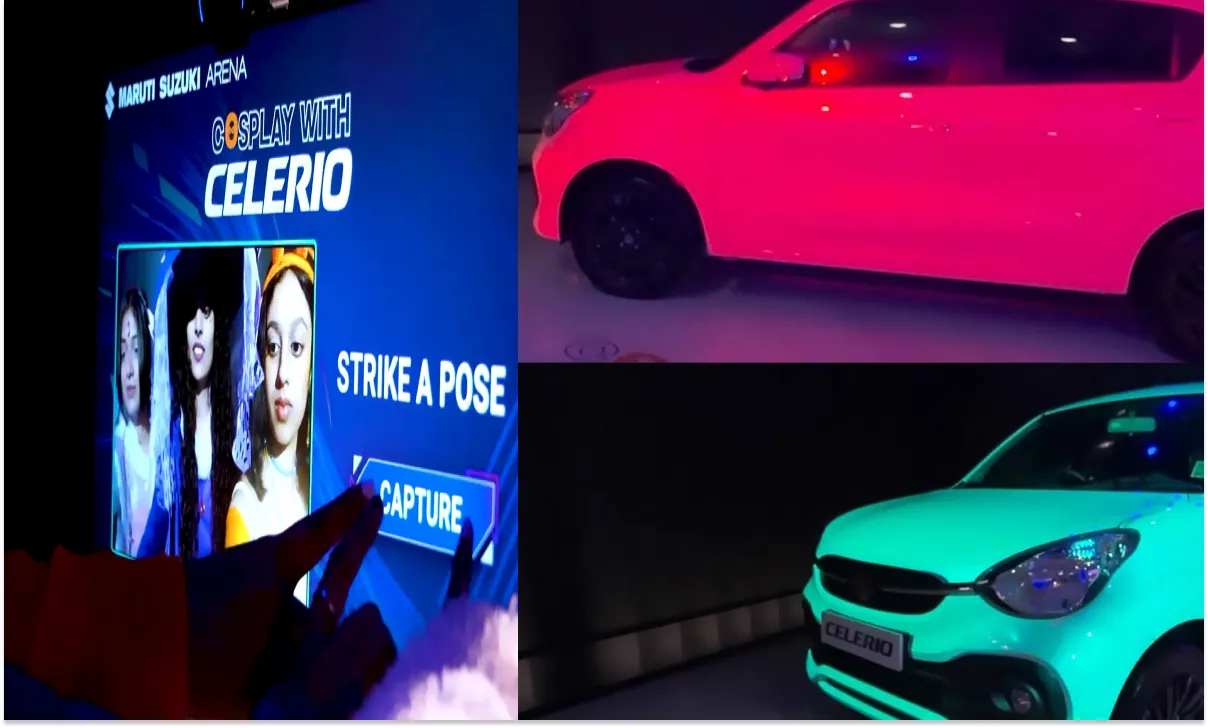
This doesn't just work in real estate. The principle applies anywhere you're selling something with spatial, temporal, or perceptual complexity. Product launches, architectural projects, urban planning initiatives, even brand experiences—all benefit from this core insight: immersion moves mountains of skepticism.
Practical Lessons for Your Organization
If you're responsible for sales or marketing environments, consider where your current approach might be creating unnecessary friction.
Where do visitors arrive skeptical and leave unchanged? That's your conversion gap. Where do they have questions your materials can't adequately answer? That's where immersion could shift the dynamic.
The beauty of immersive design isn't that it's new. It's that it aligns with how human brains actually work. We're visual, spatial creatures. We make decisions based on what we feel, then we rationalize those decisions with logic. Immersive experiences let you move people to conviction before logic even enters the conversation.
This doesn't mean every showroom needs cutting-edge technology. It means every showroom should be designed to let people experience, not just observe, what you're offering.
Taking the Next Step
Building an immersive showroom or sales environment requires partnership with professionals who understand both the technology and the psychology. The tool is secondary. The strategy is everything.
If your brand involves selling something complex, future-focused, or spatially significant, start by auditing your current experience. Where do people move from engaged to disengaged? What information could be transformed from "explained" to "experienced"?
Then explore how immersive technologies—like 3d anamorphic illusion effects—could close those gaps. The goal isn't flashiness. The goal is compression: taking the time someone needs to build conviction and shrinking it from months to minutes.
Want to explore how immersive experiences could transform your sales environment? Connect with Inkincaps to discuss how we've helped brands create showrooms that sell.


























Sign in to leave a comment.