
Storytelling has always been about space. Whether it is the margins of a book or the dimensions of a stage, a story needs room to breathe. Today, that space is expanding. Emerging creators are no longer confined to flat screens; they are building "architectures of awe" using augmented reality services to place narratives directly into the viewer's world.
For a new generation of digital storytellers, the challenge isn't just learning the software—it is understanding how to maintain a human connection when the medium is high-tech.
The New Narrative Dimensions
In traditional media, the audience is an observer. In immersive environments, the audience is a participant. This shift requires a fundamental change in content strategy. When we look at augmented reality in fashion or the heavy-duty world of the augmented reality in automotive industry, the goal is the same: to make the invisible, visible.
In fashion, this might mean revealing the digital "soul" of a garment—showing the movement of fabric that hasn't been sewn yet. In automotive, it’s about peeling back the chassis to show the engineering marvels beneath. These aren't just visual effects; they are layers of meaning that build a stronger brand voice.
Case Study: Scaling the Narrative at Bharat Tex
The Situation: For the Bharat Tex 2024 expo, textile leader Trident needed to showcase its global impact within the "Digital Bharat" pavilion.
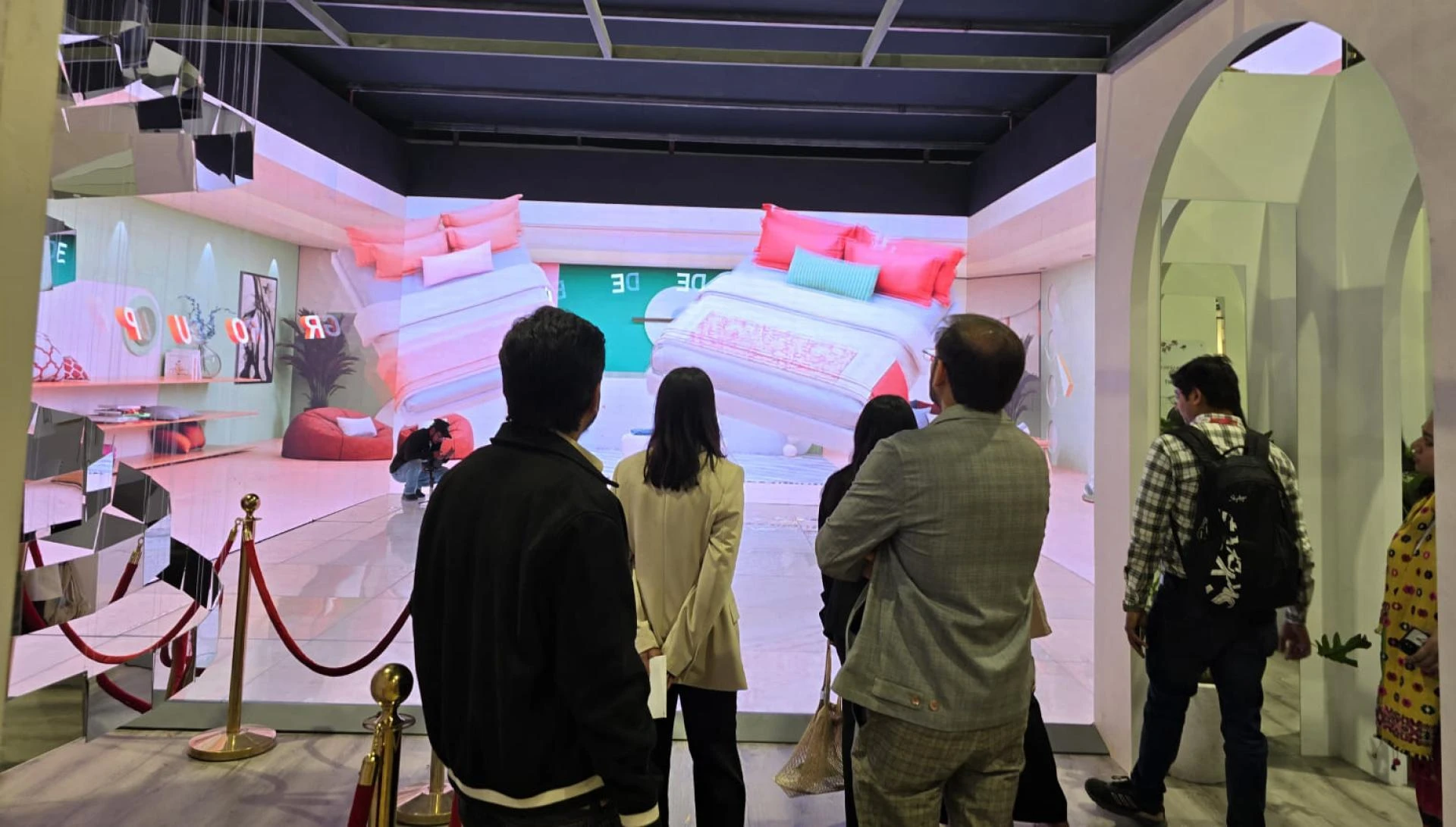
The Challenge: We had to translate a massive corporate history into an engaging 360-degree visual journey using high-resolution LED screens under a very tight deadline.
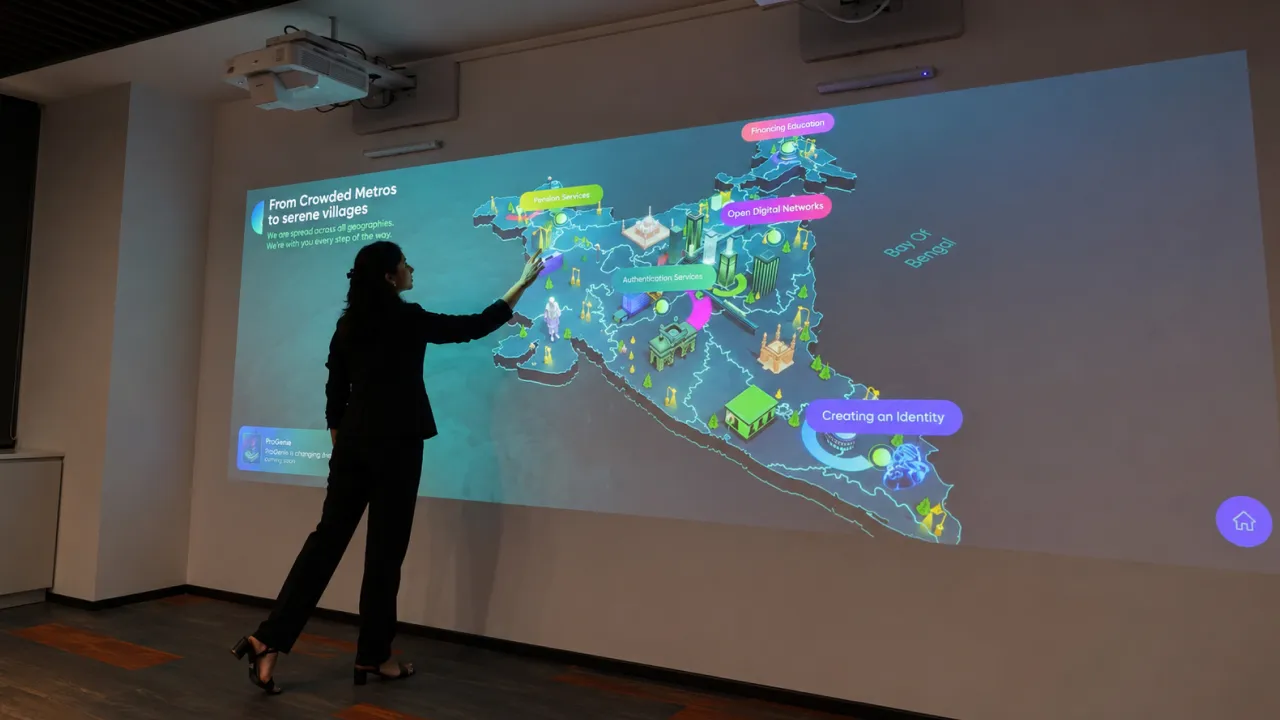
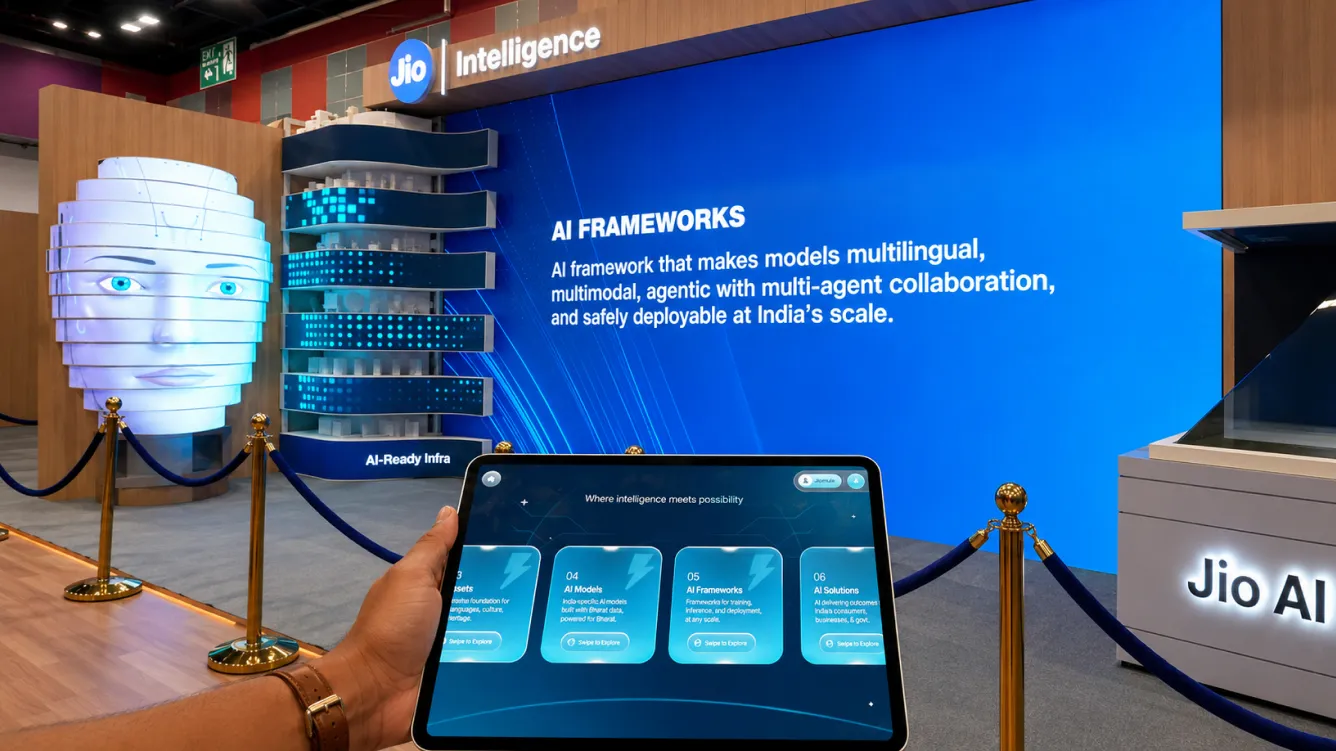
The Outcome: By developing an immersive room featuring 3D anamorphic illusions, the experience drew over 10,000 visitors, proving that complex industrial stories can become captivating public experiences through thoughtful tech integration.
Designing for Human Presence
When working with ar in fashion or augmented reality clothing, it is easy to get lost in the "wow" factor. However, the most effective creators remember that tech should serve the story, not the other way around.
A successful immersive experience follows a logical flow:
- Context: Why does this digital layer need to exist?
- Scale: Does the 3D element respect the physical space of the viewer?
- Value: Does the interaction leave the user with a deeper understanding than a 2D image could?
Whether you are designing augmented reality fashion for a runway or a digital showroom, the "awe" comes from the seamlessness of the experience. The moment a user forgets they are looking at a digital overlay is the moment the story truly begins.
The Horizon of Immersive Media
As we move deeper into this decade, the tools for long-form writing and digital publishing will continue to merge with spatial computing. We are moving toward a world where stories aren't just read or watched—they are inhabited.
At Ink In Caps, we view ourselves as architects of these digital spaces. We believe that the future of communication lies in the balance between technical precision and grounded, honest storytelling. By focusing on the "why" before the "how," we help brands turn fleeting moments of attention into lasting impressions.
Explore our work.



























Sign in to leave a comment.