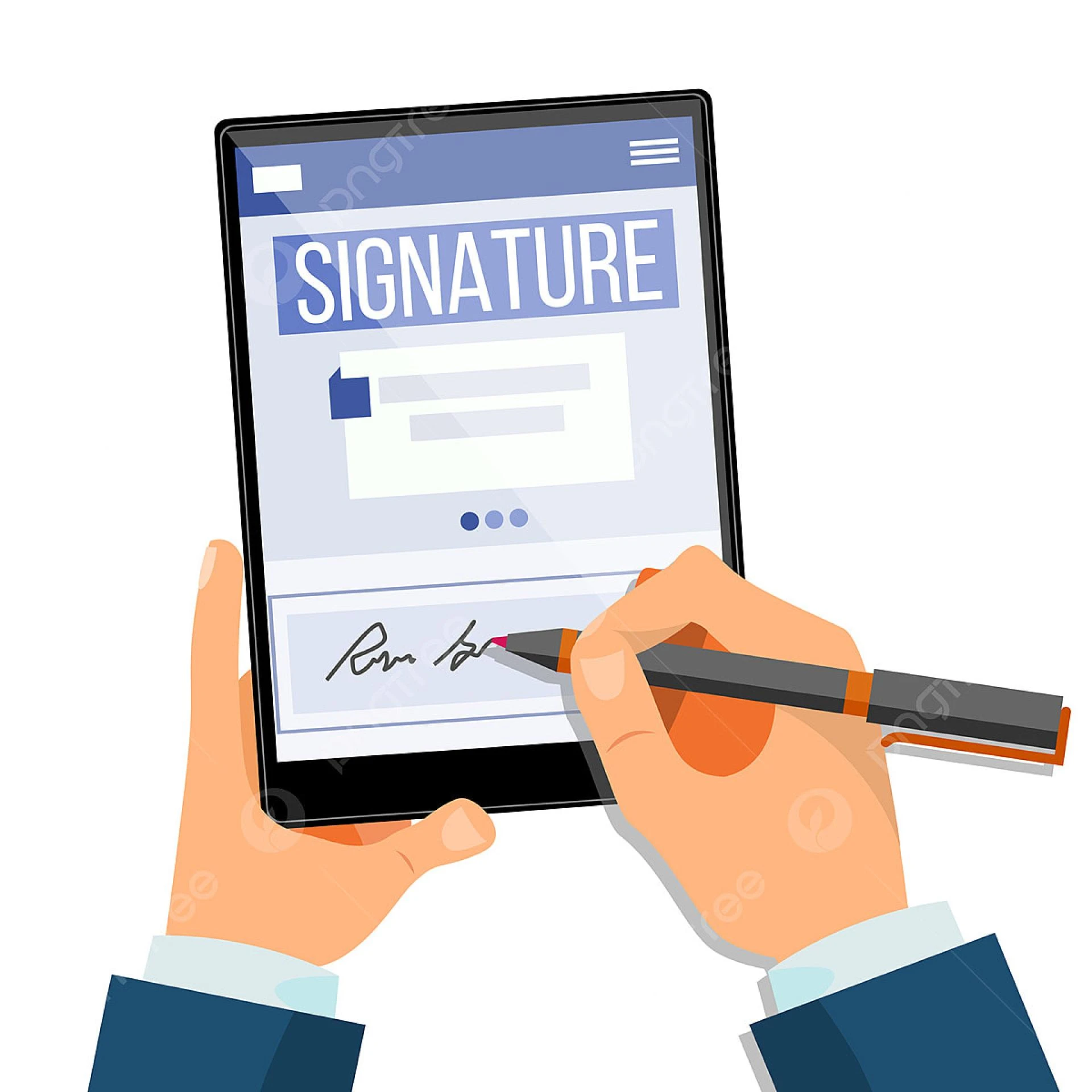
The adoption of electronic signatures (eSign) has accelerated in India, especially with the rise of Aadhaar-based eSign. Businesses of all sizes are looking for faster, more secure, and legally valid ways to complete agreements. However, like any technology shift, moving to eSign is not always smooth. Many organizations encounter challenges that slow down adoption or create hesitation among employees and customers.
If you’re planning to implement eSign in your business, it helps to understand these hurdles in advance and prepare solutions. Let’s break down the 5 most common challenges in eSign adoption—and how you can overcome them.
1. Trust and Legal Concerns
The challenge:
Many people still believe that only a handwritten signature is “valid.” Businesses, especially in industries like finance and real estate, sometimes hesitate to switch because they worry about whether eSignatures will stand up in court.
The solution:
Educating stakeholders is key. Aadhaar eSign is fully compliant with the IT Act 2000, making it legally valid in India. Organizations can conduct awareness sessions or share case studies showing how legally enforceable eSigned contracts are. Once people see that banks, NBFCs, and even government departments use Aadhaar eSign, confidence increases.
2. Technical Glitches During OTP Verification
The challenge:
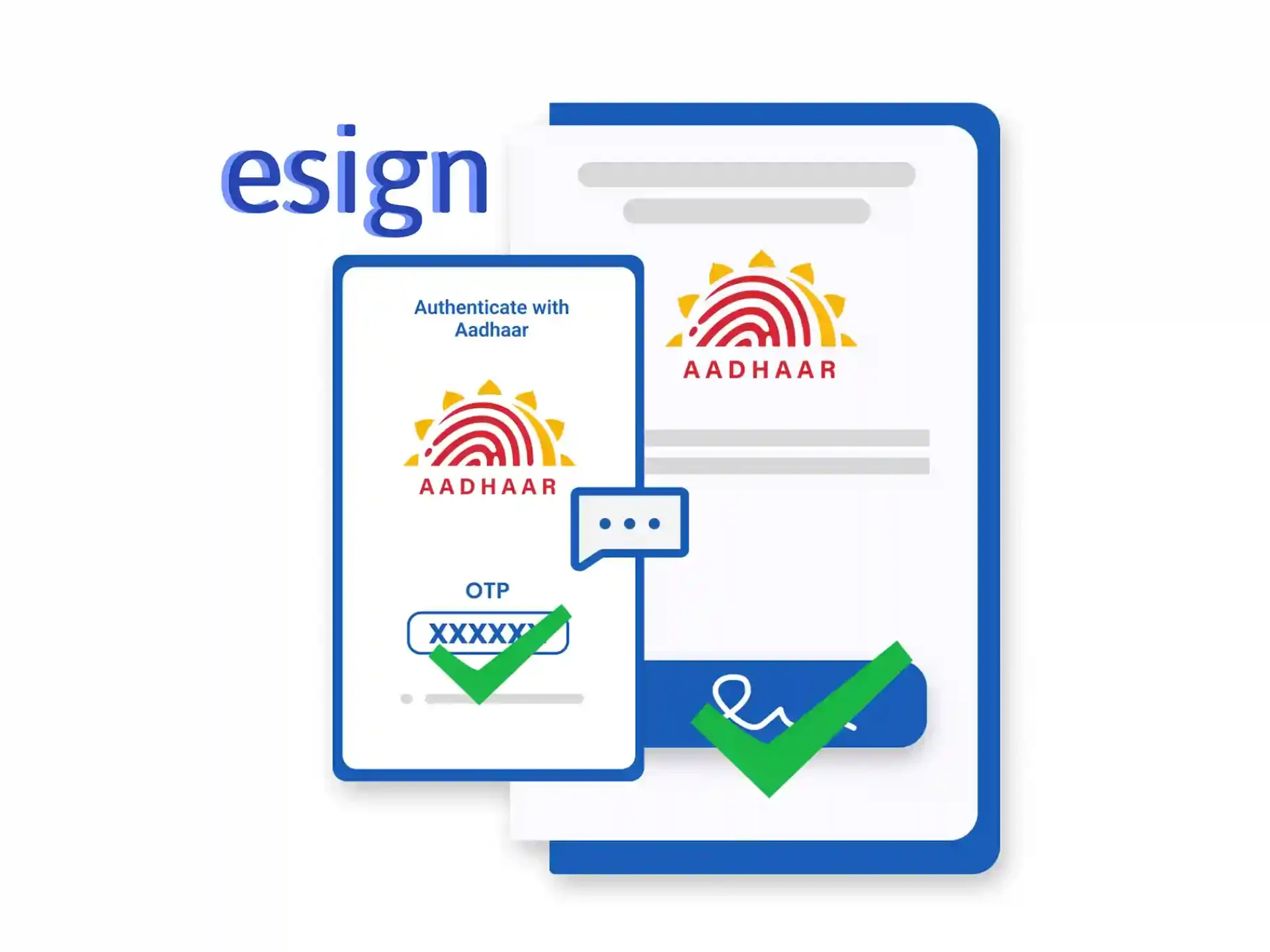
Since Aadhaar eSign works on OTP authentication, network issues or delays in receiving OTPs can sometimes frustrate users. Inconsistent mobile connectivity, especially in remote areas, may cause signing delays.
The solution:
Have fallback mechanisms. Businesses can encourage users to keep Aadhaar-linked mobile numbers updated and accessible. For critical workflows, providing an option to retry OTPs or scheduling signing sessions during better connectivity hours helps reduce friction. Additionally, choosing a reliable eSign service provider improves success rates significantly.
3. Resistance to Change from Employees or Clients
The challenge:
People are naturally resistant to new processes. Employees may prefer the “old way” of signing documents, while clients may worry about security or simply not want to try something unfamiliar.
The solution:
Start small. Instead of overhauling everything at once, introduce eSign in simple, low-risk documents—like internal HR approvals or employee onboarding forms. Once users experience the speed and convenience, they are more likely to adopt it for bigger contracts. Offering guided demos or step-by-step instructions also makes the process less intimidating.
4. Integration with Existing Business Systems
The challenge:
Companies often rely on multiple tools—CRM, ERP, HRMS, or finance software. If eSign doesn’t integrate smoothly, it can feel like an extra step rather than a helpful tool.
The solution:
Look for eSign providers that offer API integration or compatibility with your existing systems. For example, Aadhaar eSign can be integrated directly into CRM platforms, making it possible to send and receive signed documents without leaving the workflow. A seamless experience encourages wider adoption.
5. Perception of Security Risks
The challenge:
Some businesses fear that digital signatures can be forged, tampered with, or misused. This creates hesitation, especially when dealing with sensitive data or high-value contracts.
The solution:
Highlight the fact that Aadhaar eSign uses public key infrastructure (PKI) and Aadhaar OTP authentication, which makes it highly secure. Unlike physical signatures, which can easily be forged, Aadhaar eSign provides verifiable audit trails and tamper-proof records. Sharing these details reassures decision-makers that the system is actually safer than traditional signing.
Final Thoughts
The challenges in adopting eSign are real, but none of them are insurmountable. With the right strategy—education, reliable technology, step-by-step onboarding, and clear communication—businesses can overcome these hurdles and unlock the full benefits of Aadhaar eSign.
In 2025, going paperless is no longer just about convenience—it’s about staying competitive. Companies that address these challenges early will find themselves ahead in terms of speed, compliance, and customer satisfaction.





















Sign in to leave a comment.