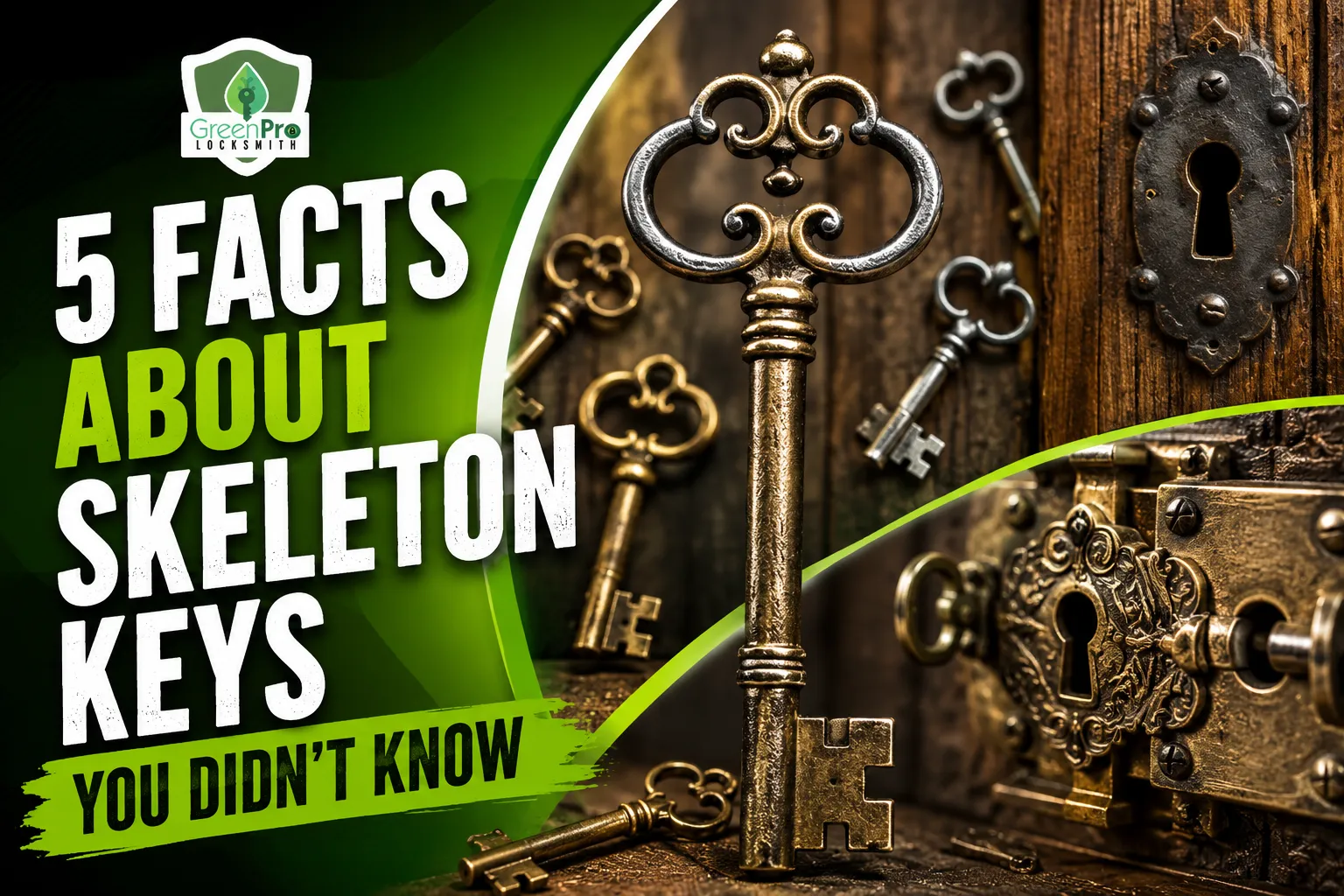

Skeleton keys have a unique place in the history of locks and security. While modern homes and businesses rely on advanced lock systems, skeleton keys remain a fascinating part of locksmith history. Their distinctive design and association with antique locks often spark curiosity among homeowners, collectors, and history enthusiasts alike.
If you've ever seen an old-fashioned key with a simple shaft and decorative bow, chances are it was a skeleton key. Many people encounter these keys in older homes or vintage furniture and wonder about their purpose. Even today, a professional locksmith in lawrenceville may occasionally work with antique locks that use skeleton key mechanisms.
Let's explore five interesting facts about skeleton keys that you may not know.
1. Skeleton Keys Were Designed for Warded Locks
One of the most important facts about skeleton keys is that they were specifically designed to operate warded locks.
A warded lock contains internal obstructions, known as wards, that prevent incorrect keys from turning. A skeleton key is cut or shaped so that it can bypass these wards and engage the locking mechanism.
This design made skeleton keys practical for a wide variety of locks that shared similar internal configurations. Warded locks were commonly used in homes, furniture, cabinets, and buildings for many years before more advanced lock technologies became available.
2. Not Every Skeleton Key Opens Every Lock
A common misconception is that a single skeleton key can unlock every door. While movies and television often portray them this way, the reality is quite different.
Skeleton keys were designed to work with specific groups of warded locks. Although some keys could open multiple locks, they were not universal.
The key still needed to fit the lock's size and internal structure. Different manufacturers produced different lock designs, meaning that compatibility varied considerably.
As a result, finding a skeleton key that works with a particular antique lock often requires some trial and error or professional assistance.
3. Skeleton Keys Played an Important Role in Lock History
Before modern pin tumbler locks became widespread, warded locks dominated the security industry.
Skeleton keys were a practical solution during this era because they provided a simple and effective way to operate these locking systems.
Today, many people wonder what a skeleton key is and how it was traditionally used to open warded locks. Understanding this historical role helps explain why skeleton keys became so common in older homes, churches, schools, and public buildings.
Although security technology has advanced significantly, skeleton keys remain an important part of the evolution of locks and locksmithing.
4. Many Skeleton Keys Are Valuable Collectibles
Skeleton keys are not only functional tools from the past—they can also be valuable collectibles.
Collectors often seek antique keys because of their:
- Historical significance
- Unique craftsmanship
- Decorative designs
- Connection to specific time periods
Some skeleton keys feature intricate patterns, ornate bows, and handcrafted details that reflect the artistry of their era.
Vintage stores, antique markets, and estate sales frequently offer skeleton keys for display purposes. Certain rare keys may even have significant monetary value depending on their age, condition, and origin.
For many collectors, the appeal lies in owning a small piece of security history.
5. Modern Locks Offer Far Better Security
While skeleton keys are fascinating, they also highlight how far lock technology has progressed.
Traditional warded locks provided basic security for their time, but they are generally much easier to bypass than modern lock systems.
Today's security options include:
- Deadbolt locks
- High-security cylinders
- Smart locks
- Keyless entry systems
- Electronic access control
Modern locks are designed to resist picking, bumping, and unauthorized access far more effectively than older warded locks.
If your home still relies on antique locking hardware, upgrading to a newer system can improve both security and peace of mind while preserving the charm of older architectural features.
Why Skeleton Keys Remain Popular Today
Even though they are no longer commonly used for everyday security, skeleton keys continue to capture people's imagination.
They are often featured in:
- Antique collections
- Historical museums
- Home décor displays
- Vintage furniture restoration projects
- Historical property renovations
Their distinctive appearance and rich history make them a symbol of traditional craftsmanship and early lock design.
Conclusion
Skeleton keys may seem mysterious, but they played a practical role in the development of locking systems for centuries. From their use with warded locks to their status as collectible antiques, these unique keys offer a fascinating glimpse into the history of security.
While they are no longer considered a secure option for modern properties, skeleton keys remain an important part of locksmithing heritage. Understanding how they worked and why they were used helps homeowners appreciate just how much lock technology has evolved over time.
FAQs
What is a skeleton key?
A skeleton key is a specially shaped key designed to bypass the wards inside a warded lock and operate the locking mechanism.
Can a skeleton key open any lock?
No. Skeleton keys are not universal and generally only work with compatible warded locks.
Are skeleton keys still used today?
They are rarely used for modern security but are still found in antique locks, vintage furniture, and collectible displays.
Are skeleton key locks secure?
Compared to modern lock systems, traditional warded locks provide relatively low security and are easier to bypass.
Can a locksmith make a replacement skeleton key?
In many cases, a locksmith can create or source a replacement key for certain antique locks, depending on the lock's condition and design.




























Sign in to leave a comment.