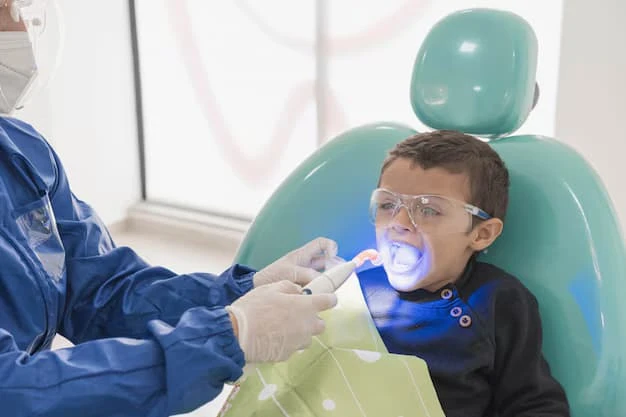

As parents, ensuring the dental health of your children is a vital aspect of their overall well-being. Pediatric dentists specialize in the unique needs of children, offering a range of procedures that help maintain and improve oral health. Understanding these procedures can help parents make informed decisions about their child's dental care. Here are five key pediatric dental procedures every parent should know about.
1. Regular Check-ups and Cleanings
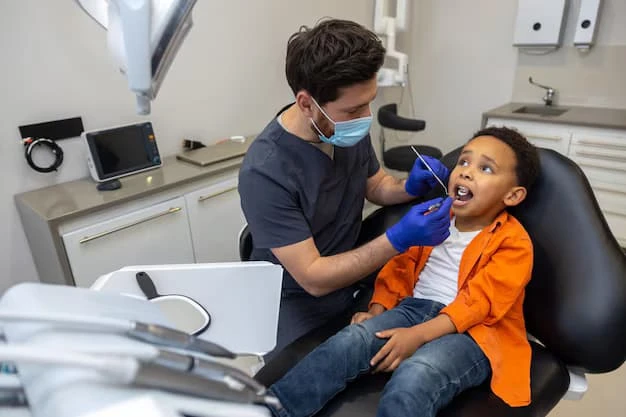
Regular dental check-ups and cleanings are foundational to maintaining a child’s oral health. Pediatric dentists recommend that children begin visiting the dentist by their first birthday and continue with check-ups every six months. These visits serve several important purposes.
During a check-up, the dentist will conduct a thorough examination of the child’s teeth and gums, looking for signs of cavities, decay, or other dental issues. This early detection is crucial, as it allows for timely intervention that can prevent more serious problems down the road. Additionally, the dentist will perform a professional cleaning to remove plaque and tartar buildup, which can contribute to tooth decay and gum disease.
These visits are also an opportunity for dentists to educate both parents and children about good oral hygiene practices. They can provide tips on proper brushing and flossing techniques, dietary choices that support dental health, and the importance of maintaining regular dental visits.
2. Fluoride Treatments
Fluoride treatments are an essential preventative measure in pediatric dentistry. Fluoride is a naturally occurring mineral that helps strengthen tooth enamel and makes it more resistant to decay. Pediatric dentists often recommend fluoride treatments, especially for children who are at higher risk for cavities.
Fluoride treatments are quick and painless, typically involving the application of a concentrated fluoride gel or varnish directly onto the teeth. This treatment can significantly reduce the risk of developing cavities, particularly in young children who may struggle with proper brushing techniques. Regular fluoride treatments, combined with a good oral hygiene routine, can help ensure that children maintain healthy teeth as they grow.
3. Dental Sealants
Dental sealants are another effective preventative measure widely used in pediatric dentistry. Sealants are thin, protective coatings applied to the chewing surfaces of the back teeth, where cavities are most likely to form. The application of sealants is a straightforward process that can be completed in just one dental visit.
During the procedure, the dentist will clean the teeth and then apply the sealant material, which bonds to the enamel and creates a barrier against food particles and plaque. Sealants can reduce the risk of cavities in molars by up to 80%, making them a valuable addition to a child’s preventative dental care routine. Pediatric dentists typically recommend sealants for children once their permanent molars erupt, usually around the ages of six and twelve.
4. Treatment for Cavities
Despite the best preventative measures, cavities can still occur. Pediatric dentists are equipped to handle cavities effectively and compassionately. If a cavity is detected during a check-up, the dentist will explain the treatment options available, which may include a filling.
The filling process generally involves numbing the area around the affected tooth to ensure the child is comfortable throughout the procedure. The dentist will then remove the decayed portion of the tooth and fill it with a material that matches the natural tooth color. This not only restores the tooth’s function but also helps preserve its appearance.
In some cases, if a cavity is particularly severe or if a child has multiple cavities, the dentist may recommend additional treatments, such as a crown or, in rare cases, extraction. The dentist will discuss the best approach tailored to the child’s specific needs, ensuring that parents are well-informed about the process.
5. Orthodontic Evaluations
Orthodontic evaluations are an essential part of pediatric dental care, especially as children approach the age of seven when their permanent teeth begin to emerge. Early assessments allow pediatric dentists to identify potential alignment issues and provide early intervention if necessary.
During an orthodontic evaluation, the dentist will check for signs of crowding, misalignment, or bite problems. If any issues are detected, the dentist may refer the child to an orthodontist for further evaluation. Early intervention can often reduce the need for extensive orthodontic treatment later on and can guide the proper growth and alignment of the teeth and jaws.
Pediatric dentists play a crucial role in educating parents about the importance of monitoring dental development and making informed decisions regarding orthodontic care. They can provide insights into the best timing for braces or other orthodontic appliances based on the child's unique dental development.
Fostering Positive Dental Experiences
As children undergo various dental procedures, it is essential to foster a positive attitude toward dental visits. Pediatric dentists are specially trained to work with children, ensuring that the environment is friendly and non-threatening. They often use child-friendly language and techniques to ease anxiety and encourage cooperation.
Parents can also play an active role in promoting a positive dental experience. Discussing dental visits in a positive light and offering praise for bravery during appointments can help children develop a healthy relationship with dental care. Creating a routine that includes regular dental visits can reinforce the importance of oral health and help children feel more comfortable in the dental chair.
By understanding these five key pediatric dental procedures, parents can be better prepared to support their children's dental health. Regular check-ups, fluoride treatments, dental sealants, cavity treatments, and orthodontic evaluations are all critical components of a comprehensive dental care plan. Working closely with a pediatric dentist ensures that children receive the care they need to maintain healthy smiles for years to come. Emphasizing the importance of early intervention and preventative measures can lead to a lifetime of good oral health habits, building a strong foundation for your child's dental future.




























Sign in to leave a comment.