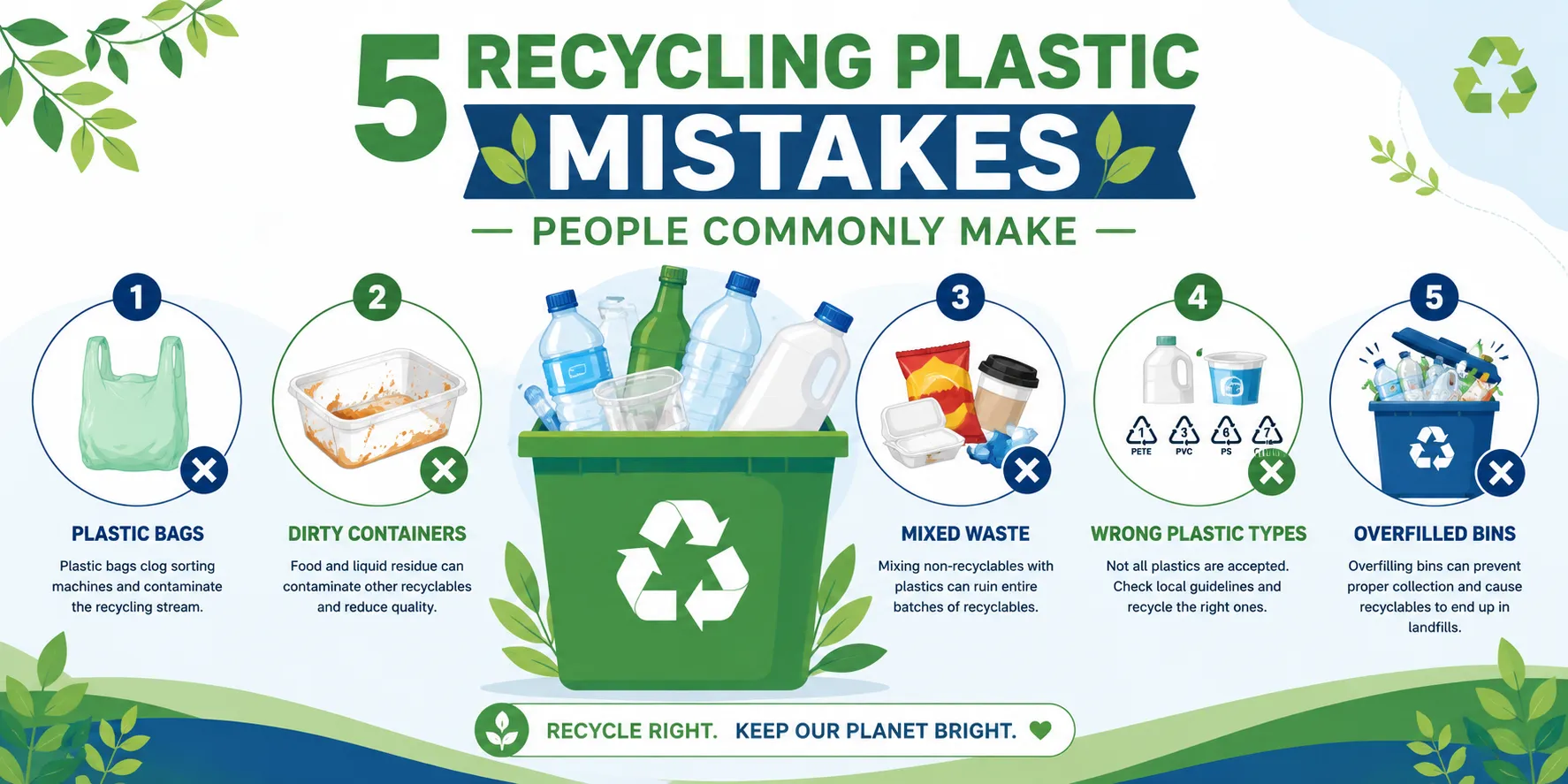

Today, recycling is more important than ever to many American homes. There are many people who practice plastic recycling, but make mistakes while doing it that decrease the efficiency of the recycling. The efficiency of waste management systems can be greatly affected by small actions. From the small things to the proper processing of recyclable items.
Confusion about the kinds of materials that are recyclable and how they need to be prepared often starts the recycling problem. As more and more people become aware, families now make better choices in disposal decisions daily. When discussing recycling news, people talk about the improvements as well as recycling errors that are still being made. Knowing about these common concerns enables the readers to have smarter habits during the article.
Recycling plastic is an important duty that needs to be carried out properly now more than ever before.
Why Proper Plastic Recycling Matters More Than Ever
The Hidden Impact of Contaminated Recycling Bins
Recycling systems depend on clean and correctly sorted materials every day. Incorrect items often contaminate loads and reduce processing efficiency significantly. When contamination occurs, facilities may reject larger batches altogether.
These mistakes create additional handling challenges for workers and equipment. Environmental benefits decrease when recyclable materials end up discarded unnecessarily. Better sorting habits help facilities recover more valuable materials successfully.
What Recent Recycling Trends Reveal
The public awareness about responsible waste management is still on the rise. New sorting equipment technology now enables quicker and more precise material recovery. When the recycling stats are discussed, it is usually not about recycling behavior. But about participation.
In the current news, there is a greater focus on reducing contamination in all programs. Currently, there are more communities that offer better educational information to their citizens.
Assuming Every Plastic Item Belongs in the Recycling Bin
Many recycling errors happen before materials even reach collection trucks. Confusion about plastic types often leads residents toward incorrect disposal choices. Understanding accepted materials helps prevent unnecessary contamination throughout processing systems.
Confusing Recyclable and Non-Recyclable Plastics
Plastic products usually display resin identification numbers on packaging surfaces. These numbers help identify material types used during manufacturing. But not every numbered plastic qualifies for local recycling programs.
Common mistakes include recycling plastic utensils, foam containers, and wrappers. Many residents assume every plastic item belongs inside collection bins.
Ignoring Local Recycling Guidelines
Municipal recycling programs frequently operate under different collection requirements. Materials accepted in one city may face rejection elsewhere. Local guidelines provide the most reliable information for proper sorting.
Checking official collection rules prevents unnecessary contamination and processing delays. Updated instructions often reflect changes in equipment and facility capabilities. Following local guidance improves recycling outcomes across entire communities.
Sending Dirty or Mixed Materials for Processing
Materials that are clean and segregated can be recycled more efficiently. Often, a difference of a few preparation steps makes a big difference during processing. The following practices allow facilities to recover useful materials without undue hassle.
Food Residue That Ruins Entire Loads
Food scraps create contamination problems and an impact on recyclables in no time. Residue left in containers can attract pests and cause an unsightly situation. Equipment also does not work as well with higher levels of contamination.
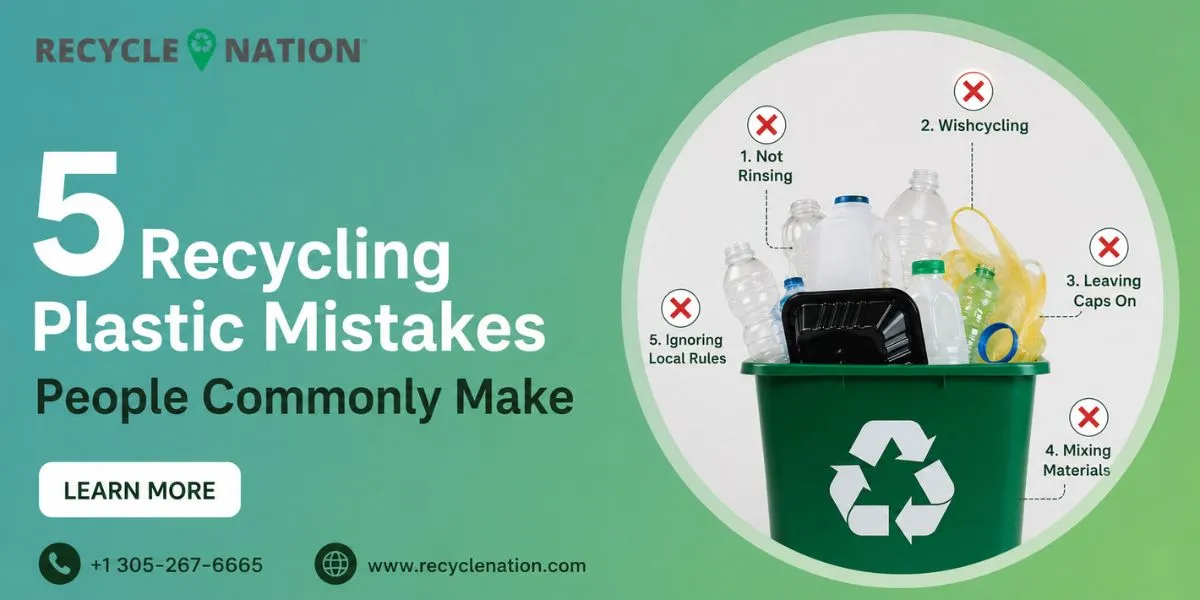
Simple rinsing is needed for plastic bottles, yoghurt containers, and takeout packaging. A quick rinse will wash away most of the residue. And it will not take a long time to clean. Cleaner materials result in greater sorting accuracy across recyclers.
Combining Plastic With Other Materials
Many products are made from combinations of materials. These can be separated before recycling, but must be prepared for recycling. Combination materials pose problems for automated materials handling equipment.
Some forms of packaging are made of plastic, laminated materials, or some containers. Plastic coatings often cause problems in the recycling of paper. Avoid blending components as much as possible to increase material recovery and recycling.
Wishcycling and the Role of Modern Recycling Technology
In a good way, many people want to do their little part in helping the environment, and do it with thought. Unfortunately, well-meaning actions can cause new problems for recycling centres. One of the most prevalent examples of this issue is wishcycling.
What Wishcycling Means
Wishcycling occurs when people recycle uncertain items, hoping acceptance occurs. Instead of checking guidelines, residents place questionable materials inside bins. This practice often increases contamination and slows processing operations.
Common wishcycled items include garden hoses, toys, and plastic bags. Although intentions remain positive, these materials frequently require alternative disposal methods. Verification always works better than guessing during recycling decisions.
How Technology Is Improving Recycling Accuracy
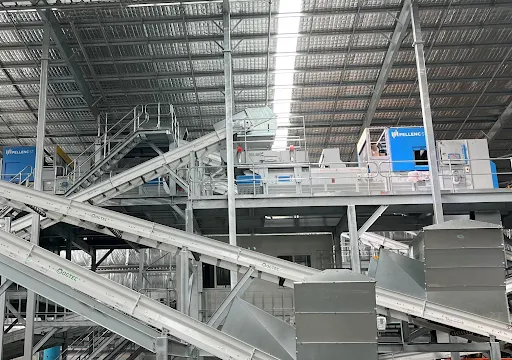
Modern facilities increasingly rely on advanced sorting and identification systems. Many technology recycling innovations help separate materials with greater precision. Optical scanners and automated equipment support faster processing workflows.
Despite these improvements, technology cannot correct every household recycling mistake. Contaminated materials still create challenges before sorting begins. Better habits and smarter technology work best when combined.
FAQs
What plastics are most commonly accepted in curbside recycling programs?
Plastic bottles, jugs, and containers are usually accepted in most curbside programs. Acceptance is subject to local guidelines and processing equipment availability.
Should plastic containers be washed before recycling?
Yes, rinsing containers helps remove food residue before collection. Clean materials move through sorting systems more efficiently. Simple rinsing usually provides sufficient preparation for recycling.
Why do recycling rules differ between cities?
Cities operate different facilities with varying equipment and processing capabilities. Local programs accept materials based on available infrastructure. Reviewing local guidance helps prevent sorting mistakes.
Conclusions
These are small errors that may lead to bigger problems in recycling and waste systems. Adopting the right recycling plastic habits can aid facilities in their processing. Cleaner loads mean less contamination and increased overall recycling efficiency. More attention is given to developments in technology recycling. Then, smarter recycling practices continue to be encouraged. Now is the time to take informed action for better environmental results in the years to come.























Sign in to leave a comment.