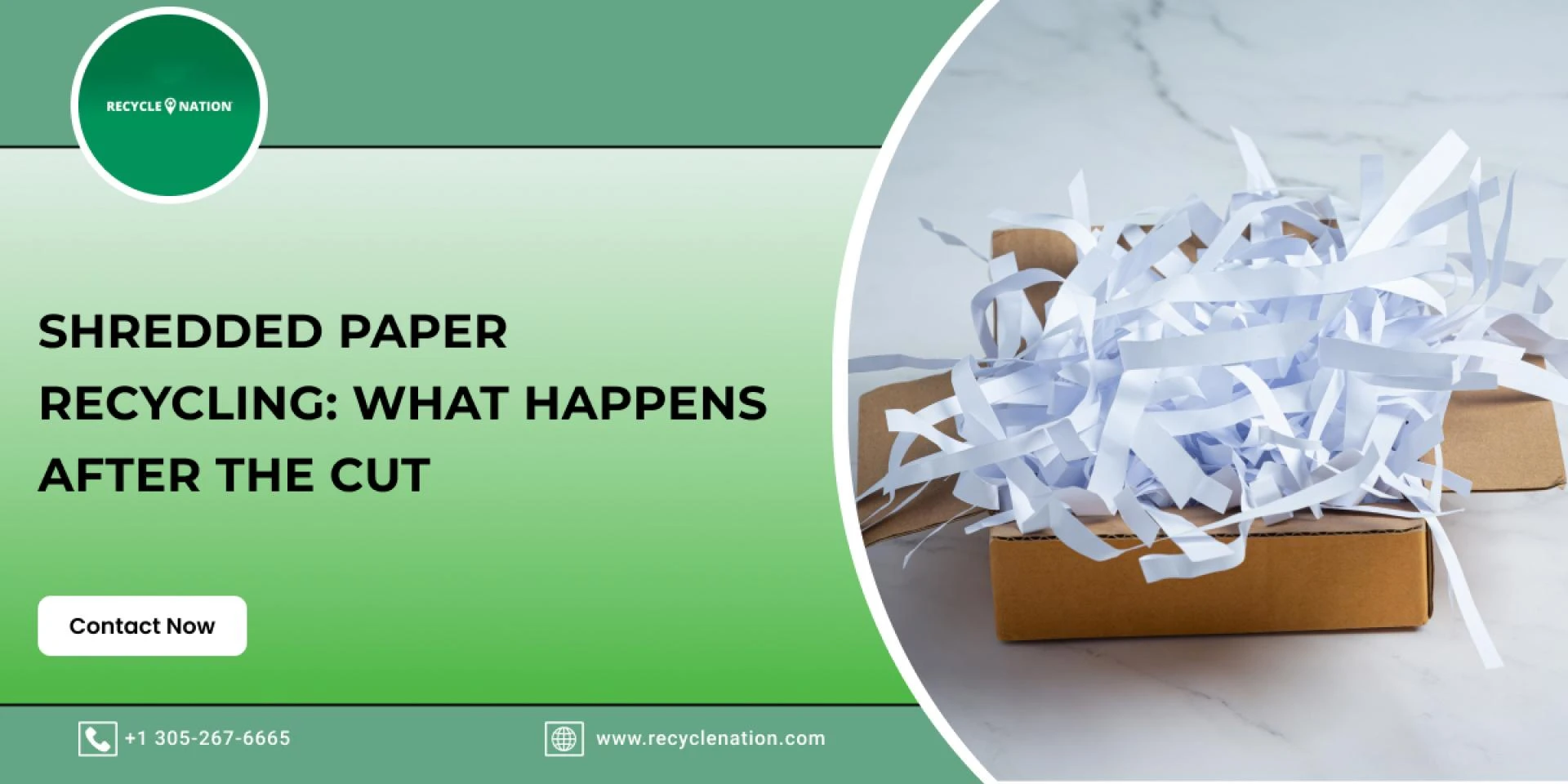

Shredding paper feels like a responsible habit. It protects sensitive information and keeps clutter under control. But when it comes to shredded paper recycling, the journey after the shredder is more complicated than most people realize. Understanding that journey can help you make choices that are both secure and environmentally sound.
One of the biggest challenges begins at the recycling facility. Recycling systems are designed to sort full sheets of paper using airflow, screens, and mechanical separators. Shredded paper pieces are small, lightweight, and unpredictable. Because of this, they often slip through sorting equipment or mix with materials they don’t belong with. This is why many curbside programs restrict or completely reject shredded paper.
A deeper look at how cutting paper affects recyclability is explained in this guide on shredded paper recycling, which breaks down why smaller fibers reduce recycling efficiency and material quality.
When facilities do accept shredded paper, special handling is usually required. In most cases, it must be kept contained to avoid spreading throughout the facility. Common requirements include:
- Placing shredded paper in paper bags instead of plastic
- Keeping it separate from mixed recyclables
- Using designated drop-off locations rather than curbside bins
Even with these steps, the end result is often lower-grade recycled material. Shredded fibers are typically reused for products like tissue paper, insulation, or packing material rather than new office paper.
For households and offices, a few simple habits can make a big difference:
- Only shred documents that truly contain sensitive information
- Recycle non-confidential paper whole whenever possible
- Check local recycling rules before placing shredded paper in bins
- Consider community shredding events that recycle responsibly
Composting can also be an option for plain shredded paper without coatings or heavy inks. In this case, paper breaks down naturally and returns nutrients to the soil, which keeps it out of landfills altogether.
Making smarter choices around shredded paper recycling doesn’t require major lifestyle changes. It starts with understanding how recycling systems work and adjusting small habits accordingly. By shredding less, sorting better, and following local guidelines, individuals and businesses can protect private information while still supporting more effective recycling outcomes.
Thoughtful recycling is about balance, and even small improvements can add up to meaningful environmental impact over time.























Sign in to leave a comment.