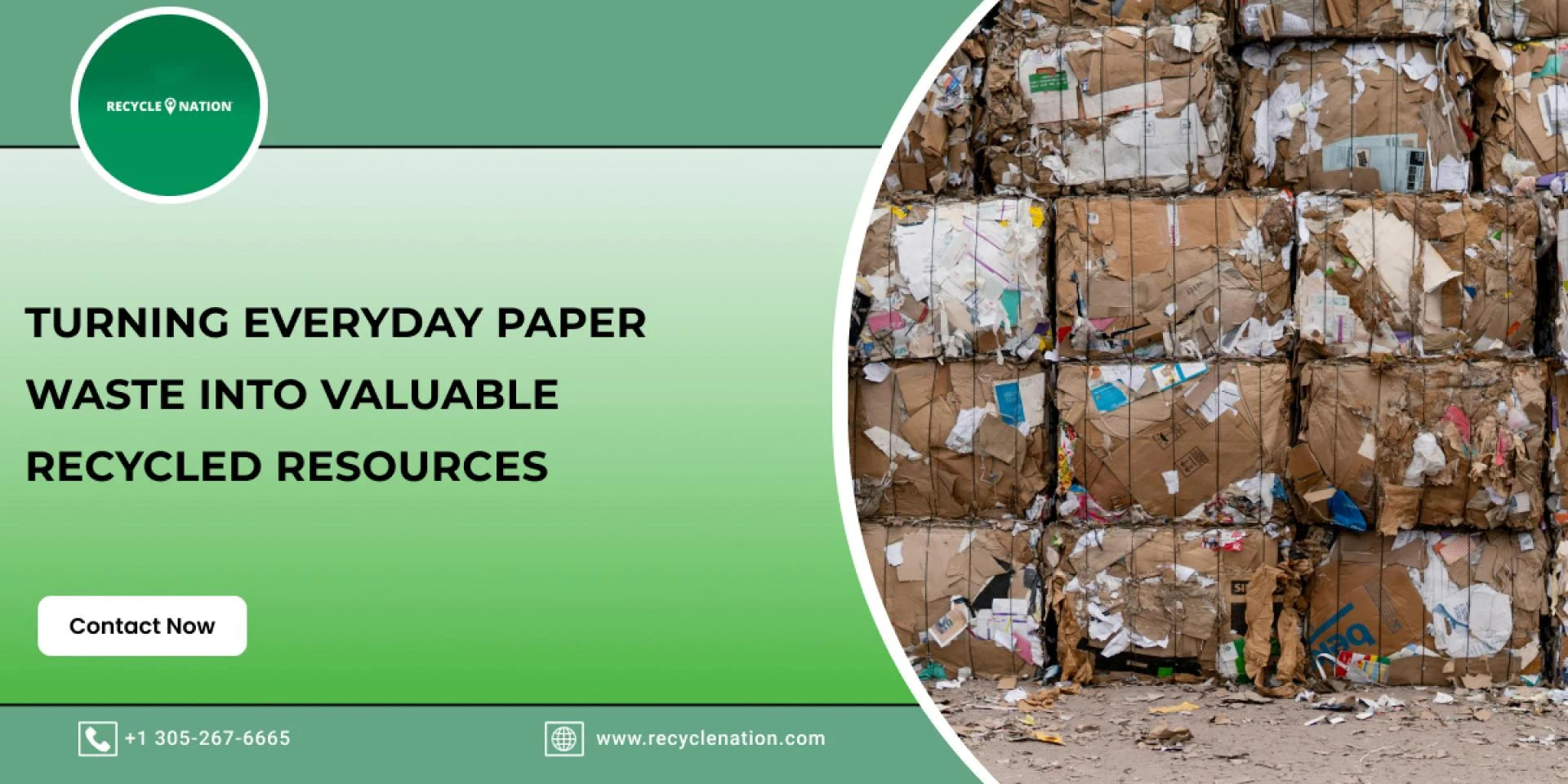

Paper is part of everyday life. From office documents and packaging to newspapers and school notebooks, it remains one of the most widely used materials across homes and businesses. Because of this constant usage, paper waste accumulates quickly. Fortunately, recycling offers a practical solution that helps conserve natural resources and reduce landfill waste.
Recycling paper is not just about disposing of old sheets in a recycling bin. The process involves several stages designed to recover paper fibers and transform them into new products. When done correctly, it supports environmental sustainability and helps industries reuse valuable raw materials that would otherwise go to waste.
How Paper Recycling Actually Works
The recycling journey begins with collection. Used paper from homes, offices, and commercial spaces is gathered and transported to recycling facilities. At these facilities, materials are sorted based on paper type and quality. Clean paper is easier to recycle and produces stronger recycled products.
After sorting, the paper is mixed with water and chemicals to create pulp. This pulp mixture breaks the paper down into fibers. The pulp is then filtered to remove contaminants such as ink, glue, staples, and plastic coatings. Once purified, the fibers are pressed, dried, and processed to create new paper products like packaging materials, cardboard boxes, and office paper.
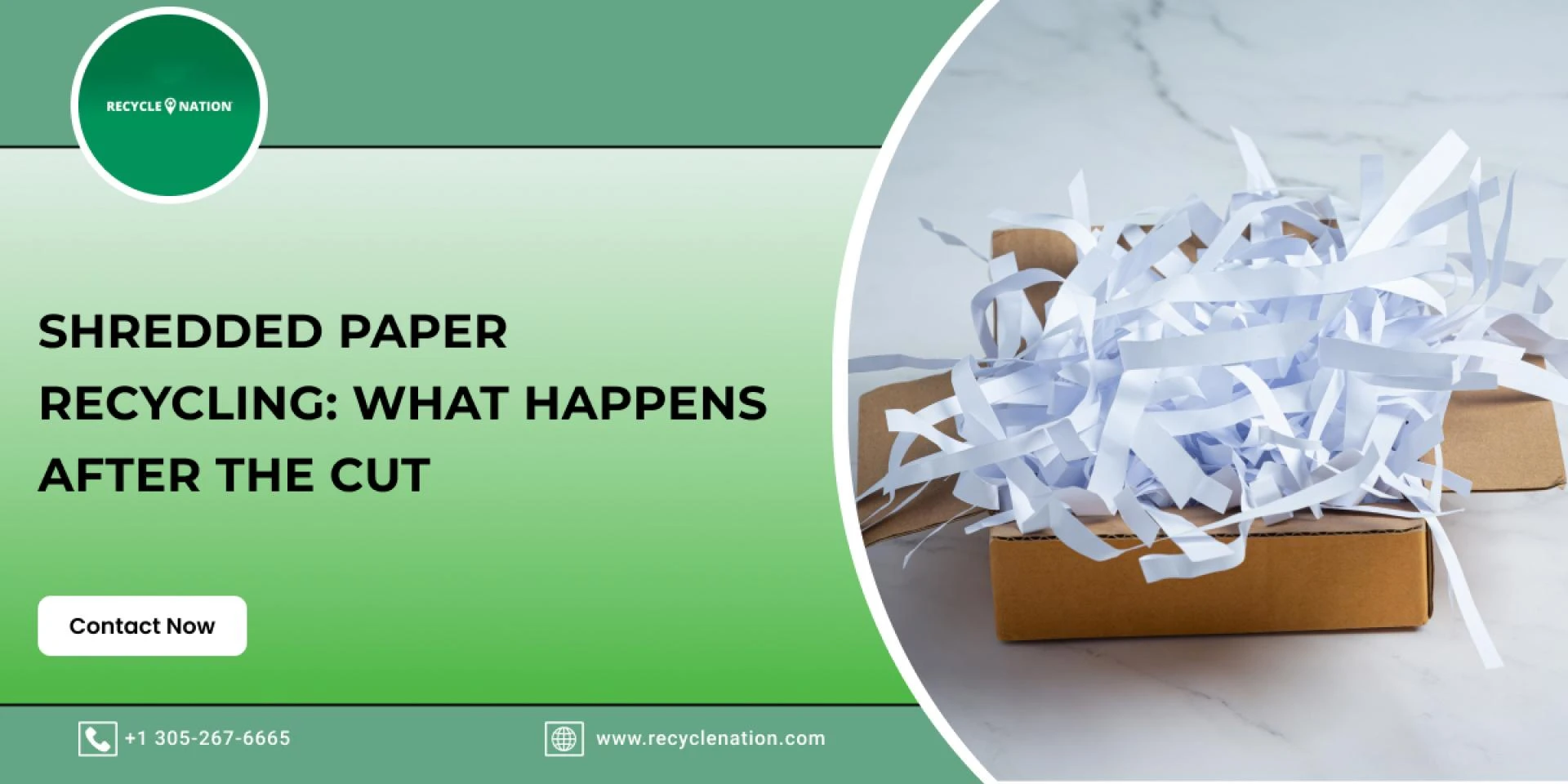
However, paper fibers are not unlimited. They can only be recycled a certain number of times before becoming too short to be reused effectively. As explained in recycling paper, excessive shredding or cutting can shorten paper fibers significantly, making it harder for recycling facilities to convert them into high-quality materials again.
Small Habits That Improve Paper Recycling
Many people want to recycle but are unaware that certain habits can affect the process. Keeping paper dry and free from food contamination makes a big difference. Grease, moisture, and mixed materials can reduce the quality of recycled pulp and sometimes prevent recycling entirely.
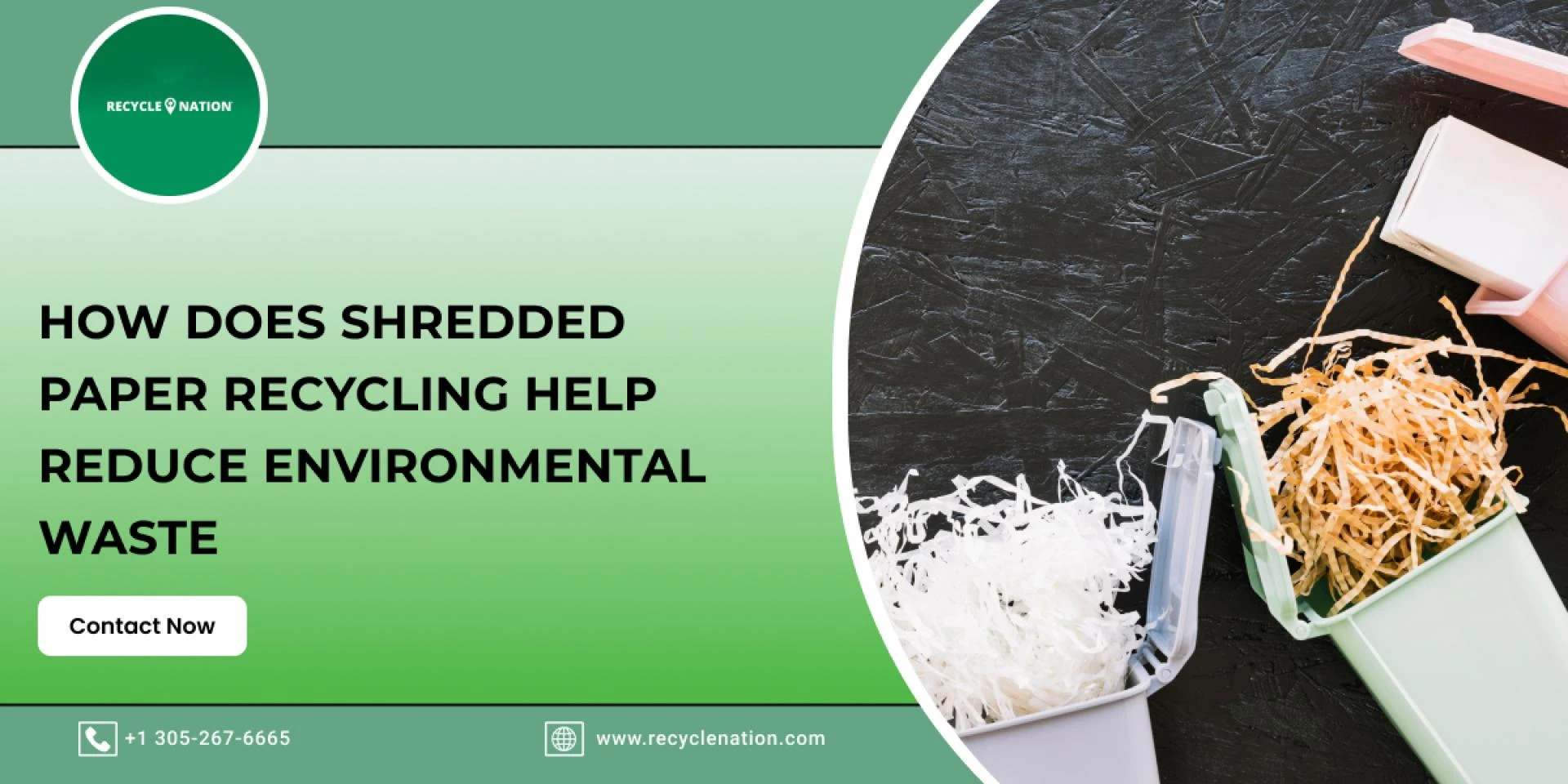
Another important practice is limiting unnecessary shredding. While shredding may be necessary for confidential documents, shredding all paper waste reduces fiber length and weakens its recycling potential. Maintaining larger paper pieces helps recycling facilities produce stronger recycled materials.
Organizations that handle large volumes of documents can also implement simple policies like digital record keeping, paper reuse, and clearly labeled recycling stations to improve efficiency.
Combining Recycling with Waste Reduction
Although recycling is extremely valuable, the most sustainable approach is to create less waste in the first place. Reducing paper consumption lowers the demand for raw materials and reduces the overall burden on recycling systems.
Strategies focused on waste reduction can help businesses minimize unnecessary printing, adopt digital workflows, and encourage responsible resource use. These practices not only support environmental goals but can also reduce operational costs.
When recycling and waste reduction work together, they create a powerful system that conserves resources, protects forests, and supports a more sustainable future.

























Sign in to leave a comment.