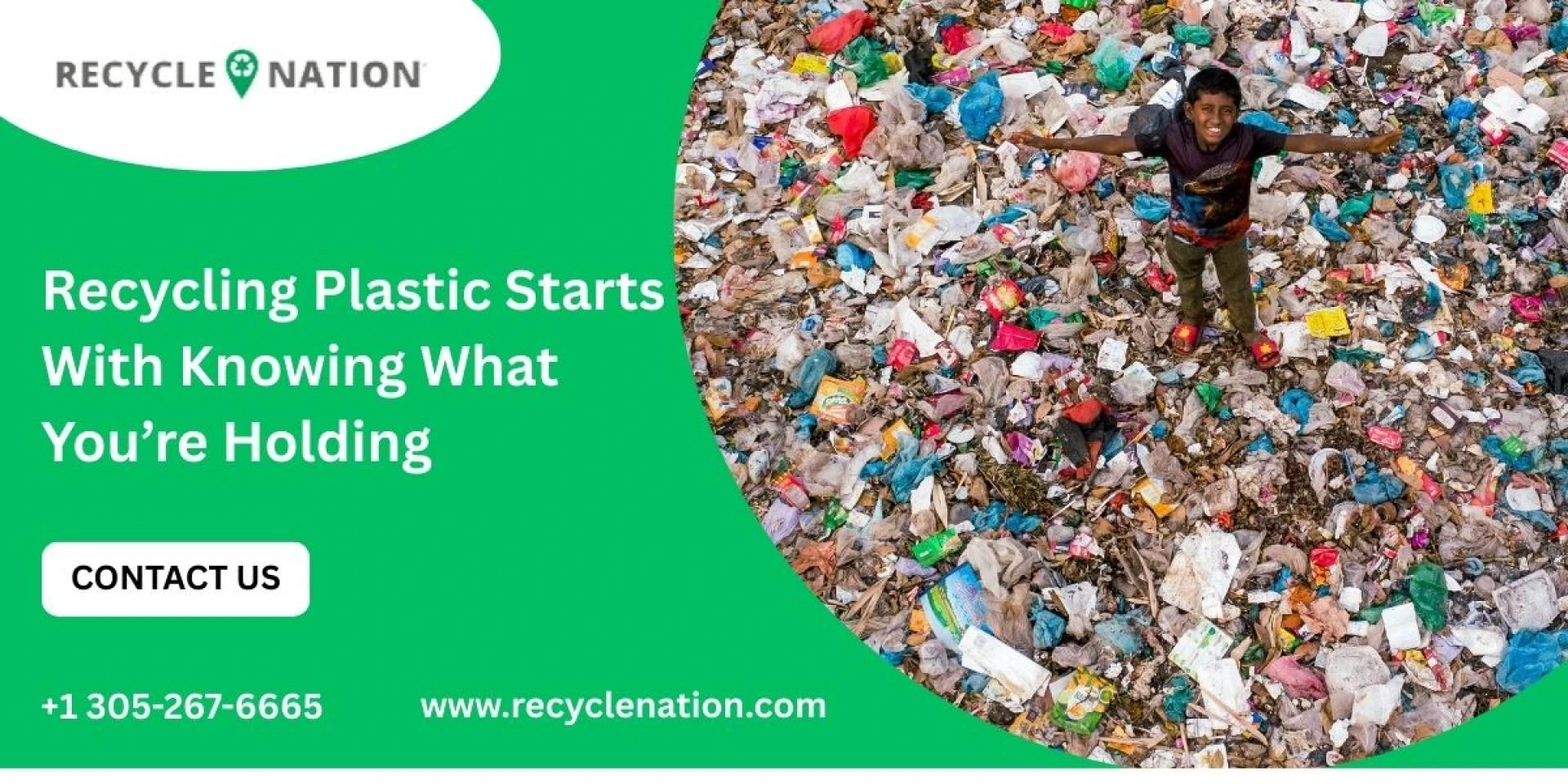
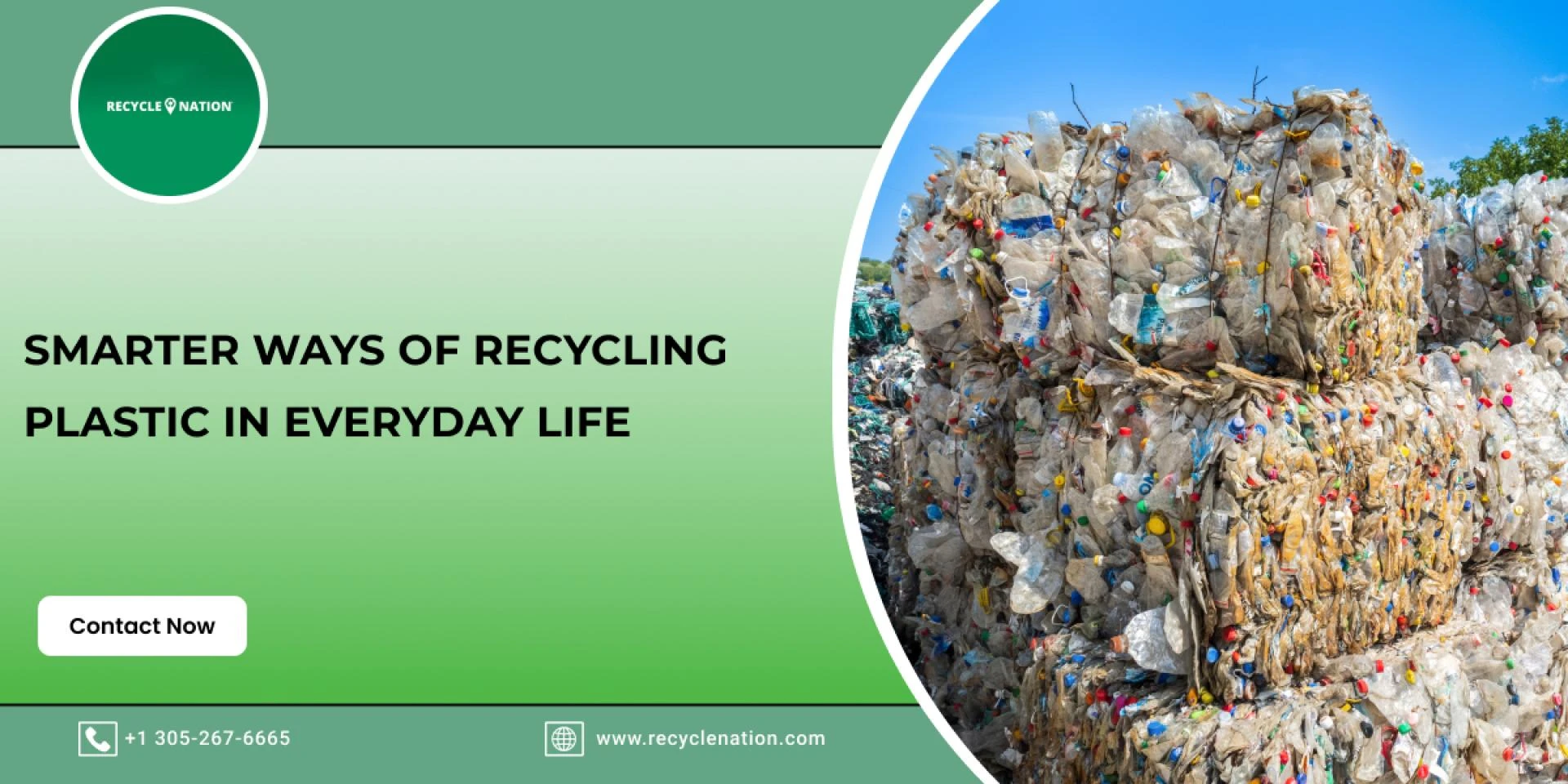
Recycling plastic sounds simple until you are standing in front of a bin, holding a container, wondering whether it actually belongs there. That moment of hesitation is where most recycling efforts quietly break down. The truth is, recycling plastic is less about good intentions and more about informed choices made at home, at work, and in everyday routines.
Plastic is everywhere because it is durable, lightweight, and inexpensive to produce. Those same qualities also make it challenging to recycle. Not all plastics are created equal, and assuming they are can lead to contamination that sends entire batches to landfills instead of recycling facilities.
Why Plastic Recycling Feels Confusing
Most people rely on the chasing arrows symbol without understanding what it truly represents. The number inside that symbol matters more than the arrows themselves. Some plastics are widely accepted by recycling programs, while others require specialized handling or are not recyclable at all.
This confusion leads to two common problems. One is wish-cycling, where people place non recyclable plastics in the bin hoping they will be handled correctly. The other is under recycling, where recyclable plastics are thrown away because people are unsure. Both outcomes reduce the effectiveness of recycling programs.
Learning how to properly identify plastics makes a real difference. A practical starting point is understanding resin identification codes and material types, which is clearly explained in this guide to recyling plastic. When people know what they are holding, they recycle with confidence instead of guesswork.
Small Habits That Improve Recycling Results
Effective plastic recycling does not require perfection. It requires consistency. Simple actions like rinsing containers, removing food residue, and keeping non recyclable items out of the bin dramatically improve recycling outcomes. Clean, sorted materials are far more likely to be processed and reused.
Another important habit is reducing plastic use in the first place. Recycling works best when paired with smarter consumption choices. Choosing reusable items, avoiding unnecessary packaging, and supporting brands that use recycled materials all strengthen the recycling loop.
Why Informed Recycling Matters More Than Ever
Plastic waste is not just an environmental issue. It affects local communities, wildlife, and long term resource availability. Every correctly recycled item reduces the need for new plastic production and lowers overall environmental impact.
Education is the missing link between intention and impact. When people understand how recycling systems work, participation improves and contamination drops.
In the final analysis, platforms like RecycleNation play a critical role by turning complex recycling rules into clear, actionable guidance. Recycling plastic becomes far more effective when knowledge meets everyday action.


























Sign in to leave a comment.