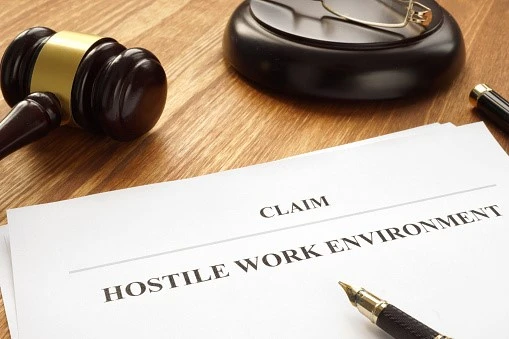

How do you excel at work? You push yourself to achieve your goals and use your experience to move forward. It is where you come across new challenges, creating new paths for yourself to thrive and prosper. But what if the challenges you face at a workspace threaten your mental well-being? Sometimes, you may unknowingly be working in a hostile or toxic workplace – you need to get out!
What makes a hostile work environment, you ask? A boss who doesn’t listen or a colleague whose only job is to gossip in office corridors. But there is more.
What is Hostile Work Environment?
Hostile work environments solo out discrimination and harassment. They push the employees to the point where even thinking of heading to work can be stressful. Such environments make it incredibly challenging for employees to reach their potential, harming their performance and mental well-being.
The U.S. Equal Employment Opportunity Commission describes a hostile work environment as “unwelcome conduct that is based on race, color, religion, gender, or age or disability.” If you face discrimination on any ground mentioned above, you might be working in a hostile work environment.
The Impact of a Hostile Work Environment
A hostile work environment can have a negative impact on employees. It affects their performance and may provoke anxiety, depression, and, in some cases, nightmares.
Signs of a Hostile Work Environment
Here are a few signs that might indicate that you are working in a hostile environment.
Workplace Toxicity
Here’s the thing, working in a toxic work environment doesn’t necessarily mean that you are a victim of workplace hostility. But sometimes, it is the same toxicity that leads to environments becoming hostile. In simple words, if you are continuously being bullied or witnessing an environment that encourages bullying, you must address the issue. As an employee, you must identify the early signs and immediately prevent them from accelerating.
Frequent Hostile Behavior
Another sign of a hostile work environment is that discriminatory behavior and harassment become consistent. If you sense that a supervisor or anyone at your workplace is involved in continuous harassment, it is a clear sign of consistent hostility. Such behaviors can become a norm in a toxic workspace and can tremendously impact the employees. It can also take away their will to perform and put them in tricky situations. It is important to observe early signs of hostility and immediately report them to HR or your supervisor.
Unprovoked Aggression
What many people need to understand is that physical aggression isn’t the only sign that can indicate workplace hostility. Aggressive behaviors at work can come in many forms, including spiteful comments, verbal attacks, or general cruelty. An aggressive work environment might appear to be mild bullying, but it can turn hostile at any point.
Discrimination
An obvious sign of a hostile work environment is if you are constantly experiencing or witnessing discriminatory behavior around or against you. This behavior might appear discriminatory in terms of gender biases, ethnicity, or color.
If you find yourself listening to a supervisor or manager using racial or other discriminatory slurs for an employee, chances are they do the same for you. It’s important to understand that such behavior might not be limited to discrimination based on religion, race, or color. It may include passing offensive comments that can make you or anyone else feel utterly harassed.
Sexual Harassment
Unfortunately, sexual harassment remains a persistent problem in the United States despite various prevention measures. A survey conducted in 2018 showed that an alarming 81 percent of women and 43 percent of men had been harassed in their lifetime. Of the 996 women surveyed, 38% were harassed in the workplace.
What Can You Do?
As an employee, you have constitutional rights safeguarding you from such behavior. Still, it’s important to know what constitutes harassment and what is considered a “petty incident” or a remediable mistake. If you feel like you or someone else is being subjected to workplace harassment or toxic behavior, you must report the incident to your supervisor and HR.
Today, workplace hostility is one of the many challenges employees face in the American employment system. Many employment issues are often slipped under the rug. Riding the Executive Roller Coaster — The Cases of Medical Staffing by Kelli Christina is an incredible book that mentions significant issues American employees face today. Kelli has used this book as a letter in which she has spoken about her challenges and the unethical and flawed recruiting practices, broken employment laws, and corrupt businesses in the medical recruiting discipline.
Learn from Kelli and her experiences. Grab your copy from Barnes and Noble today.























Sign in to leave a comment.