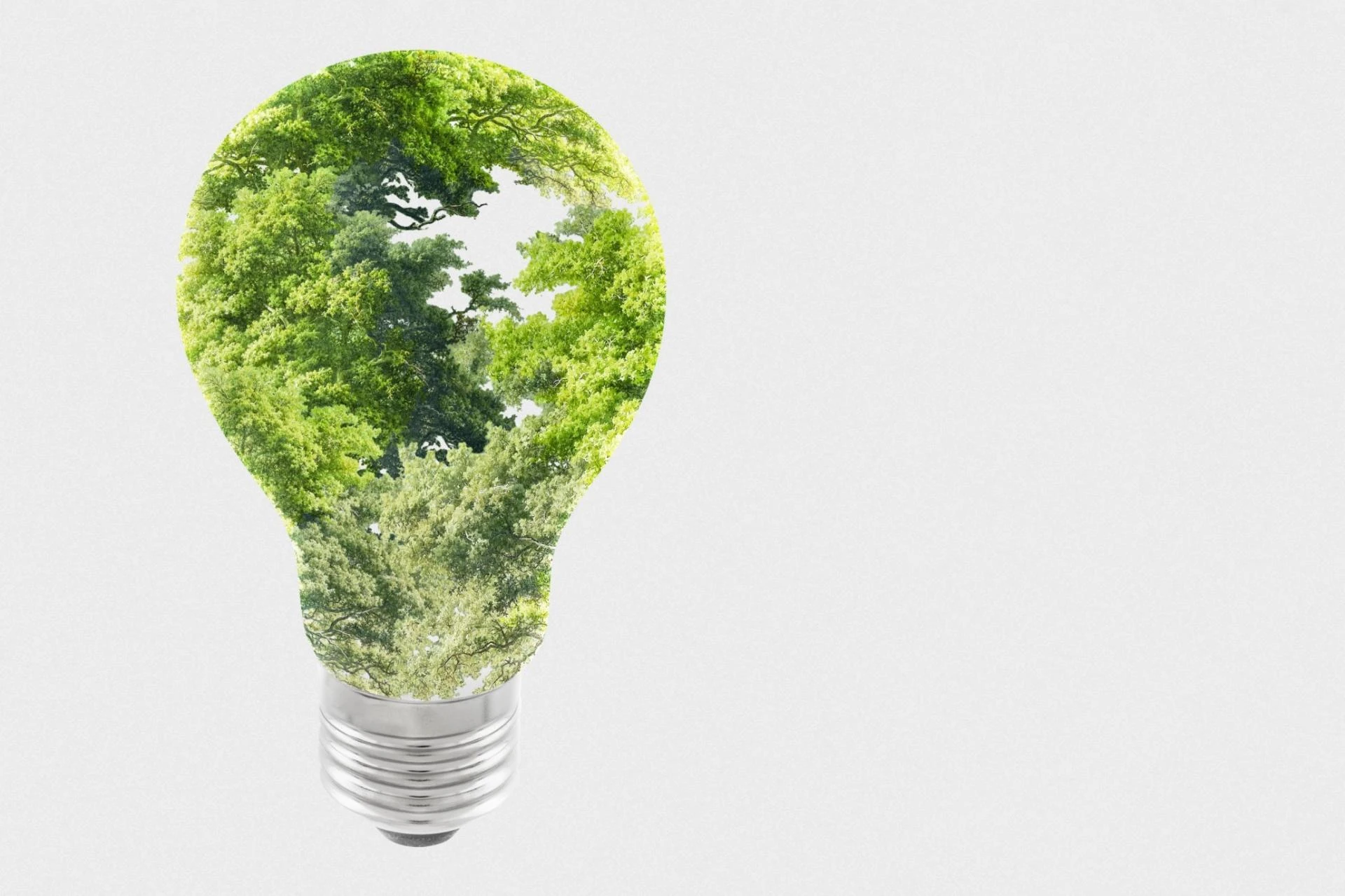
The UK’s Clean Power 2030 target is changing the landscape of how electricity is generated, stored and delivered. Rather than having one solution, combine renewables, storage, and low-carbon backup to have a secure and resilient system.
Below are five of the actions for improving electricity generation:
1. Scaling Up Offshore Wind
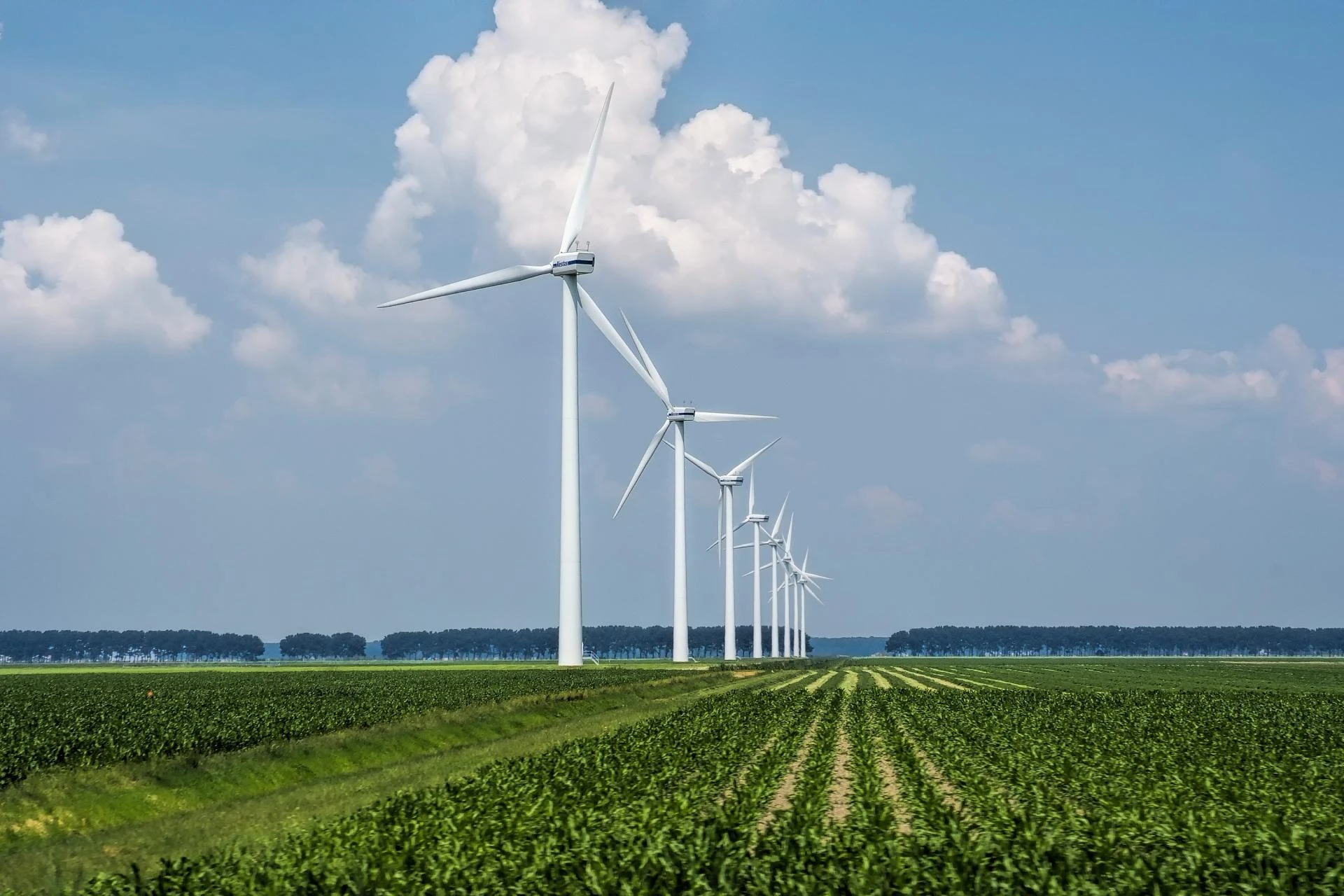
Offshore wind continues to be the UK's future energy backbone. Offshore wind has the most installed capacity in the world and is planning to quadruple this to 50 GW by 2030. Projects under development will double the capacity available today, including floating wind with double-digit GW capacity. Offshore wind provides large-scale, affordable, clean and green energy and has continued to attract investment through a clear supply chain and volumes of policy support.
Did You Know?
The Dogger Bank Wind Farm will have turbines that will be as much as 260 meters. That is nearly double the height of the London Eye, the world's largest observation wheel. Once it is operational, this will be the world's biggest offshore wind farm, expected to provide electricity to over 6 million homes.
2. Driving Growth Through Contracts for Difference
The Contracts for Difference (CfD) scheme is central to this growth. By ensuring a consistent stream of revenue for renewable generators, CfDs reduce investment risk, encouraging developers to proceed with large-scale investments. Future allocation rounds will have large budgets that allow for long-term contracts, which will begin a period of even faster growth, especially in offshore wind and other emerging technologies.
3. Reinforcing Grid Infrastructure and Interconnections
Clean energy must be transmitted effectively. The UK is investing in its transmission networks to accommodate new renewable projects and to improve its links with Europe. The intention is to more than double interconnector capacity to 18 GW by 2030, and more broadly, regulatory reforms mean that transmission lines can be constructed ahead of need, removing the hurdles that limit fast development and get things built.
4. Expanding Low-Carbon Backup with CCUS and Hydrogen
Renewables might be alone cannot deliver a supply, and therefore, the government will introduce Dispatchable Power Agreements to back power plants using CCUS (Carbon Capture, Usage and Storage) and hydrogen-to-power plants. Net Zero Teesside is one of the first large-scale gas power plants with CCUS, intending to be commissioned before 2030, and the UK is looking to identify, develop and operate 10 GW of hydrogen production before 2030, with half of this from electrolysis. Both of these generation resources will supplement renewables and improve the reliability of existing systems.
5. Growing Energy Storage and Long-Duration Solutions
Energy storage is critical for balancing a renewable-heavy grid. There are a number of pumped hydro projects with more than 200 GWh of potential capacity in development. In parallel, battery storage installations are growing rapidly, foreshadowing that the UK will be one of Europe’s leading players in grid-scale storage. Long-duration technologies are also attracting policy to offer flexibility during sustained periods of low wind or sun.
Building a Resilient Energy Future
All of these measures comprise an affordability and resilience system:
- Offshore wind and CfD ensure renewables remain scalable and economically viable.
- Grid enhancements and interconnectors allow the easy movement of energy across multiple and varying regions.
- CCUS and hydrogen provide low-carbon back-up that is firm and reliable.
- Storage balances demand and improves flexibility.
Collectively, they provide the UK with a credible path to a decarbonised power system by 2030.
Conclusion
The UK’s decarbonisation journey is about more than meeting targets. It is about creating a power system that is sustainable, affordable, and secure. By combining renewables, flexible infrastructure, and low-carbon innovation, the UK is positioning itself as a global leader in clean energy. If momentum continues, a fully decarbonised power sector by 2030 is within reach, paving the way for net zero by 2050.























Sign in to leave a comment.