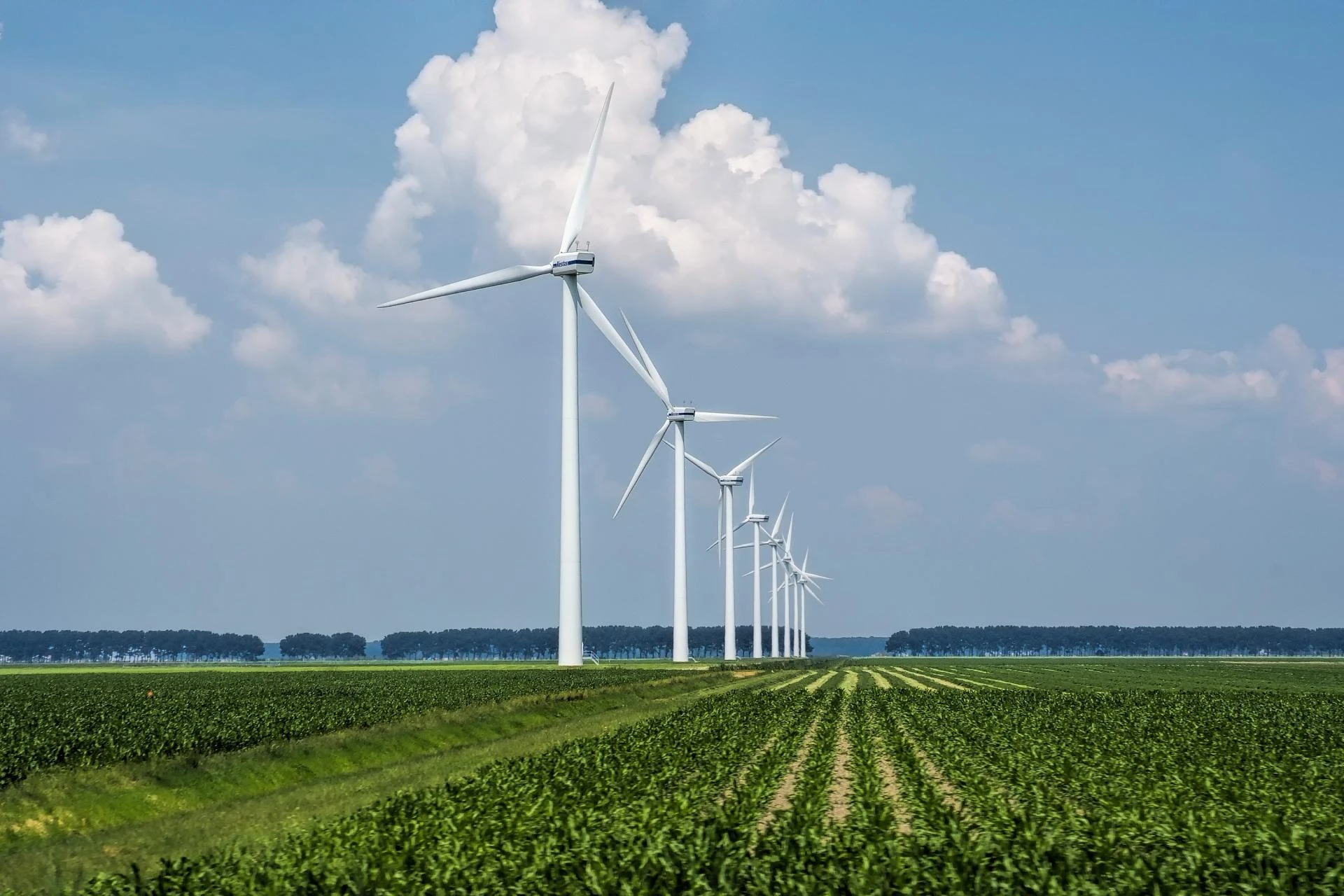
The United Kingdom is on its way to becoming a low-carbon economy, and with that will be a satisfactory transformation of the energy landscape. In many industries, companies have moved beyond seeing sustainability as something that can be done on the "side" from the view of being environmental or environmentally focused to integrating sustainability into their core business operations. Businesses are able to provide long-term operational and organisational resilience and regulatory alignment, as well as strategic positioning within a low-carbon economy. Companies across all industries are utilising renewable energy sources, on-site generation capacity, and flexibility assets to develop their energy strategy to align with their business model within a continually changing energy environment.
1. A Changing Market Landscape Is Driving Strategic Shifts
The UK’s electricity system is changing rapidly as a result of decarbonisation targets, the removal of existing thermal energy sources, and the increasing use of renewable energy sources. This transition is forcing many businesses to rethink their traditional procurement methods, which rely heavily on fossil-based power.
Consequently, a growing number of companies are now using more formalised renewable offerings, such as:
- Long-term corporate Power Purchase Agreements (PPAs)
- Renewable Energy Guarantee of Origin (REGO) backed green supply agreements
- Hybrid supply models that include both renewable energy certificates and standard electricity products.
These types of products provide greater insight into the carbon footprint of energy used by businesses, and they support a company's overall sustainability objectives. As the energy system continues to evolve toward a more decentralised and dynamic system, purchasing renewable energy through these types of contracts will offer companies increased confidence in their ability to manage the many changes that will occur in the future.
2. Net Zero Compliance – Core Business Functions
The UK's legally binding 2050 Net Zero target has placed demands on businesses of all sizes to now show that they are making clear and measurable progress towards the targets across Scope 1, Scope 2 and Scope 3, particularly when working with supply chains that are environmentally conscious.
Through key regulations and reporting frameworks such as ESOS, SECR and the SBTi, organisations are expected to take credible decarbonisation pathways. These organisations are now relying more heavily on the energy they purchase. Therefore, renewable electricity has become one of the main levers that will help reduce their carbon intensity and achieve their Net Zero compliance.
The use of renewable energy choices can:
- Improve ESG (Environmental, Social & Governance) reporting.
- Encourage suppliers to adopt renewable energy sources.
- Achieve best practice in relation to public-sector procurement activity.
- Create opportunities for enhanced environmental transparency in supply chains.
- Develop synergy between high-performing environmental standards and required standard environmental practices.
Sustainability is no longer viewed as a 'box-ticking' exercise to achieve compliance. It has now become integral to the overall risk management and governance processes of the organisations.
3. Stakeholders’ Expectations Are Changing
In addition to being under pressure from regulations, companies are also under increasing pressure from their stakeholders. Customers, partners, and investors all want to assess how “green” and how much “operational impact” they have on the planet.
To be able to differentiate themselves from each other, companies that can show concrete examples of their sustainability strategies (e.g., 100% certified renewable energy, green power purchase agreements, etc.) have a much higher likelihood of building trust with stakeholders and building stronger positions in the marketplace. This trend is particularly prevalent in industries such as hospitality, consumer goods, technology, real estate, and professional services, where businesses are placing an increasing emphasis on being environmentally responsible as part of their procurement decisions.
4. On-Site Energy Creation and Flexible Energy Sources
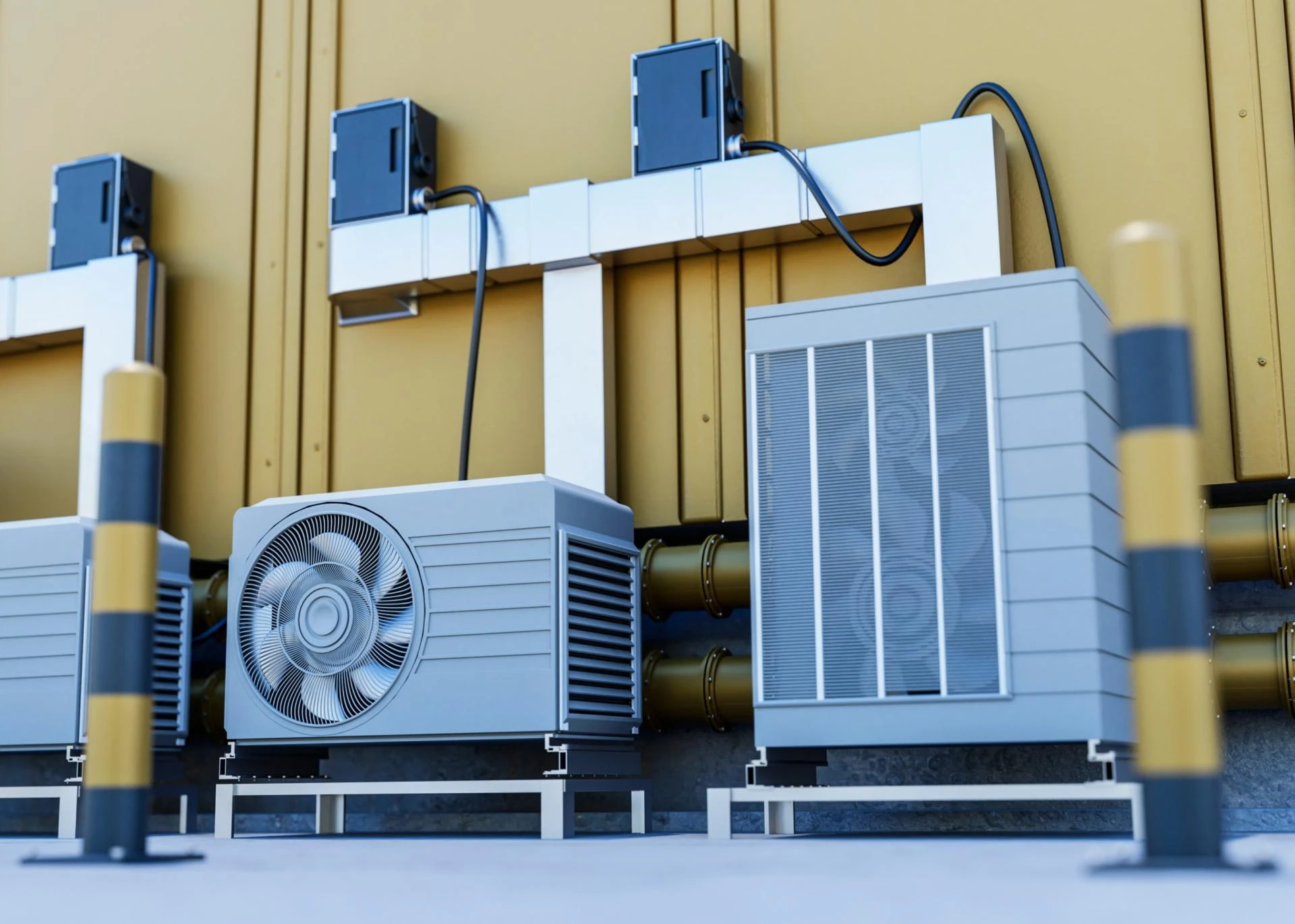
Solar panels (PV) and batteries are now a cost-effective option for many businesses to boost their resilience with decentralised energy systems. Many new products, like battery storage systems or programmable heating/cooling units, are creating new ways for businesses to enhance their resiliency through flexibility assets and onsite generation. With onsite generation and flexibility asset solutions, businesses can:
- Reduce reliance on their utility's transmission/distribution system.
- Keep their businesses operating in times of grid outages.
- Participate in Demand-Side Response schemes.
- Utilise the new ability of flexible markets.
- Create a more stable electrical system by reducing spikes in electric usage.
Specifically, battery storage solutions offer an essential role in improving business electric resiliency by providing backup power to businesses, enabling load balancing between business and grid power, and leveraging maximum redundancy through the utilisation of onsite renewable energy resources.
The convergence of distributed generation capabilities and advanced energy control systems provides a means for businesses to operate more independently, adaptively, and reliably. Therefore, having key critical elements of future sustainable energy systems.
5. Policy Direction and System Planning
The UK is creating an energy policy framework which supports decarbonisation, smart systems and flexibility. Policy Direction and System Planning are supporting the expansion of low-carbon structures in the UK. The Smart Systems and Flexibility Plan is one of the strategic initiatives that support this framework. Other initiatives include Local Area Energy Planning (LAEP), Capacity Market participation opportunities, Contracts for Difference (CfDs) and Heat Network zoning and electrification commitments. These initiatives collectively create a future focused on low-carbon technologies and renewable energy integration that is the foundation of the operational planning process in the energy sector.
Businesses that align themselves with this framework will be placed in a position to take advantage of future regulatory changes and operate in concert with the architectures of the National Energy System.
6. Sustainable Energy Provides Long-Term Risk Mitigation
As the energy ecosystem continues to change, the operational risk within the traditional fossil-fuels-dependent models will only increase. The operational risks associated with operating under such models include the risk of disruption of supply chains, the increasing level of environmental legislation, and limitations imposed by grid infrastructure in certain areas of the country.
Sustainable energy choices can mitigate operational risk by:
1) Reducing carbon-related compliance risk
2) Improving alignment with expectations within supply chains
3) Assisting in the implementation of climate adaptation strategies long term
4) Increasing business preparedness to participate in the business model transition.
Given the need for resilience from energy users, sustainable energy choices are a business's best avenue for future-proofing operations.
Final Thoughts
Sustainable energy is at the core of how UK companies will thrive in order to be resilient by using procurements of renewable energy, having a decentralised model of energy management, using assets to be flexible, and aligning with the approach set out by the Government in the UK regarding decarbonisation of the country. Organisations working towards a sustainable energy model will not only support the climate goals, but they will also develop an organisation that can meet the needs of a rapidly evolving energy market and will be flexible and resilient.






















Sign in to leave a comment.