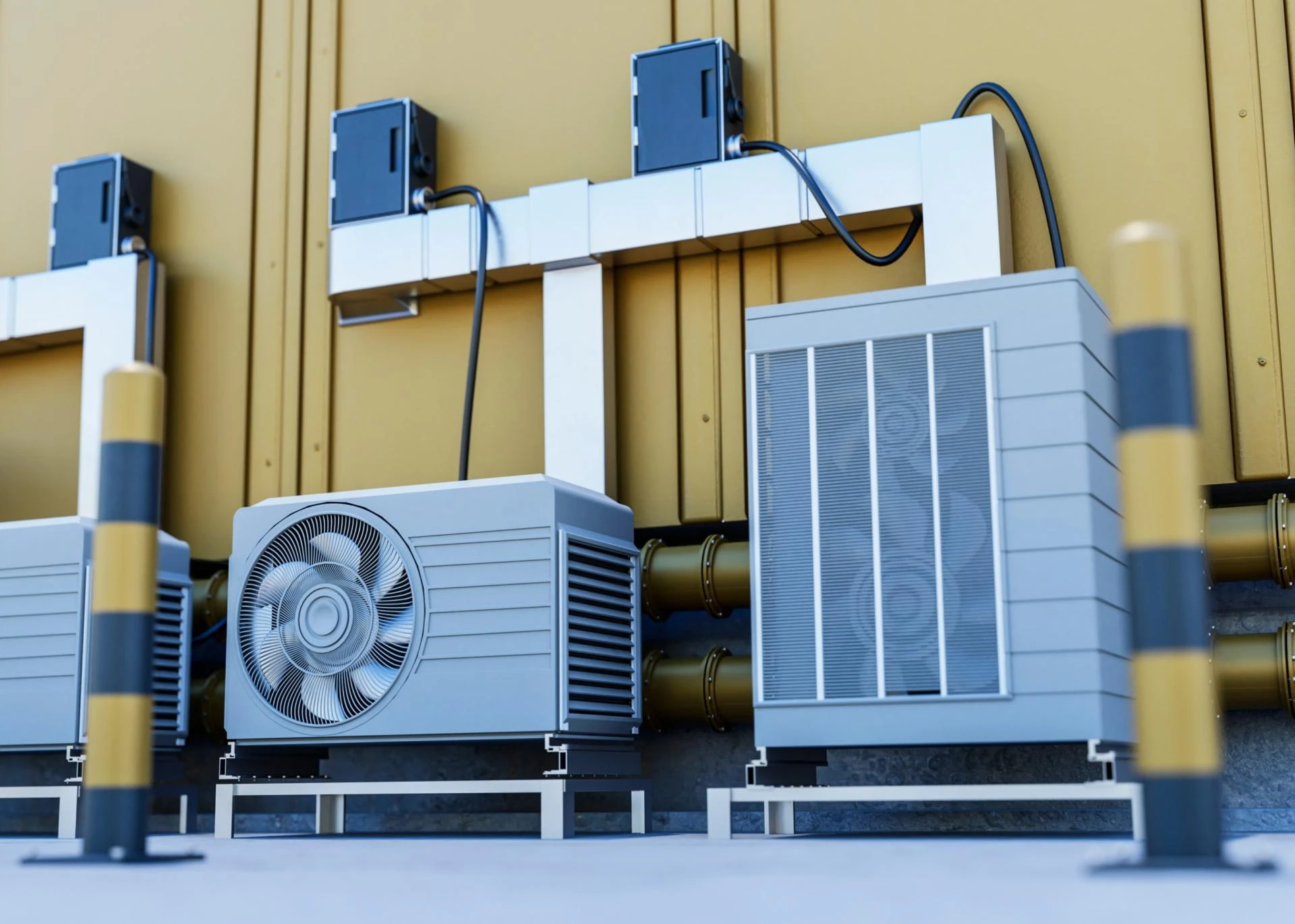
While UK citizens and business owners have begun to realise that utilising HVAC technologies can save them money. With expectations that energy costs will continue to rise in the coming years and increasing regulations regarding reducing carbon emissions, it will be critical that all of us look for ways to reduce our energy consumption in order for our countries to achieve net-zero emissions by the year 2050. Therefore, every kilowatt hour saved on energy use will significantly impact the UK government’s goal for carbon reduction.
HVAC (Heating, Ventilation, and Air Conditioning) systems provide a significant opportunity for reducing energy usage in homes and businesses. HVAC systems provide comfort and indoor air quality by regulating the temperature, humidity, and circulation of the air within each space. If a building's HVAC system is properly designed and installed, the overall energy consumed by a building can be reduced, thus reducing energy expenses and supporting both commercial and residential buildings to meet the sustainability goals of the UK while providing comfortable indoor environments for building occupants.
What is HVAC?
HVAC comprises Heating, Ventilation and Air Conditioning. It includes heating and cooling for indoor climates, properly circulating, filtering, cleaning and conditioning air in addition to moderating moisture levels throughout the year. As a result of changing climate conditions and increased weather events, such as winter heating needs & summertime increasing frequency of heatwaves, all areas within the UK will require effective HVAC system designs to maintain building comfort levels during the most extreme weather periods, cold winter days & hot summer periods. There are many HVAC system types available to customers in the UK; from homes (Manchester), Churches, Schools (Birmingham), offices (London), retail stores (Edinburgh), etc.
Because there are numerous HVAC system options available for all types of buildings and because every type of building has its own unique characteristics, the only way to truly optimise an HVAC system is through experience and the ability to understand and apply proper measures for optimisation. Further, through proper HVAC system optimisation, significant energy and emission reductions may be attained.
Why HVAC Optimisation Matters for Energy Efficiency in the UK?
The optimisation of HVAC equipment is important as it has a direct correlation to how much energy will be consumed, how much money the end-user will spend operating it, and to the UK's ability to achieve its net-zero goal. By paying close attention to optimising HVAC equipment, we ensure that we can reduce the amount of energy used without sacrificing the overall ability of the equipment to fulfil its function and keep its occupants comfortable and healthy.
Buildings Drive UK Energy Use
UK building energy use accounted for approximately 30% of national greenhouse gas emissions related to energy. Most of this energy consumed is related to heating, ventilation and cooling (HVAC) equipment. Therefore, enhancing the performance of HVAC equipment will be one of the ways the UK can achieve its net-zero and lower energy bills.
Strong Policy and Regulatory Signals
The UK government has created the Heating and Building Strategy, which provides a clear pathway to reduce carbon emissions from HVAC equipment. The Building Regulations update for Part L regarding energy efficiency and Part F concerning ventilation now includes a requirement for any new or renovated buildings to measure if they have the potential to provide an increased standard of HVAC performance in accordance with the defined parameters in the proposed Regulation L. The Minimum Energy Efficiency Standards for commercial facilities in the UK are becoming increasingly stringent due to national climate change objectives and will result in the need to optimise the operation of HVAC systems to remain compliant and improve the overall resiliency of buildings.
Technology Advancements Reduce Waste
Through developments in technology, today's HVAC systems reduce the amount of waste created by their operation when compared to older models. Traditional HVAC systems typically use fixed-speed motors that run constantly when operating, thus wasting both power and money. HVAC systems have evolved and now incorporate smart controllers, sensors, and variable-speed motors to adjust their operating characteristics and consume less energy depending on how much occupancy and weather influence HVAC operation. Heat recovery venting is becoming a new standard for Europe. With heat recovery models, the waste heat generated by an area can be captured during operation and used to pre-condition the incoming air. By doing this, the overall demand for the heating equipment is decreased.
How HVAC Optimisation Works in Practice
Modern HVAC systems that use smart control technology, real-time monitoring and renewable energy sources are designed to operate at higher efficiencies, decreasing the amount of energy consumed and subsequently decreasing the carbon footprint created as a result of the energy usage.
- Optimised HVAC systems will automatically adjust HVAC heating and cooling outputs based upon the existing occupancy conditions, outside atmospheric conditions, etc.
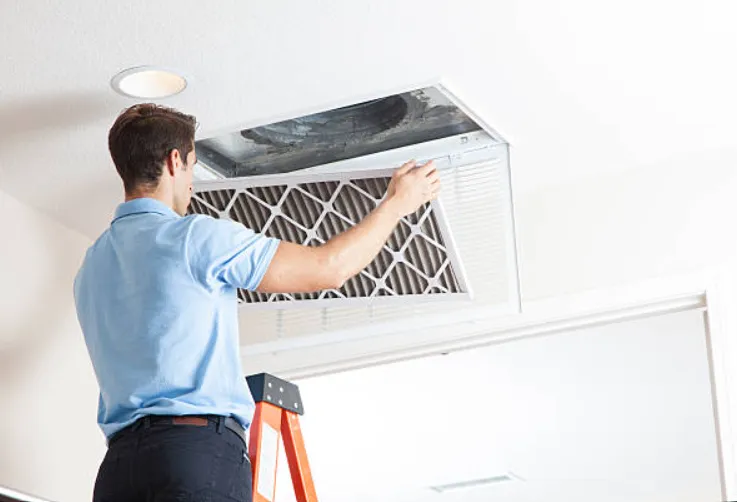
- Real-time monitoring of appliances allows the maintenance personnel to be aware of any inefficiencies and make predictive decisions on maintenance items to prevent breakdowns.
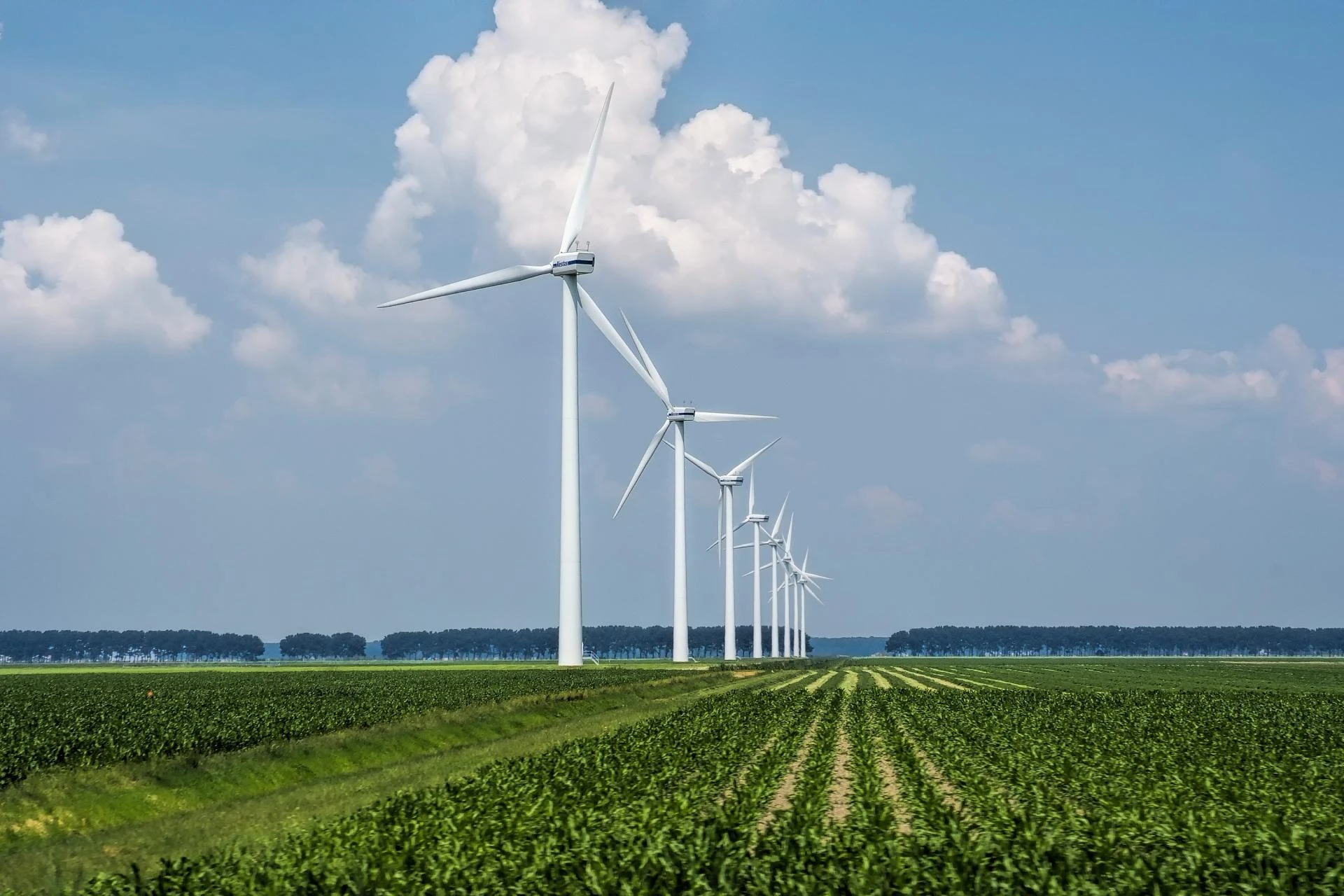
- HVAC systems incorporating heat pumps, as well as renewable sources, such as solar and wind, will reduce the carbon emissions of the HVAC system and reduce dependency on the grid.
Looking Forward
The need for HVAC optimisation will increase dramatically by 2026, due to increasing regulations for energy performance, the growth of low-carbon heating systems, and increased building management capabilities through enhanced intelligence in building technologies. To provide the best economic benefit and level of comfort, to assist in combating climate change, upgrading, maintaining, and properly optimising your HVAC equipment is one of the most effective ways for you to reduce your own energy use, lower your utility bills, and assist the UK through its transition to a cleaner, lower-carbon future.
























Sign in to leave a comment.