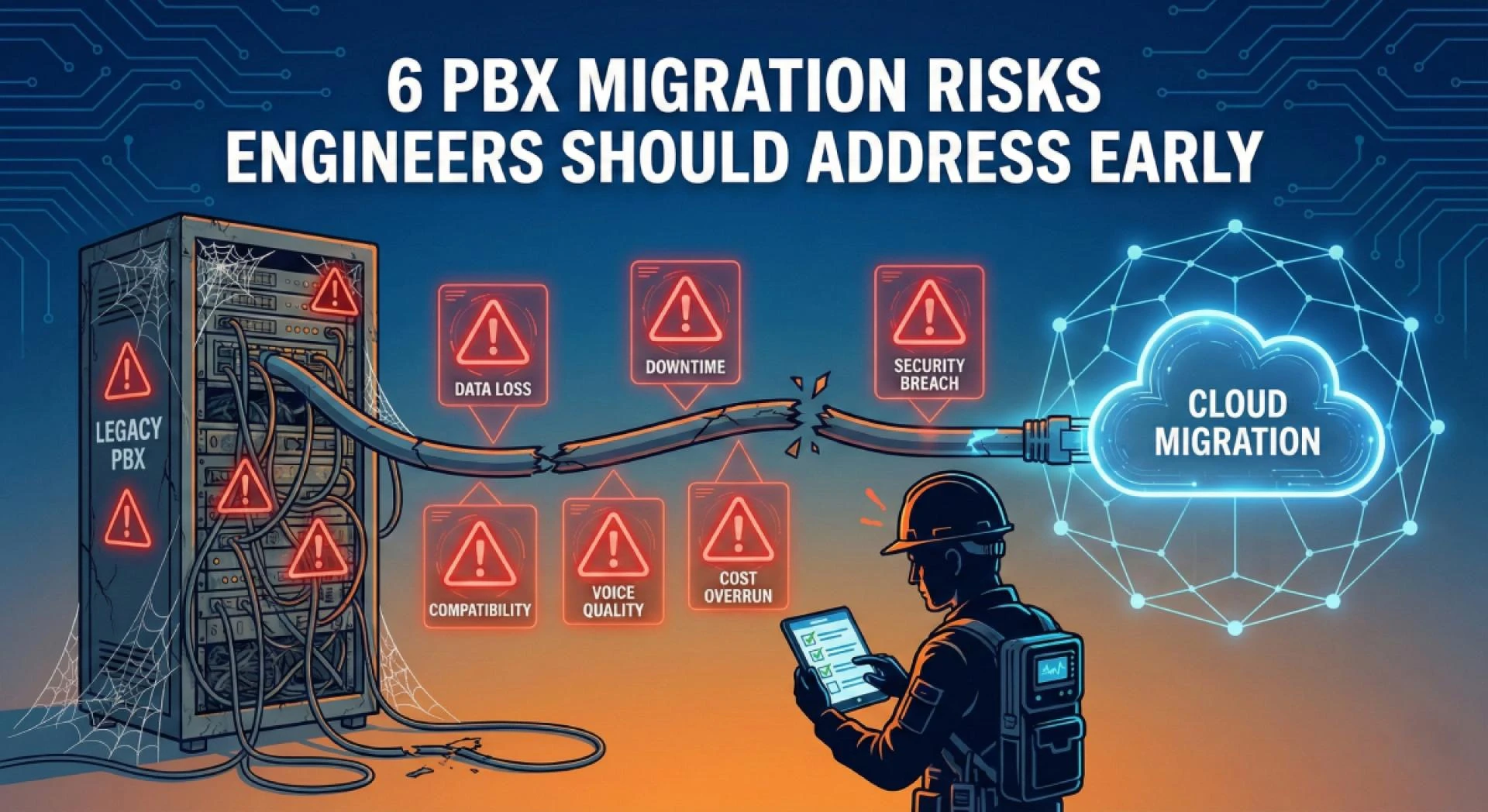

PBX migration often looks straightforward on paper. Move the system, test a few calls, update DNS, and go live. In reality, it’s usually much messier than that.
Most issues don’t come from the PBX software itself. They come from assumptions engineers make because “this is how it worked before.” Below are some risks that tend to show up during PBX migration projects, especially when they aren’t addressed early.
1. Hidden Call Flow Logic
Over time, PBX systems accumulate logic that nobody fully remembers. Old IVR branches, time-based routing, fallback queues, and billing hooks often exist because of past incidents or business needs.
During PBX migration, teams usually map the main call paths but miss the edge cases. These gaps only surface after go-live, when a specific scenario suddenly fails.
This is where a detailed VoIP migration checklist helps. Not a generic one, but one built from real call behavior and historical issues.
2. Assuming SIP Behavior Will Stay the Same
SIP is standardized, but implementations are not. Header handling, codec negotiation, authentication, and timers often behave differently across platforms.
A common mistake in PBX migration projects is assuming that if SIP worked earlier, it will continue to work the same way. That’s rarely true. Small differences can lead to dropped calls, delayed ringing, or one-way audio that only appears under load.
Testing SIP interoperability early saves a lot of production debugging later.
3. Not Planning for Real Traffic Patterns
Many migrations are validated with test calls and light traffic. That doesn’t reflect real usage.
Peak-hour traffic, burst dialing, and retry behavior can expose performance limits that weren’t obvious during testing. A PBX migration that works fine during the day can start failing during campaigns or busy hours.
Engineers who analyze traffic patterns ahead of time avoid scaling surprises after launch.
4. Losing Visibility After Migration
Legacy systems often rely on tribal knowledge. Engineers know where to look when calls fail. After migration, that familiarity disappears.
One overlooked PBX migration risk is insufficient monitoring. Without proper SIP logs, RTP metrics, or call failure insights, troubleshooting becomes guesswork.
Setting up visibility as part of the migration not after makes stabilization far less stressful.
5. Treating Security as “Later”
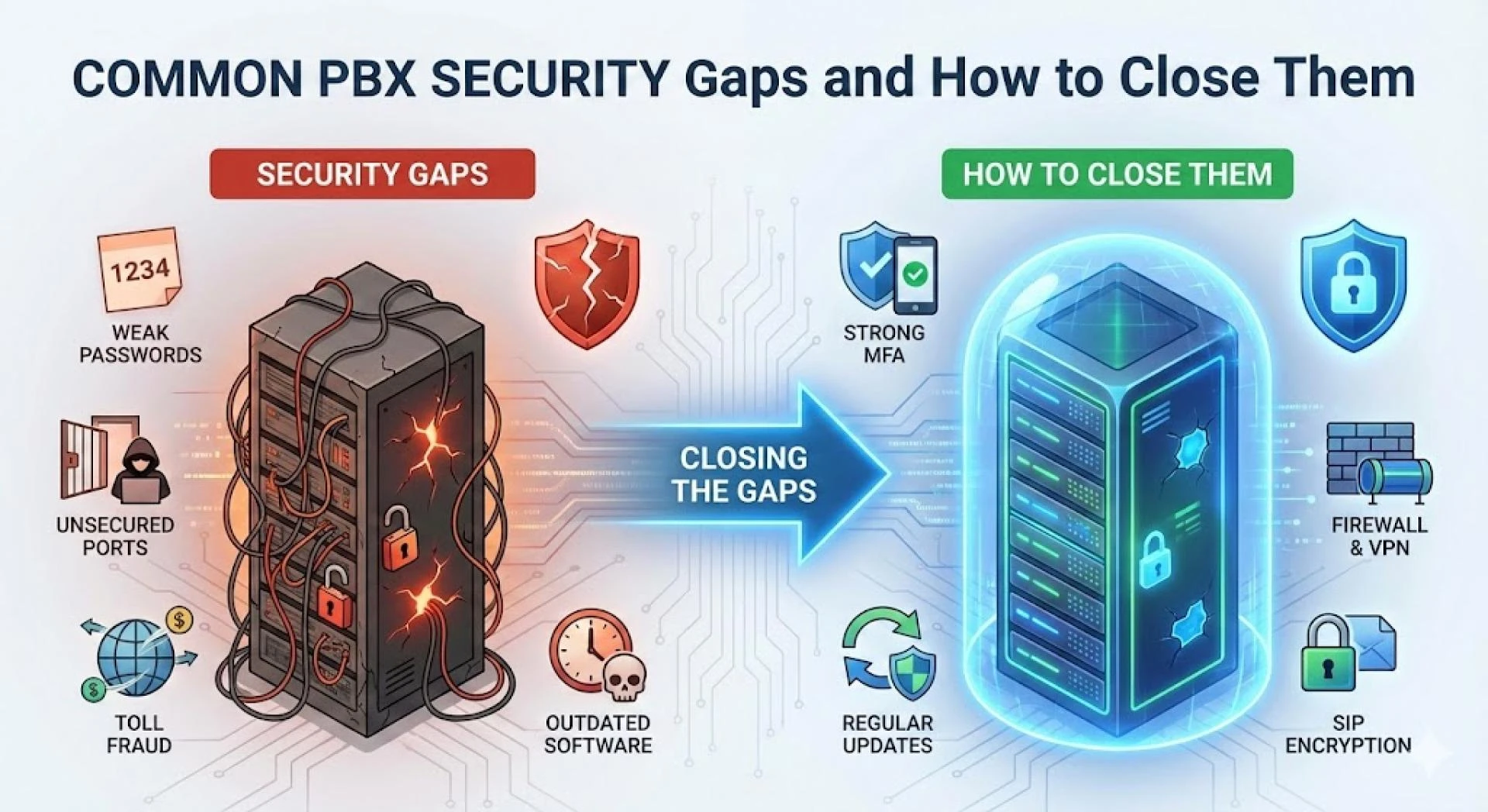
Security gaps don’t always cause immediate failures. SIP scanning, toll fraud, and abuse usually show up quietly, days after migration.
During PBX migration, temporary firewall rules or relaxed access controls often remain in place longer than intended. That’s when problems begin.
Security checks should be part of the migration flow, not an afterthought.
6. No Exit Strategy
Even well-planned migrations can hit unexpected issues. When there’s no rollback or coexistence plan, teams are forced to fix problems live.
Allowing old and new systems to run in parallel, even briefly, gives engineers room to validate behavior under real traffic. It also provides a safety net if something goes wrong.
A solid PBX migration plan always includes a way back.
Final Thoughts
PBX migration isn’t just about moving infrastructure. It’s about protecting reliability while changing systems that users depend on every day.
Engineers who treat migration as an evolving process rather than a single cutover event tend to deliver far better outcomes.




























Sign in to leave a comment.