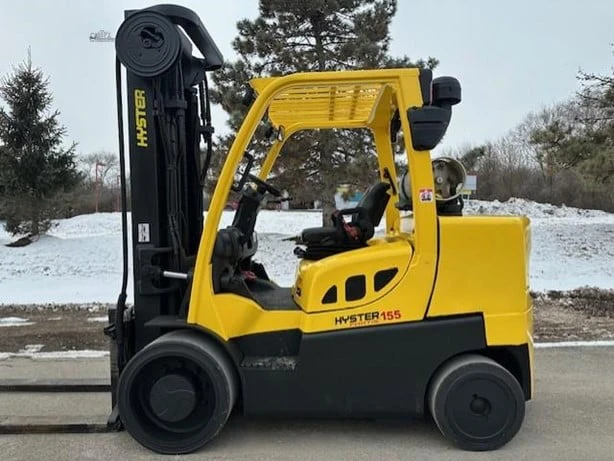

As temperatures drop and job sites become slick with frost, one thing becomes clear—machines that aren’t ready for the cold don’t stay productive for long. Unplanned downtime costs companies up to $125,000 per hour, often due to preventable mechanical failures. Hydraulic systems thicken, batteries weaken, and engines struggle to start—turning an already tight schedule into a costly delay.
That’s why preventive maintenance before the cold season isn’t just smart; it’s essential. Contractors who take the time to inspect and service their fleets now can avoid expensive repairs later and extend equipment lifespan well into the next season.
ATP Equipment Exchange helps businesses stay operational year-round by offering high-quality new and pre-owned machinery—ranging from scissor and boom lifts to forklifts and telehandlers—built to handle tough conditions. Their reliable inventory and focus on long-term value make them one of the leading equipment partners for construction and industrial operations across the U.S.
This post outlines six practical fall and winter maintenance strategies to keep heavy equipment running efficiently, reduce downtime, and ensure safer job sites through the cold months ahead.
1. Inspect and Protect the Hydraulic Systems
Cold weather causes hydraulic oil to thicken, which can slow down operations and increase wear on pumps and cylinders. Before temperatures fall below freezing, every machine—from rough terrain scissor lifts to articulating boom lifts—should have its hydraulic systems inspected and serviced.
Key steps include:
· Checking for leaks or cracks in hoses and fittings
· Replacing hydraulic oil with a winter-grade blend that flows better in cold conditions
· Warming up equipment before full operation to prevent damage from cold starts
A small investment in proper fluid maintenance now can prevent major component failures later.
2. Service Batteries and Electrical Components
Low temperatures drain batteries faster, especially in electric models like scissor lifts or forklifts. Cold starts put strain on the battery and starter, leading to sluggish performance or complete failure.
Preventive actions to take:
· Test battery voltage and charging capacity
· Clean terminals and check cables for corrosion
· Store batteries in a warm environment when equipment is not in use
· For electric scissor lifts or forklifts, maintain proper charging schedules to prevent deep discharge cycles
A well-maintained battery system ensures consistent performance and reduces costly downtime during winter operations.
3. Maintain Proper Tire Condition and Pressure
Tires are often the first components to feel the effects of cold weather. Pressure drops with temperature changes, and worn treads can reduce traction on wet or icy surfaces.
Contractors using pneumatic tire forklifts, rough terrain lifts, or telehandlers should:
· Check and adjust tire pressure regularly
· Inspect treads for signs of wear or embedded debris
· Consider tire chains or specialized winter treads for added traction in snow or mud
Machines like cushion tire forklifts or slab scissor lifts used indoors may need less attention in this area, but outdoor units demand extra care to maintain stability and control.
4. Protect Fuel Systems from Contamination
Diesel fuel can gel in low temperatures, clogging filters and starving the engine. To avoid this, operators of telescopic boom lifts, telehandlers, and diesel-powered forklifts should:
· Drain water separators and fuel filters before freezing conditions hit
· Use winter-blend diesel or add anti-gel additives
· Keep tanks at least half full to minimize condensation and fuel line freeze-ups
A clean, well-maintained fuel system ensures reliable starting and prevents unnecessary downtime on cold mornings.
5. Conduct Thorough Lubrication and Fluid Changes
Every moving part needs lubrication to function efficiently—especially when temperatures drop. Oil and grease thicken in cold weather, increasing friction and accelerating wear.
Before winter, operators should:
· Replace engine oil with cold-weather grades
· Grease all joints, hinges, and pivot points
· Check coolant for proper antifreeze concentration
Flush and refill brake and transmission fluids if recommended by the manufacturer.
Routine lubrication not only protects against friction damage but also ensures that machinery such as articulating or telescopic lifts operates smoothly and safely.
6. Store and Operate Equipment Wisely
Even the best-maintained machine will suffer if left exposed to the elements. Whenever possible:
· Store machines under cover or use insulated tarps
· Run engines periodically to circulate oil and charge batteries
· Keep control panels and sensors clean and dry
· For electric models, avoid charging in freezing temperatures
For fleets with both indoor and outdoor equipment—such as electric forklifts and outdoor boom lifts—creating separate storage and maintenance schedules for each type helps extend overall fleet life.
Ready for the Cold? Keep Equipment Running Strong This Winter
How much downtime can your business afford this winter? Preventive maintenance may take a few extra hours today, but it can save weeks of costly repairs tomorrow. By preparing machines before the cold sets in, operators protect their investments and keep projects on track no matter the weather.
ATP Equipment Exchange supports construction and industrial companies with dependable, high-performance equipment—new, used, or pre-owned—to match every operational need. Whether businesses are searching for reliable scissor lifts, telehandlers, forklifts, or boom lifts, ATP’s team ensures every unit is inspected and ready to perform in tough conditions.
Their commitment to quality and customer satisfaction has made them one of the most trusted equipment suppliers in the industry. Businesses preparing their fleets for winter can contact ATP Equipment Exchange to discuss their next equipment purchase or upgrade—because downtime is expensive, but preparedness always pays off.
Author Bio
Morgan J. Riley is a seasoned heavy equipment expert and industry writer, specializing in construction and industrial machinery. With extensive hands-on experience, Morgan shares practical advice on equipment maintenance, safety, and operational efficiency to help businesses keep their fleets running at peak performance.
































Sign in to leave a comment.