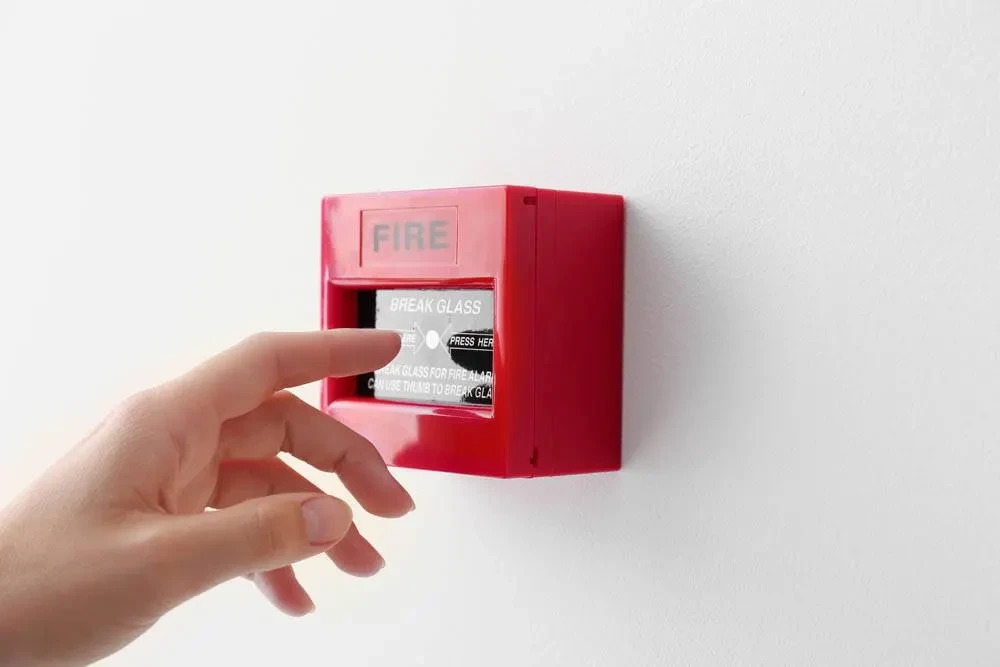

Imagine a fire starting in a warehouse at 2:15 AM.
No staff on-site. No one to hear the alarm. By the time someone notices—if they do—the damage is already done. Stock lost, operations halted, and in worst cases, the building itself compromised.
That scenario isn’t rare. According to UK fire safety reports, many commercial fires escalate simply because there’s a delay in response. That’s where understanding the 24/7 fire alarm monitoring benefits becomes essential.
For businesses relying on industrial fire safety systems, especially in warehouses or large facilities, monitoring isn’t just an add-on. It’s a critical layer of protection.
In this guide, we’ll break down eight practical, real-world benefits of continuous monitoring—and why it’s becoming a standard in modern fire risk management.
1. Faster Emergency Response
When a fire alarm triggers, time is everything.
With commercial fire alarm monitoring, alerts are instantly sent to a monitoring centre, which can notify emergency services without delay. There’s no reliance on someone being physically present to react.
In large industrial spaces, even a few minutes can mean the difference between a contained incident and a full-scale fire.
2. Protection Outside Business Hours
Most facilities are empty overnight. That’s exactly when risks increase.
A monitored system ensures your warehouse fire protection doesn’t depend on working hours. Fires don’t follow schedules—and neither should your safety systems.
Think about it: would your current setup alert anyone if a fire started right now?
3. Reduced Property Damage
Early detection leads to faster intervention. It sounds obvious, but it’s often underestimated.
With continuous monitoring:
- Fires are identified sooner
- Emergency response is quicker
- Damage is limited
This plays a major role in fire risk management, especially for facilities storing high-value goods or sensitive equipment.
4. Improved Employee Safety
Even during working hours, a monitored system adds an extra layer of protection.
If a fire starts in a less visible area—say, a storage room or plant section—alerts are immediately escalated. That reduces reliance on human detection alone.
In environments with complex layouts, this kind of backup can be critical.
5. Compliance with Fire Safety Regulations
UK regulations around fire safety are becoming stricter, particularly for commercial and industrial properties.
Using an alarm monitoring service can help businesses:
- Meet insurance requirements
- Align with safety standards
- Demonstrate proactive risk management
While monitoring alone doesn’t guarantee compliance, it certainly strengthens your overall safety strategy.
6. Integration with Modern Fire Systems
Today’s smoke detection systems and alarms don’t operate in isolation.
24/7 monitoring often integrates with:
- Sprinkler systems
- Access controls
- Building management systems
This creates a more connected approach to facility safety monitoring, where everything works together rather than in silos.
7. Reduced False Alarm Impact
False alarms are more than just annoying—they’re costly and disruptive.
With monitored systems, alerts are often verified before emergency services are dispatched. This reduces unnecessary callouts and helps maintain operational continuity.
Over time, that can lead to noticeable cost savings and fewer disruptions.
8. Peace of Mind for Business Owners
This one’s less technical—but arguably just as important.
Knowing your facility is monitored around the clock changes how you think about risk. You’re not relying on chance or hoping systems work—you’ve got a structured response in place.
Some companies, such as Fortify ES, ADT UK, and Verisure, offer 24/7 monitoring solutions, highlighting how technology can assist facilities in responding quickly to emergencies.
It’s not about removing risk entirely—that’s impossible. But it’s about reducing uncertainty.
How to Choose the Right 24/7 Fire Alarm Monitoring Service
Not all monitoring services are equal. And choosing the right one isn’t just about ticking a box.
Look for recognised certifications
Check for:
- NSI (National Security Inspectorate)
- SSAIB approval
These indicate that the provider meets established UK standards.
Ensure system compatibility
Your monitoring service should integrate seamlessly with existing industrial fire safety systems.
If it doesn’t, you may end up with gaps—or unnecessary upgrades.
Understand response protocols
Ask questions like:
- Who gets alerted first?
- How quickly are emergency services contacted?
- Is there a verification process?
Clarity here matters more than most people expect.
Evaluate reliability and support
Monitoring is only effective if it works consistently.
Look for:
- Proven uptime records
- Responsive customer support
- Clear escalation procedures
Because when something goes wrong, you don’t want uncertainty.
Common Mistakes Businesses Make
Even well-intentioned businesses sometimes overlook key aspects of fire safety monitoring.
Ignoring maintenance
A monitored system still needs regular checks.
Sensors, alarms, and connections can fail over time. Without maintenance, reliability drops.
Choosing based on price alone
Lower-cost services may lack:
- Reliable monitoring infrastructure
- Fast response times
- Adequate support
In fire safety, cutting corners rarely pays off.
Not integrating with fire prevention strategies
Monitoring is reactive—it responds to incidents.
But it should work alongside fire prevention strategies, not replace them.
Failing to plan for complex sites
Large warehouses or industrial facilities often require more advanced setups.
A basic system may leave blind spots or delay detection in critical areas.
Conclusion
Fire safety isn’t just about alarms—it’s about response, coordination, and timing.
The real value of understanding 24/7 fire alarm monitoring benefits lies in recognising how it strengthens every part of your safety system. From faster emergency response to better risk management, it adds a layer of protection that static systems simply can’t provide.
For facility managers and business owners, the takeaway is fairly straightforward: monitoring turns a passive system into an active one.
And when you’re dealing with something as unpredictable as fire, that shift—from passive to proactive—can make all the difference.








Sign in to leave a comment.