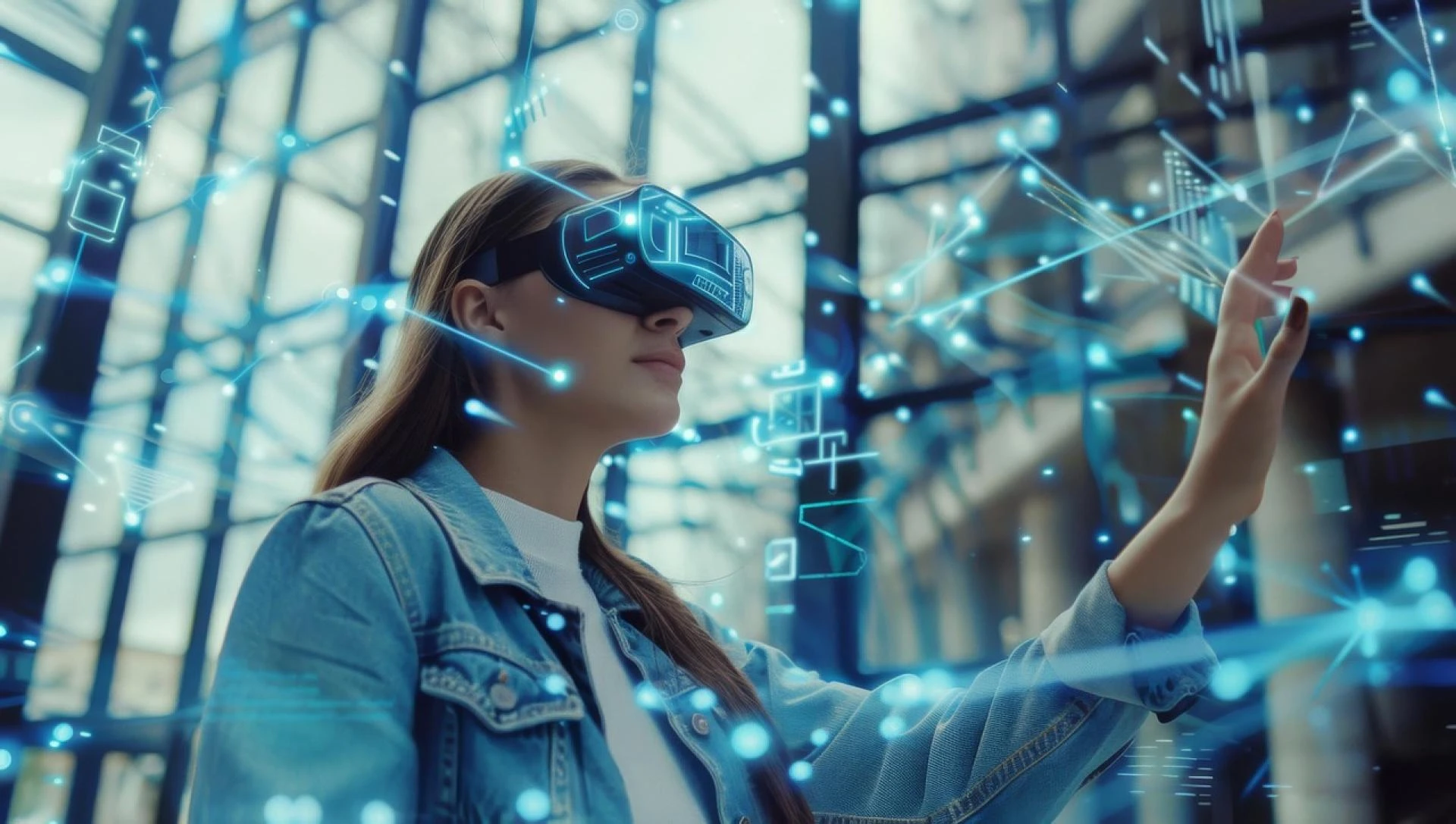

Safety culture — the shared values, beliefs, and behaviours that determine how an organisation prioritises safety — is one of the most powerful predictors of workplace incident rates. Building it requires training that genuinely changes behaviour.
Partnering with a leading VR training company gives organisations access to training that creates the visceral, memorable experiences needed to shift behaviour at a fundamental level, not just tick compliance boxes.
Traditional safety training has a well-documented engagement problem. Mandatory online modules are frequently clicked through without genuine attention. Classroom sessions are quickly forgotten. VR changes the equation entirely.
When a learner is placed inside an immersive simulation of a genuine workplace hazard — a factory floor with a malfunctioning machine, a chemical plant during a leak — the learning is visceral and memorable, encoded far more deeply than any passive instruction.
This deeper encoding translates into better recall and more reliable behaviour when real situations arise. Workers who have rehearsed emergency procedures in VR respond faster and more accurately in reality.
VR training also builds psychological safety — the confidence to act correctly under pressure. Many accidents occur not because workers lack knowledge, but because they hesitate or panic when confronted with an unexpected situation.
The organisations that will lead on safety in the coming decade are those investing now in immersive, evidence-based learning delivered through world-class partners.
Follow us: Twitter, Instagram, LinkedIn
:















Sign in to leave a comment.