Rosacea vs. Eczema: How to Tell the Difference and Soothe Your Skin
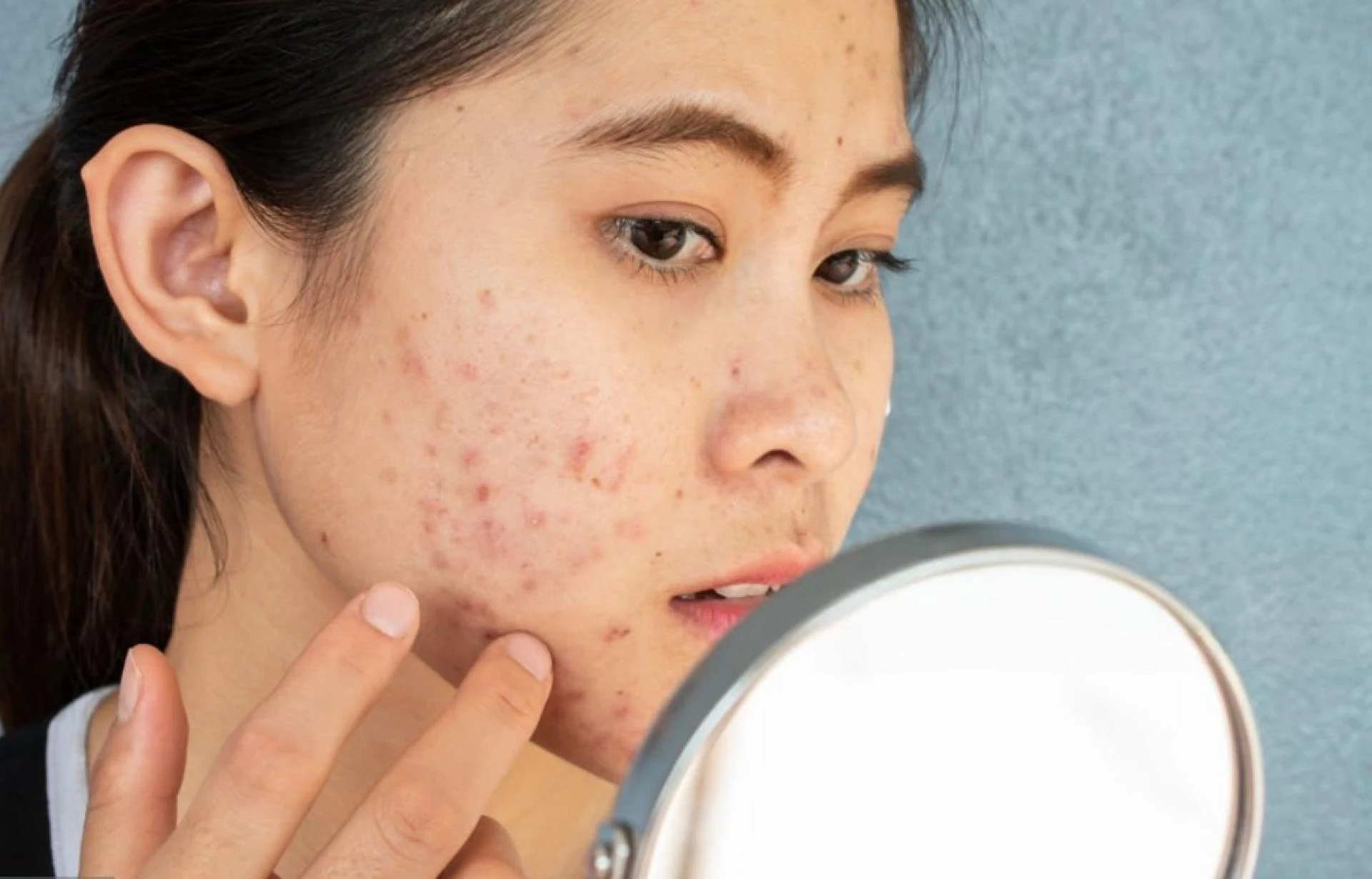
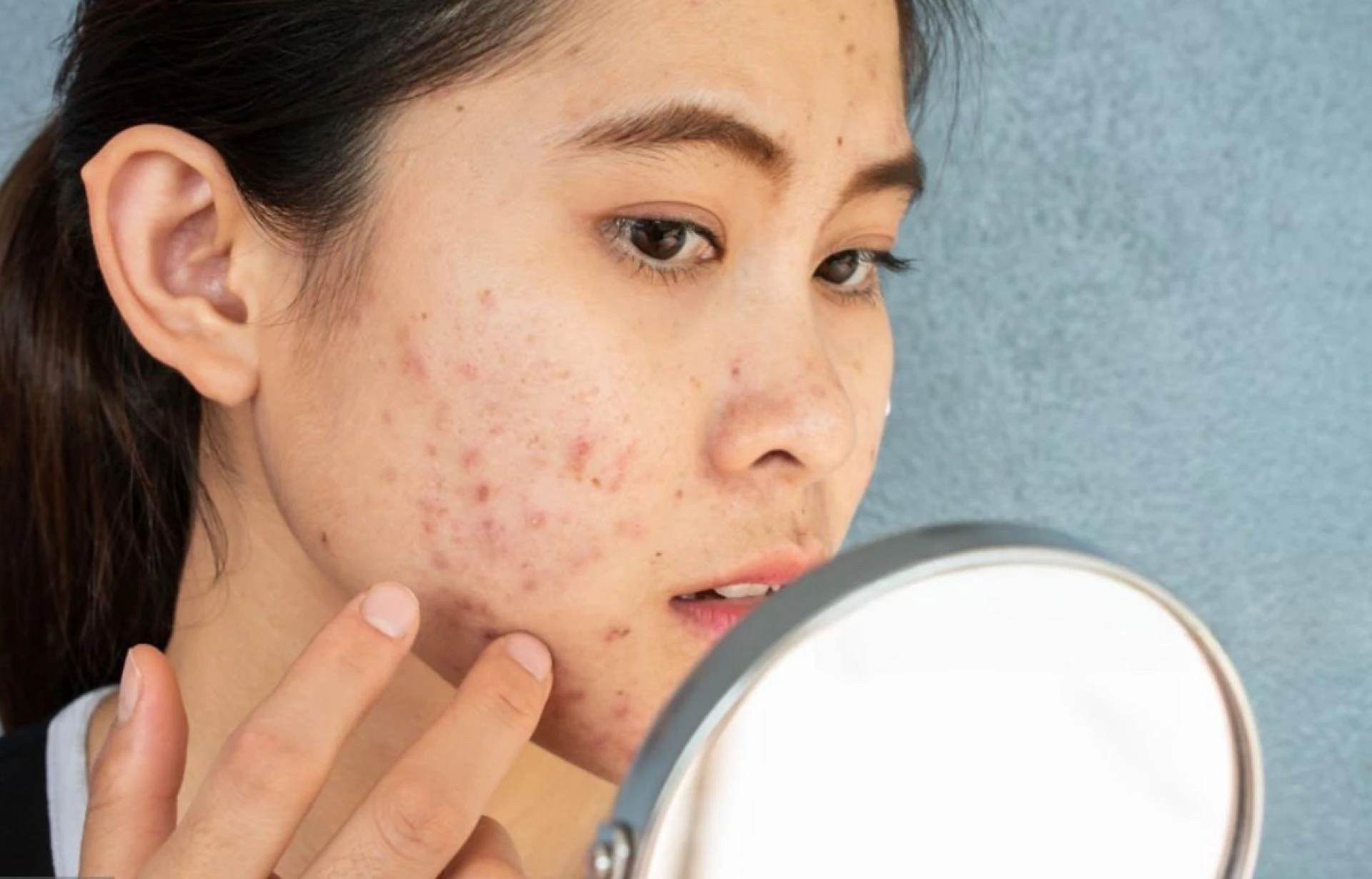
Have you ever looked in the mirror and noticed red, angry patches on your skin? You're not alone. That redness could be rosacea, eczema, or something else entirely. The tricky part? These two conditions often look similar, but they need completely different care.
Using the wrong treatment can make things worse. That's why understanding what you're dealing with is so important. Let's break down the differences in simple terms and help you find relief.
Remember: While this guide provides helpful information, visiting a skin specialist or dermatologist in Faridabad will give you an accurate diagnosis and personalized treatment plan.
What Exactly is Rosacea?
Think of rosacea as the condition that makes you look like you're perpetually sunburned. It's a chronic inflammatory issue that mainly shows up on your face. Many people first notice it as excessive blushing or flushing that just won't quit.
How to Recognize Rosacea
Stubborn Facial Redness: Your cheeks, nose, chin, or forehead look persistently flushed, like you've just come in from the cold—except it never fades.
Tiny Visible Veins: You might notice small, spidery blood vessels (called telangiectasia) appearing on your cheeks and nose.
Bumps That Look Like Acne: Red, raised bumps or small pimples can pop up, which is why people often confuse rosacea with regular acne. But here's the key difference—there are no blackheads with rosacea.
Eye Problems: About half of people with rosacea also deal with irritated, watery, or gritty-feeling eyes.
Thickened Skin: In advanced cases, the skin can become bumpy and thick, especially around the nose. This is more common in men.
What Makes Rosacea Flare Up?
Your rosacea might get worse when you:
· Eat spicy food or drink hot beverages
· Have a glass of wine or other alcohol
· Step outside on very hot or cold days
· Get stressed or experience strong emotions
· Exercise intensely
· Spend time in the sun without protection
What Exactly is Eczema?
Eczema (also called atopic dermatitis) is all about that unbearable itch. Unlike rosacea, which camps out on your face, eczema can appear anywhere on your body. Many people get it in the creases of their elbows and knees, but it can also show up on your hands, ankles, feet, or even your scalp.
How to Recognize Eczema
Intense, Maddening Itch: This is usually the first sign and the most frustrating symptom. The itch often comes before any visible rash.
Extremely Dry Skin: Your skin's protective barrier isn't working properly, leading to rough, parched patches.
Discolored, Inflamed Patches: Depending on your skin tone, these patches might appear red, brownish, grayish, or purple.
Rough, Scaly Texture: The affected areas feel leathery or develop thick, scaly skin from repeated scratching.
Weeping and Crusting: During bad flare-ups, the skin might ooze clear fluid and form crusty scabs.
Swollen Skin: Scratching causes inflammation and swelling in the affected areas.
What Triggers Eczema?
Your eczema might act up when:
· Your skin gets too dry (especially in winter)
· You use harsh soaps, detergents, or fragranced products
· You're exposed to allergens like pollen, dust mites, or pet dander
· You wear scratchy fabrics like wool or certain synthetics
· You're under stress
· You sweat excessively
Side-by-Side Comparison: Rosacea vs. Eczema What to Look For Rosacea Eczema
Where it shows up
Almost always on the face (cheeks, nose, chin, forehead)
Anywhere on the body (common in elbow/knee bends, hands)
Main complaint
Persistent redness and flushing
Intense, sometimes unbearable itching
How it looks
Broken blood vessels, acne-like bumps, general redness
Dry, scaly, rough patches; sometimes weeping or crusty
What sets it off
Heat, spicy food, alcohol, sun exposure
Allergens, irritants, dry air, stress
Who gets it
Usually starts in adulthood (30s-50s)
Often begins in childhood, but can start at any age
How to Calm Rosacea-Prone Skin
Managing rosacea is all about being gentle and avoiding your personal triggers.
Track Your Triggers: Keep a simple journal noting what you ate, how you felt, and what the weather was like on days when your skin flared up. Patterns will emerge.
Choose Gentle Cleansers: Look for fragrance-free, non-foaming cleansers that won't strip your skin. Your face shouldn't feel tight after washing.
Rebuild Your Skin Barrier: Use products containing ceramides, niacinamide, or centella asiatica (also called cica). These ingredients help repair and strengthen your skin.
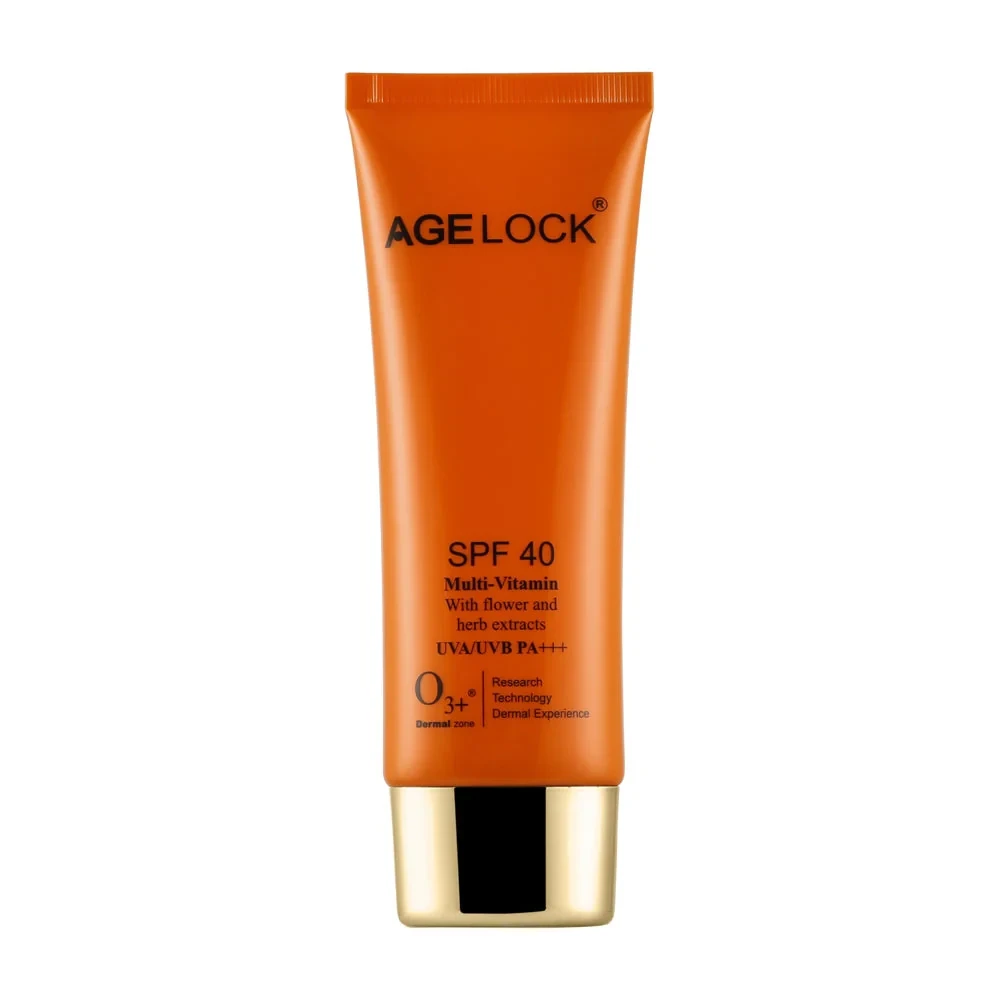
Never Skip Sunscreen: This is your non-negotiable daily step. Choose mineral-based sunscreens with zinc oxide or titanium dioxide—they're less likely to irritate sensitive skin. Apply it every single morning.
Keep It Cool: Use lukewarm water to wash your face, not hot. Pat your skin dry instead of rubbing. Avoid saunas and very hot showers.
How to Calm Eczema-Prone Skin
With eczema, moisture is your best friend.
Moisturize Like Your Life Depends on It: Apply a thick, fragrance-free cream or ointment within three minutes of getting out of the bath or shower. This locks in moisture while your skin is still damp.
Try the "Soak and Seal" Method: Take a lukewarm (not hot) bath for about 10 minutes, gently pat your skin until it's just barely damp, then immediately slather on your moisturizer.
Fight the Urge to Scratch: Keep your nails trimmed short. When the itch strikes, try a cold compress or gently pat the area instead of scratching. Scratching damages your skin barrier and makes things worse.
Choose Your Fabrics Wisely: Wear soft, breathable cotton next to your skin. Avoid wool, synthetic materials, and anything scratchy.
Use Gentle, Fragrance-Free Products: Choose laundry detergents, body washes, and soaps labeled "free and clear" or "fragrance-free." Even "unscented" products can contain masking fragrances.
Consider a Humidifier: Especially in dry winter months, a humidifier in your bedroom can prevent your skin from drying out overnight.
When Should You See a Dermatologist?
Some situations call for professional help:
· Your symptoms aren't improving with home care after a few weeks
· The redness, itching, or discomfort is affecting your quality of life
· You're not sure whether you have rosacea, eczema, or something else
· Over-the-counter treatments aren't working
· Your skin is weeping, crusting, or showing signs of infection
· You're experiencing eye symptoms along with facial redness
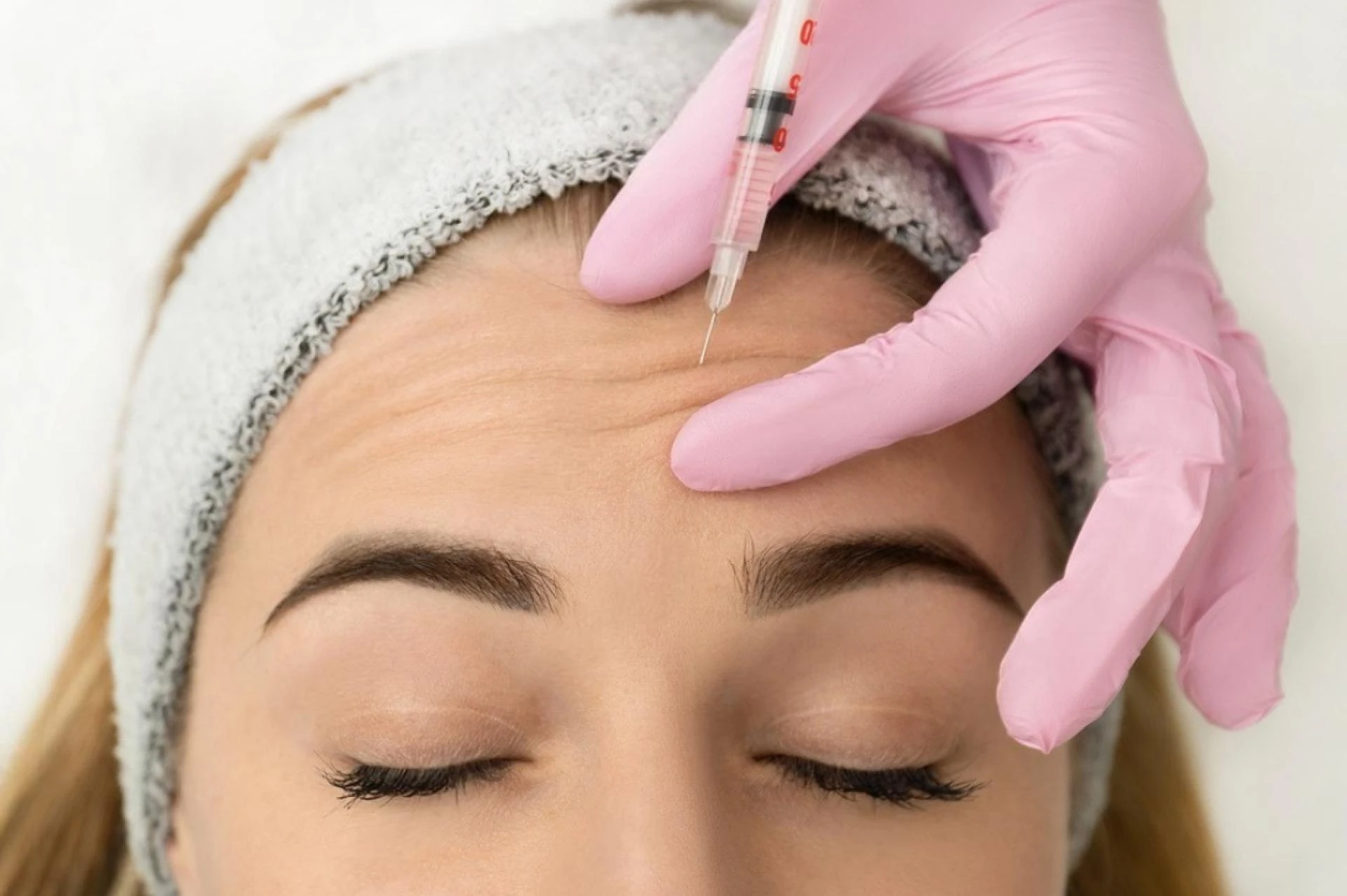
A qualified dermatologist can provide prescription treatments like topical medications, oral antibiotics for rosacea, or immunomodulators for eczema. They might also recommend light therapy or other advanced treatments.
If you're in the area, finding the best skin care clinic in Faridabad means looking for a facility with experience in chronic skin conditions. A good dermatologist clinic in Faridabad will offer comprehensive care—from accurate diagnosis to long-term management strategies tailored to your specific needs.
The Bottom Line:
Both rosacea and eczema are manageable with the right approach. Rosacea is about calming inflammation and avoiding triggers, while eczema is about restoring moisture and protecting your skin barrier. Neither condition defines you, and both can be controlled with proper care.
The first step to clearer, calmer skin is understanding what you're dealing with. Armed with this knowledge, you can make informed choices about your skincare routine and know when it's time to seek professional help.
Your skin is unique, and it deserves personalized attention. Don't let confusion or frustration keep you from getting the care you need. With the right diagnosis and treatment plan, you can achieve the healthy, comfortable skin you deserve.



















Sign in to leave a comment.