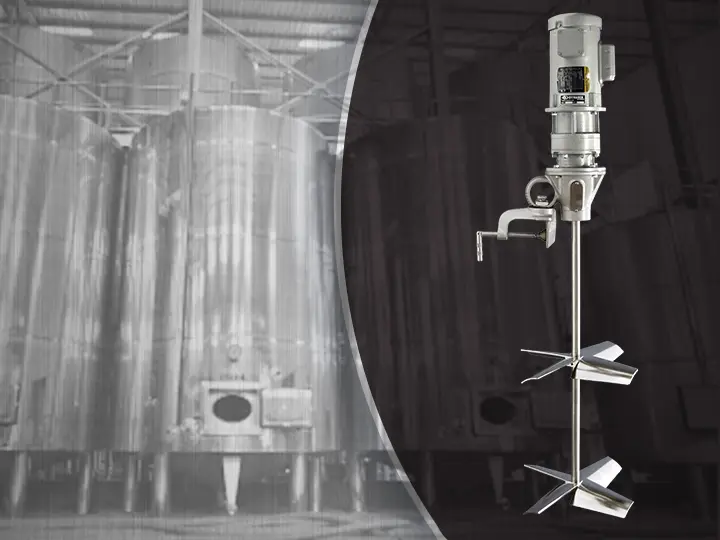
One of the most critical components supporting these goals is the chemical mixing tank. Whether used for blending raw materials or facilitating chemical reactions, selecting the right mixing tank plays a vital role in ensuring productivity, safety, and consistent output.
A chemical mixing tank is specifically designed to combine liquids, powders, or chemical substances into a uniform and homogeneous mixture. These tanks are widely used in industries such as chemical manufacturing, pharmaceuticals, water treatment, and food processing. Without the appropriate mixing equipment, businesses may face production delays, inconsistent product quality, and potential safety risks.
Key features of a chemical mixing tank
Industrial chemical mixing tanks are designed with advanced features that support demanding operational requirements. Most tanks are constructed using stainless steel or high-performance polymers, which provide resistance to corrosion, chemical reactions, and extreme temperatures.
One of the most important components of a mixing tank is the agitator or mixer. The agitator ensures that materials are evenly distributed throughout the tank, creating a consistent blend. Depending on the specific application, different mixing technologies may be used, including high-shear mixers, turbine mixers, and propeller mixers.
Tank capacity is another critical factor. Manufacturers often require tanks of varying sizes depending on batch production needs. Selecting the appropriate tank size helps maintain optimal mixing conditions while improving overall production efficiency.
Advantages of using chemical mixing tanks
Modern chemical mixing tanks provide several operational benefits that support industrial productivity:
· Enhanced mixing efficiency: Advanced mixer designs ensure faster and more uniform blending of materials.
· Improved product consistency: Proper mixing guarantees that each production batch meets quality standards.
· Increased safety: Industrial mixing tanks are engineered to safely handle hazardous chemicals, reducing the risk of leaks or contamination.
· Cost efficiency: Efficient mixing systems minimize waste, energy consumption, and maintenance expenses.
Applications across multiple industries
Chemical mixing tanks serve a wide range of industries. In water treatment facilities, these tanks mix treatment chemicals used to purify drinking water. In the pharmaceutical sector, they help blend ingredients required for medical solutions and drug production.
Chemical manufacturers also rely on mixing tanks to combine solvents, additives, and raw materials used in industrial formulations. Because these processes require precision and reliability, dependable mixing systems are essential.
Conclusion
Choosing the right chemical mixing tank is a strategic decision that directly impacts operational performance, product quality, and workplace safety. By considering factors such as chemical compatibility, mixing technology, and tank capacity, businesses can implement systems that support efficient and reliable production.
Partnering with an experienced mixing equipment supplier ensures customized solutions that align with industrial requirements while maintaining the highest safety and efficiency standards.
This article’s author is Mark Twain. For additional information regarding chemical mixing tank please continue browsing our website at therfpfirm.com.





















Sign in to leave a comment.