

Walking into almost any building today reveals something that would have looked unfamiliar just fifteen years ago. Cameras sit quietly in corners watching without anyone noticing. Doors unlock themselves for the right person and stay firmly shut for everyone else. The entire concept of protecting a space has shifted from something visible and intimidating into something woven so naturally into daily life that most people forget it is even there.
Anyone trying to make sense of all this for the first time often feels overwhelmed before they even get started. There are sensors and cameras and access panels and apps all promising to solve the same basic problem in slightly different ways. Cutting through that noise requires understanding not just what each piece of equipment does but why it exists in the first place and how it fits into a much larger picture of protection.
How We Got Here From Simple Locks and Keys
For most of history protecting a building meant nothing more complicated than a sturdy lock and someone paying attention. Watchmen walked perimeters at night and shopkeepers carried heavy keys that jingled in their pockets. This approach worked reasonably well for centuries simply because the risks themselves stayed relatively simple and predictable from one generation to the next.
Everything began changing once electricity entered the picture and made entirely new approaches suddenly possible. Alarm bells could ring the moment a window broke. Cameras could capture grainy footage that at least gave investigators somewhere to start after an incident occurred. These early innovations feel almost primitive by today's standards yet they represented a genuine leap forward at the time they were first introduced into ordinary buildings.
The real transformation arrived once computers became small enough and cheap enough to embed directly into everyday equipment. Suddenly a camera could do more than just record. It could connect to a network and send footage anywhere in the world within seconds of capturing it. This single development opened the door to almost everything that defines protective technology as we understand it today.
The Building Blocks of a Modern Setup
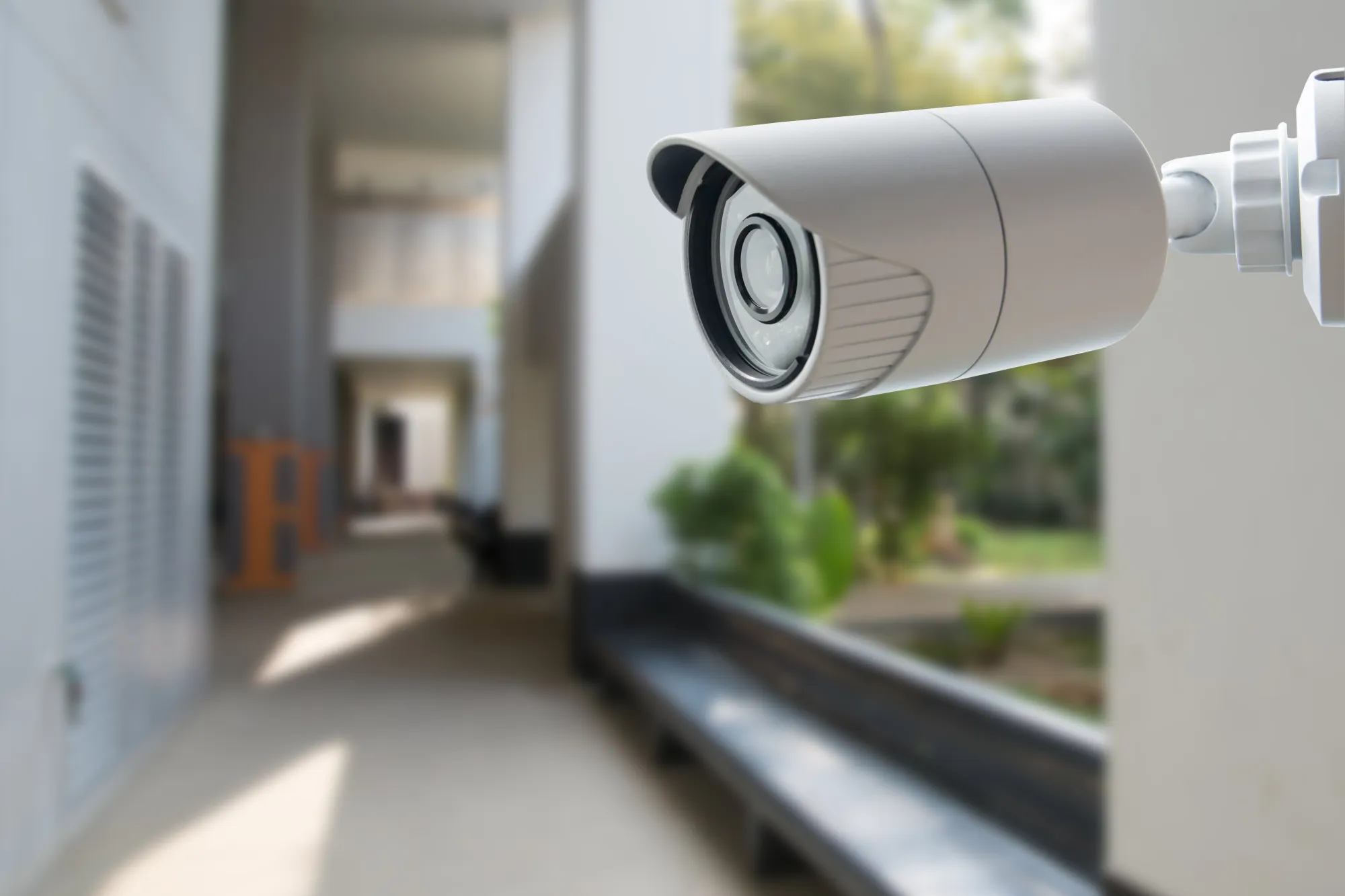
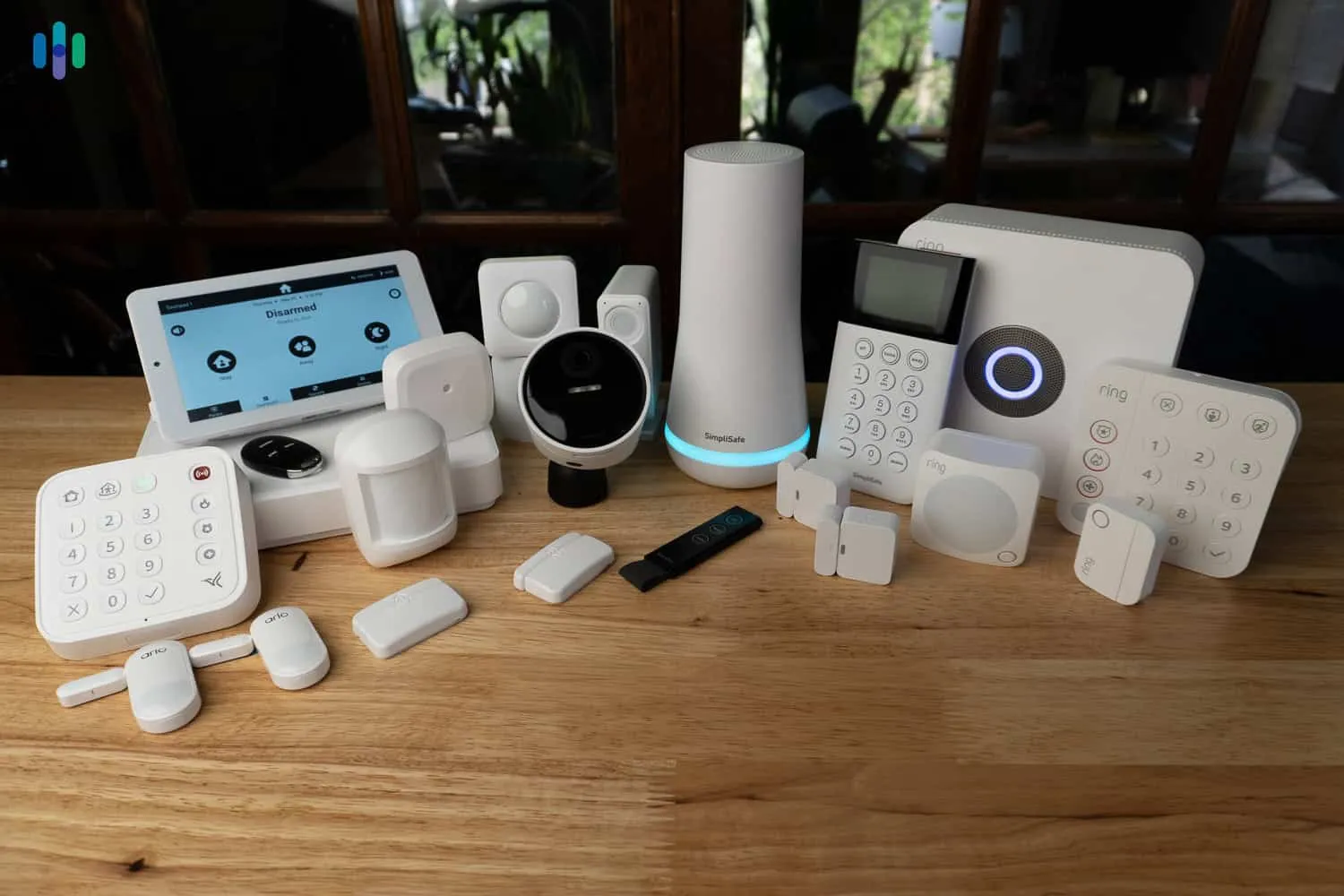
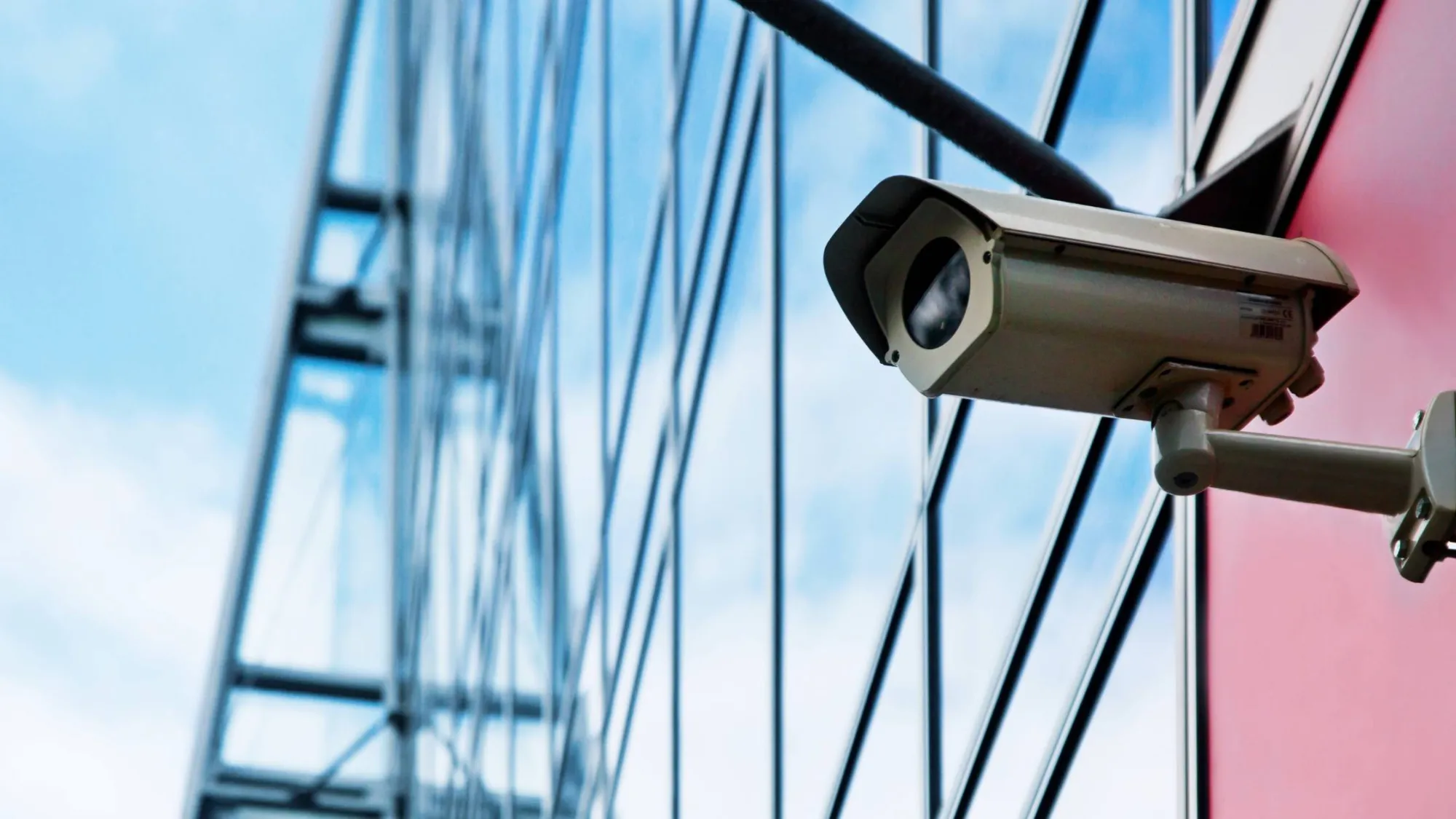
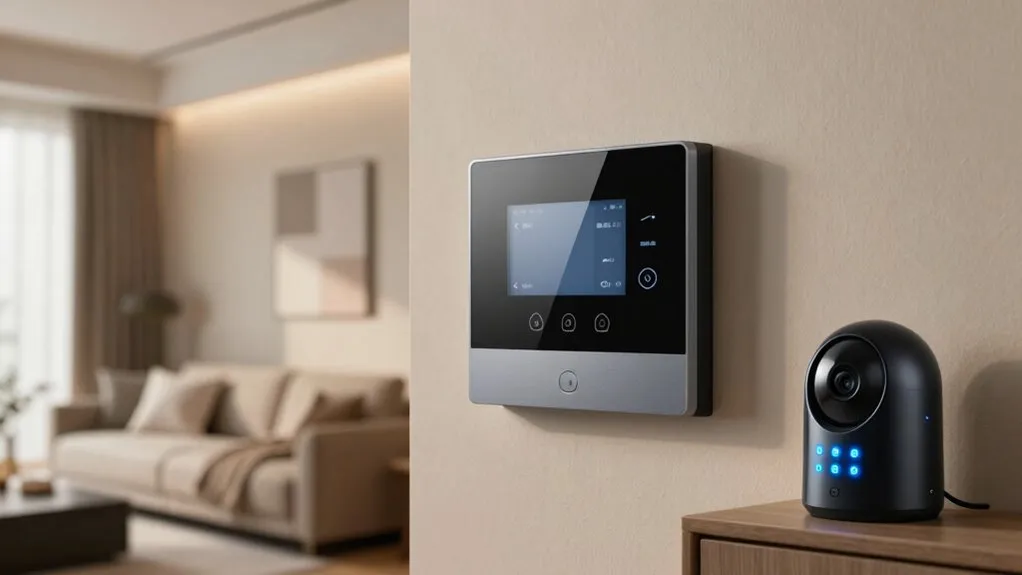
Anyone trying to understand a current protective setup needs to start with the handful of core components that show up again and again regardless of the specific building or industry involved. Cameras remain the most visible piece and they have evolved tremendously from grainy black and white footage into sharp color recordings that can zoom and pan and even see clearly in near total darkness.
Access control sits right alongside cameras as an equally important piece of the puzzle even though it often gets less attention. This includes everything from simple keycards to fingerprint scanners that decide exactly who gets through a particular door and exactly when they are allowed to do so. A well designed access system creates a detailed record of movement throughout a building that proves invaluable whenever questions arise about who was where and at what time.
Why Sensors Matter More Than People Realize
Sensors often work invisibly in the background yet they form the backbone of how a building actually detects trouble in the first place. Motion sensors catch movement in areas that should otherwise stay empty during certain hours. Door and window sensors notice the instant something opens that was supposed to remain closed. Together these small unassuming devices create a web of awareness that covers far more ground than any single camera ever could on its own.
Alarm systems pull all these signals together and decide what actually deserves a response and what can be safely ignored. A single sensor triggering once might mean nothing more than a gust of wind rattling a loose window. The same sensor triggering repeatedly alongside a door sensor and unusual movement detected by a camera paints a much clearer picture that something genuinely concerning is happening inside that building right now.
Choosing What Actually Fits a Specific Property
The mistake many people make when shopping for protective equipment is assuming more expensive automatically means better suited to their particular situation. A small retail shop has entirely different needs than a sprawling manufacturing facility or a quiet medical office handling sensitive patient records. Matching the right combination of tools to the actual risks present is far more valuable than chasing whatever feature happens to be trending at the moment.
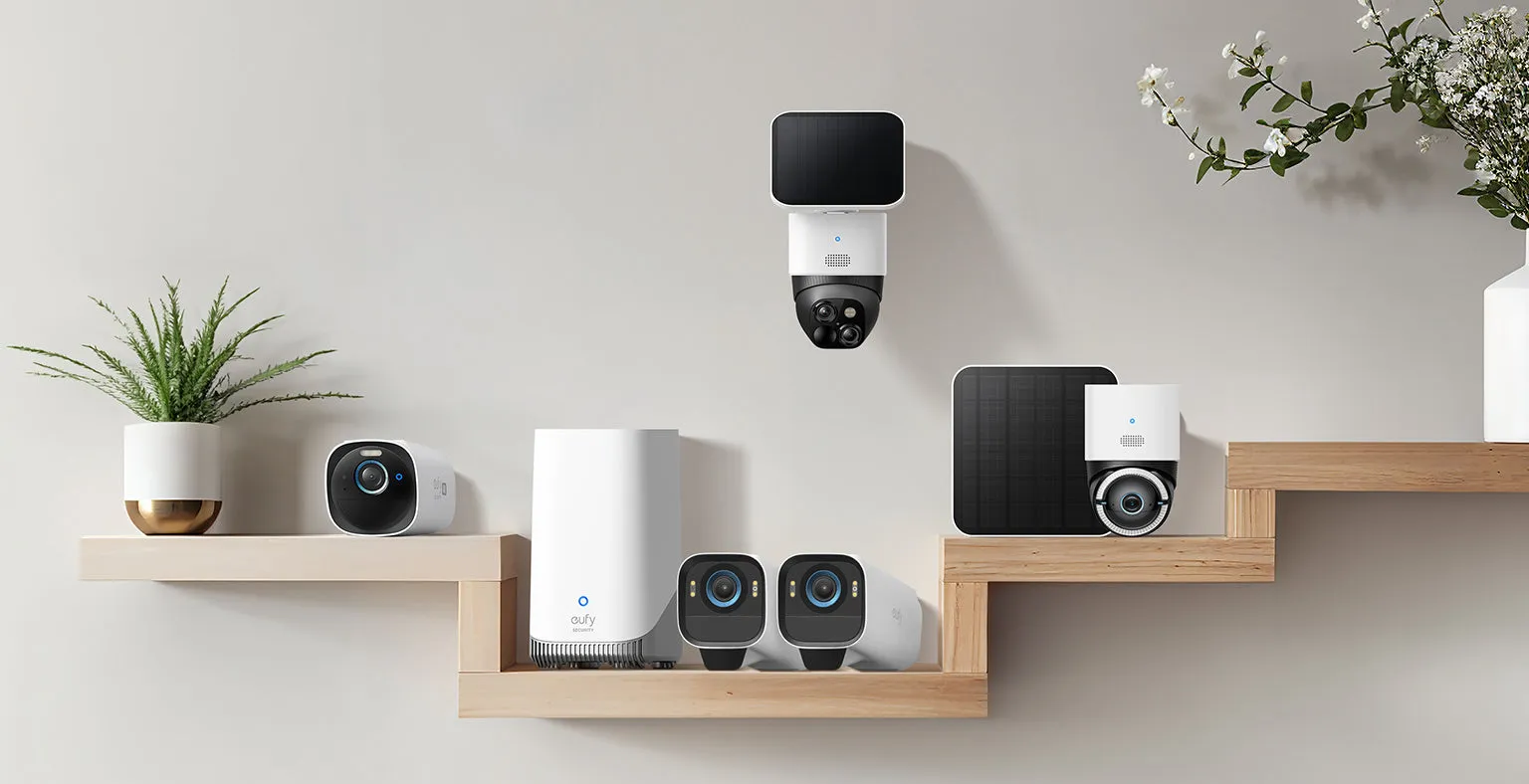
This is exactly where thoughtful modern security systems prove their worth because they can be assembled piece by piece rather than forced into a rigid package that ignores a building's actual layout and purpose. A careful provider walks the entire property first asking detailed questions about how people move through the space and where valuable items tend to be stored. Only after that conversation does it make sense to start recommending specific cameras or sensors or access points.
Budget naturally enters this conversation at some point and it deserves an honest discussion rather than vague reassurances. Quality equipment does cost more upfront than bargain alternatives found through quick searches online. That higher initial cost often gets balanced out over several years through fewer incidents and lower insurance premiums that add up steadily in the background of a business that might otherwise overlook these long term savings entirely.
Bringing Everything Together for Lasting Protection
None of this technology delivers real value unless the people inside a building understand how to use it properly on an everyday basis. Training tends to get treated as a quick formality during onboarding and then forgotten about for years afterward. Businesses that revisit this training regularly tend to see far better results because their employees actually know how to respond when something genuinely goes wrong.
Providers who understand this balance between equipment and people tend to build relationships that last far longer than a single installation appointment. United Security Systems has emphasized this exact approach by treating every project as an ongoing partnership rather than a one time transaction that ends the moment equipment gets bolted into place. That mindset tends to produce results that satisfy customers long after the initial installation has finished and everyone has moved on to other priorities.
Looking forward from where this technology currently stands it seems clear that the pace of change shows no signs of slowing down anytime soon. Buildings will keep getting smarter and more responsive in ways that feel almost impossible to predict from today's vantage point. What will never change is the basic human need to feel safe in the places where people work and gather and build their lives and that simple need will continue driving this entire field forward for many years to come.






















Sign in to leave a comment.