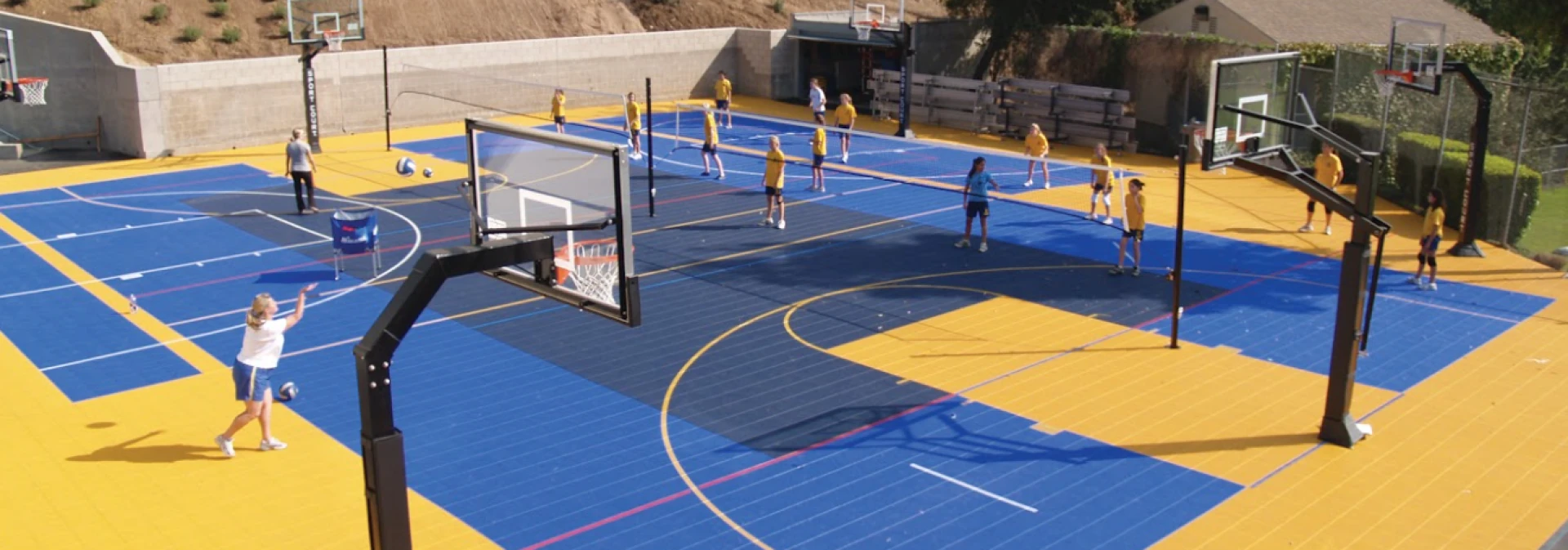

A well-designed backyard sports space can transform the way families stay active and entertained at home. One of the most popular upgrades for homeowners today is residential basketball court installation. Whether you want a full-size court or a compact half-court for casual games, installing a basketball court at home provides a fun, convenient, and long-lasting recreational area for the entire family.
The first step in any residential basketball court installation is proper planning and design. Homeowners must consider the available space, court size, orientation, and surface material. A standard half-court requires less space and is ideal for most backyards, while a full court offers a professional playing experience. Careful planning ensures the court fits comfortably within the property while still providing safe playing space around the perimeter.
Choosing the right surface is another crucial factor in the installation process. Many residential courts use modular sport tiles, asphalt, or concrete as their base. Modular sport tiles have become increasingly popular because they provide excellent traction, shock absorption, and durability. They also help reduce stress on joints and improve overall playing comfort compared to traditional hard surfaces.
Proper drainage and base preparation are essential to ensure the longevity of the court. Before installing the playing surface, contractors typically prepare a stable concrete or asphalt foundation. This base prevents shifting, cracking, and water accumulation that could damage the court over time. In outdoor courts, drainage systems help keep the surface dry and safe after rainfall.
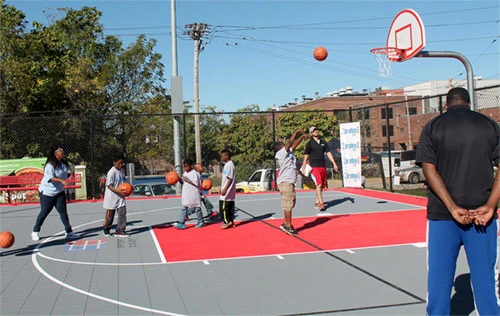
Another important aspect of residential basketball court installation is equipment selection. High-quality basketball hoops, backboards, and court markings are necessary for a professional playing experience. Adjustable hoops are especially popular for families because they allow players of different ages and skill levels to enjoy the game. Adding court lines, lighting, and fencing can further enhance the functionality and appearance of the court.
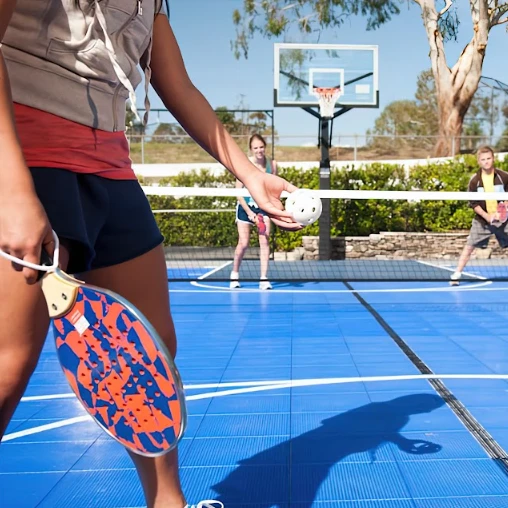
Customization options also make residential courts more attractive to homeowners. Many people choose personalized colors, team logos, or multi-sport line markings that allow the court to be used for activities such as pickleball, volleyball, or badminton. This flexibility makes a residential sport court a versatile investment that supports multiple recreational activities.
Beyond recreation, a residential basketball court can also increase the value of a property. Homes with dedicated sports areas are often more appealing to buyers who value outdoor entertainment and active lifestyles. A professionally installed court demonstrates quality construction and thoughtful design, which can positively impact resale potential.
Maintenance is relatively simple for most modern basketball courts. Regular cleaning, occasional surface inspections, and minor repairs can keep the court in excellent condition for many years. Modular tile systems, in particular, make maintenance easy because individual sections can be replaced if needed.
In conclusion, residential basketball court installation is a fantastic way to enhance your home’s outdoor space while encouraging physical activity and family bonding. With proper planning, quality materials, and professional installation, homeowners can enjoy a durable, safe, and exciting basketball court right in their backyard. Whether for practice, friendly competition, or casual play, a residential court provides years of enjoyment and lasting value.

























Sign in to leave a comment.