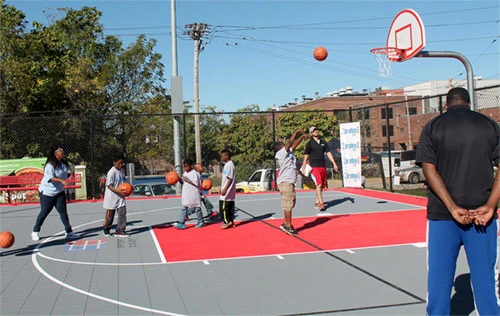

Basketball court construction is more than laying down a surface and installing a hoop. It’s a detailed process that combines planning, engineering, and professional craftsmanship to create a court that performs well, stays safe, and lasts for years. Whether the project is residential or commercial, the right construction approach makes all the difference in playability and long-term value.
The first step in basketball court construction is proper site evaluation. Space availability, soil condition, drainage, and surrounding structures all influence the final design. A well-prepared site ensures the court remains level and stable, preventing issues such as cracks, water pooling, or uneven ball bounce. This phase is critical, especially for outdoor courts exposed to weather changes throughout the year.
Once the site is prepared, selecting the right base is essential. Asphalt and concrete are commonly used foundations due to their durability and strength. These materials provide a solid base that supports the playing surface and withstands frequent use. Proper grading and compaction during this stage help extend the life of the court and reduce future maintenance costs.
Surface selection is another major factor in basketball court construction. Modern court surfaces are engineered to provide consistent traction, reliable ball response, and player comfort. High-quality sport surfaces also offer shock absorption, which helps reduce strain on joints during intense play. Choosing the right surface ensures the court meets both performance and safety standards for players of all ages.
Accurate court layout and striping are just as important as the surface itself. Regulation measurements, clear boundary lines, and properly placed key areas contribute to a professional playing experience. Precision during this stage enhances both the functionality and visual appeal of the court, whether it’s designed for casual play or competitive training.
Hoop systems and accessories complete the construction process. Adjustable hoops, durable backboards, and secure mounting systems allow the court to accommodate different age groups and skill levels. Additional features such as lighting, fencing, and seating can further enhance usability, allowing games to continue into the evening and keeping play areas organized and safe.
Professional installation is strongly recommended for basketball court construction projects. Experienced contractors understand how to manage each stage of the process, from site preparation to final inspection. Their expertise helps avoid common issues like improper drainage, surface wear, or misaligned components. Working with specialists also ensures that materials are installed according to manufacturer guidelines and industry best practices.
Maintenance is the final consideration in long-term court performance. Routine cleaning, surface inspections, and timely repairs help preserve play quality and appearance. Courts built with high-quality materials and professional construction techniques typically require less upkeep and deliver better value over time.
For homeowners, schools, and facilities planning a basketball court, choosing the right construction partner is essential. Companies like Sport Court Northeast specialize in basketball court construction, offering custom solutions tailored to specific spaces, usage needs, and budgets. Their professional approach ensures courts are built to perform, withstand weather, and remain enjoyable for years.
In conclusion, basketball court construction is an investment in recreation, fitness, and community. By focusing on proper planning, quality materials, and expert installation, you can create a court that delivers exceptional performance and lasting enjoyment. Whether for a backyard or a large facility, a well-constructed basketball court becomes a space where skills grow, memories form, and the love of the game thrives.
























Sign in to leave a comment.