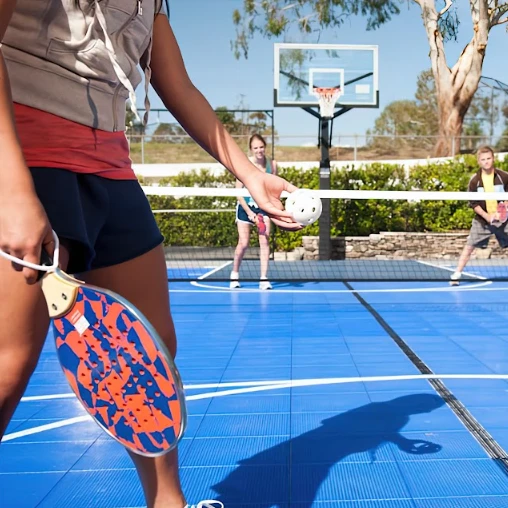

A well-planned basketball court design is the foundation of an enjoyable and high-performing playing environment. Whether you are building a court for residential, school, or commercial use, the design stage plays a critical role in determining how the court looks, feels, and performs over time. A thoughtful approach ensures safety, durability, and a professional playing experience.
The first step in effective basketball court design is understanding the available space and selecting the right dimensions. A standard full-size court measures about 94 feet by 50 feet, but smaller or custom layouts can be created to suit backyard or recreational needs. Proper spacing around the court is also important to allow safe movement and prevent injuries during play.
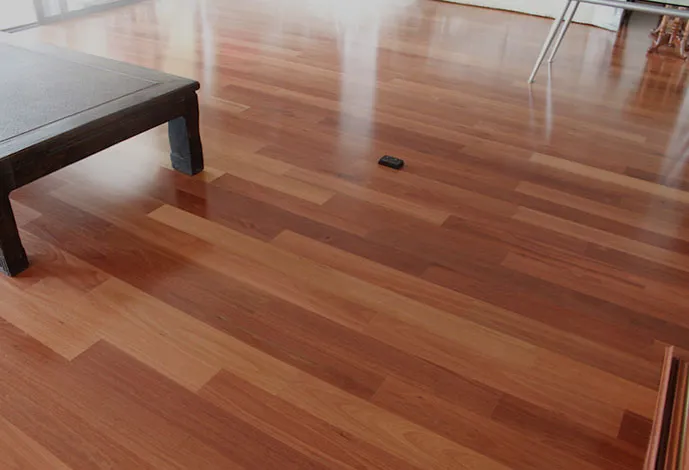
Surface selection is another key element in basketball court design. The choice of material directly impacts player performance, safety, and maintenance requirements. Indoor courts typically use hardwood for its excellent grip and consistent ball bounce, while outdoor courts often rely on concrete, asphalt, or synthetic materials for durability and weather resistance. Choosing the right surface ensures long-term usability and enhances the overall playing experience.
Court layout and markings are equally important in achieving a professional basketball court design. Clear and accurate lines for the three-point area, free-throw line, and boundaries are essential for proper gameplay. These markings not only improve game accuracy but also help players understand positioning and movement on the court.
Another crucial aspect of basketball court design is incorporating essential features such as hoops, lighting, and fencing. Adjustable hoops are ideal for players of different ages and skill levels, while proper lighting allows for safe play during evenings. Additional features like seating areas, scoreboards, and protective fencing can enhance both functionality and user experience.
Drainage and site preparation also play a major role, especially for outdoor courts. A slight slope and proper drainage system help prevent water buildup, protecting the surface from damage and ensuring the court remains playable in various weather conditions. Ignoring these factors can lead to long-term maintenance issues and reduced court lifespan.
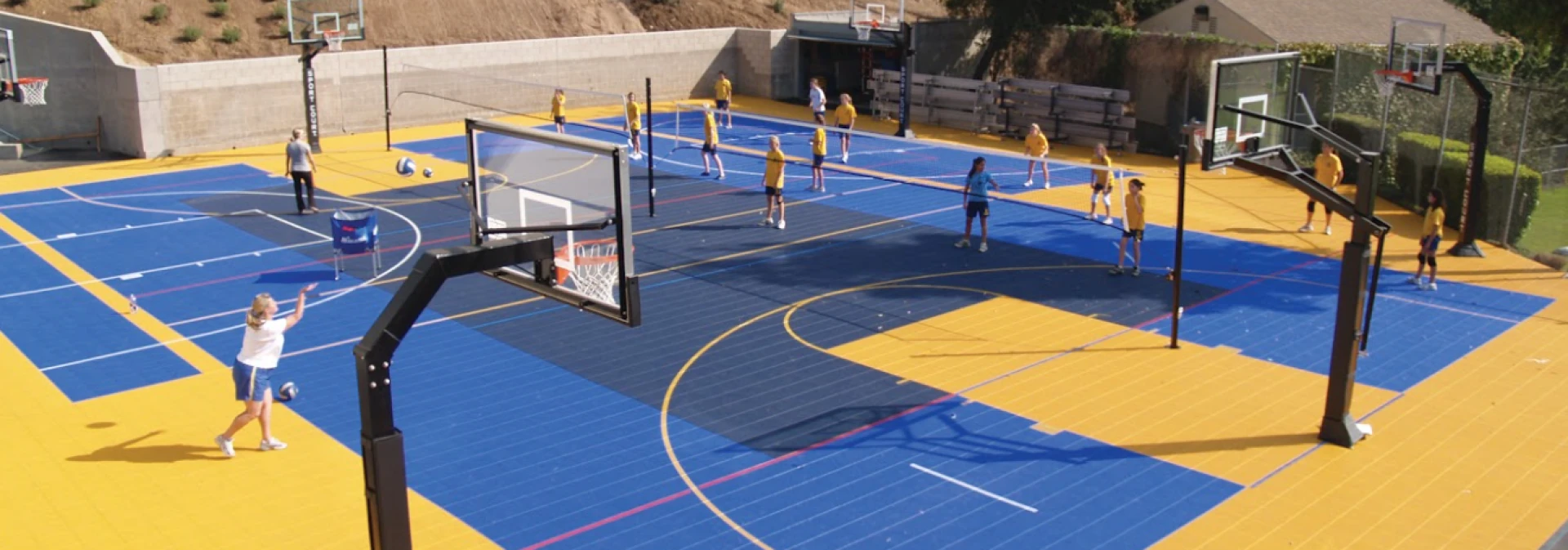
Customization is one of the most exciting parts of modern basketball court design. From color schemes and logos to multi-sport functionality, courts can be tailored to match personal preferences or branding requirements. This flexibility allows homeowners and organizations to create unique and visually appealing spaces.
Finally, working with experienced professionals ensures that every aspect of the basketball court design is executed correctly. Experts bring knowledge of materials, layout standards, and installation techniques, helping you avoid costly mistakes and achieve a high-quality result.
In conclusion, a successful basketball court design goes beyond aesthetics. It combines proper planning, quality materials, and expert execution to create a safe, durable, and enjoyable playing environment. Whether for casual play or competitive training, investing in the right design ensures your basketball court delivers long-lasting value and performance.























Sign in to leave a comment.