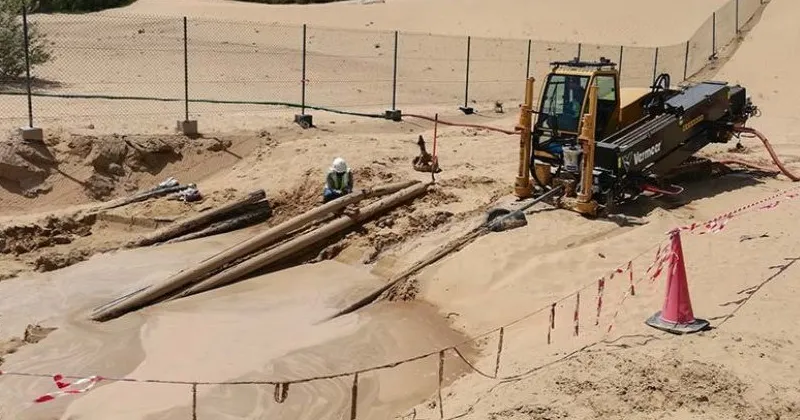

Modern infrastructure demands smarter, faster, and less disruptive construction techniques. One such innovation transforming the industry is Excavation without trenches. This method allows underground installation, repair, or replacement of pipelines and utilities without the need for extensive digging. As urban areas grow denser and environmental concerns rise, this approach has become an essential solution for engineers and contractors alike.
1. Understanding Trenchless Excavation
Trenchless excavation refers to a group of techniques used to install or repair underground utilities with minimal surface disruption. Unlike traditional open-cut methods that require large trenches, these techniques work below the ground while preserving the surface above. This makes them particularly useful in busy urban settings, environmentally sensitive areas, and locations with existing infrastructure.
2. Common Methods Used
Several techniques fall under trenchless excavation, each suited for specific project needs:
- Horizontal Directional Drilling (HDD):
A widely used method where a pilot hole is drilled horizontally, followed by the installation of pipes. It is ideal for crossing roads, rivers, and railways.
- Pipe Bursting:
This method replaces old pipelines by breaking the existing pipe while simultaneously pulling a new one into place. It is efficient for upgrading aging systems.
- Microtunneling:
A highly precise, remote-controlled method used for installing pipelines with minimal human entry. It is often used in complex urban projects.
- Auger Boring:
This technique uses a rotating auger to remove soil while installing casing pipes, commonly used for short, straight drives.
- Slip Lining:
A rehabilitation method where a new pipe is inserted into an existing damaged pipe, improving its structural integrity.
3. Key Benefits of Excavation without trenches
The growing popularity of this method is driven by its numerous advantages:
- Minimal Surface Disruption:
Roads, landscapes, and structures remain largely intact, reducing inconvenience to the public and businesses.
- Cost Efficiency:
Although initial costs may seem higher, savings on restoration, labor, and time often make it more economical overall.
- Faster Project Completion:
With less excavation and fewer obstacles, projects can be completed more quickly compared to traditional methods.
- Environmental Protection:
Reduced digging means less soil disturbance, lower emissions, and minimal impact on ecosystems.
- Improved Safety:
Limited open trenches decrease the risk of accidents for workers and the public.
Applications Across Industries
Trenchless methods are widely used across various sectors, including:
- Water and sewer pipeline installation
- Gas and oil pipeline construction
- Telecommunications and fiber optic cable laying
- Utility repairs in urban and industrial areas
These applications demonstrate the versatility and efficiency of the technology in both new installations and rehabilitation projects.
Final Thoughts
As infrastructure demands continue to evolve, trenchless solutions are becoming the preferred choice for modern construction challenges. They not only improve efficiency but also align with sustainability goals and urban development needs. By minimizing disruption and maximizing precision, this approach is reshaping how underground work is carried out. At Inframaxuae, adopting advanced trenchless techniques ensures reliable, cost-effective, and environmentally responsible project execution for today’s infrastructure demands.





























Sign in to leave a comment.