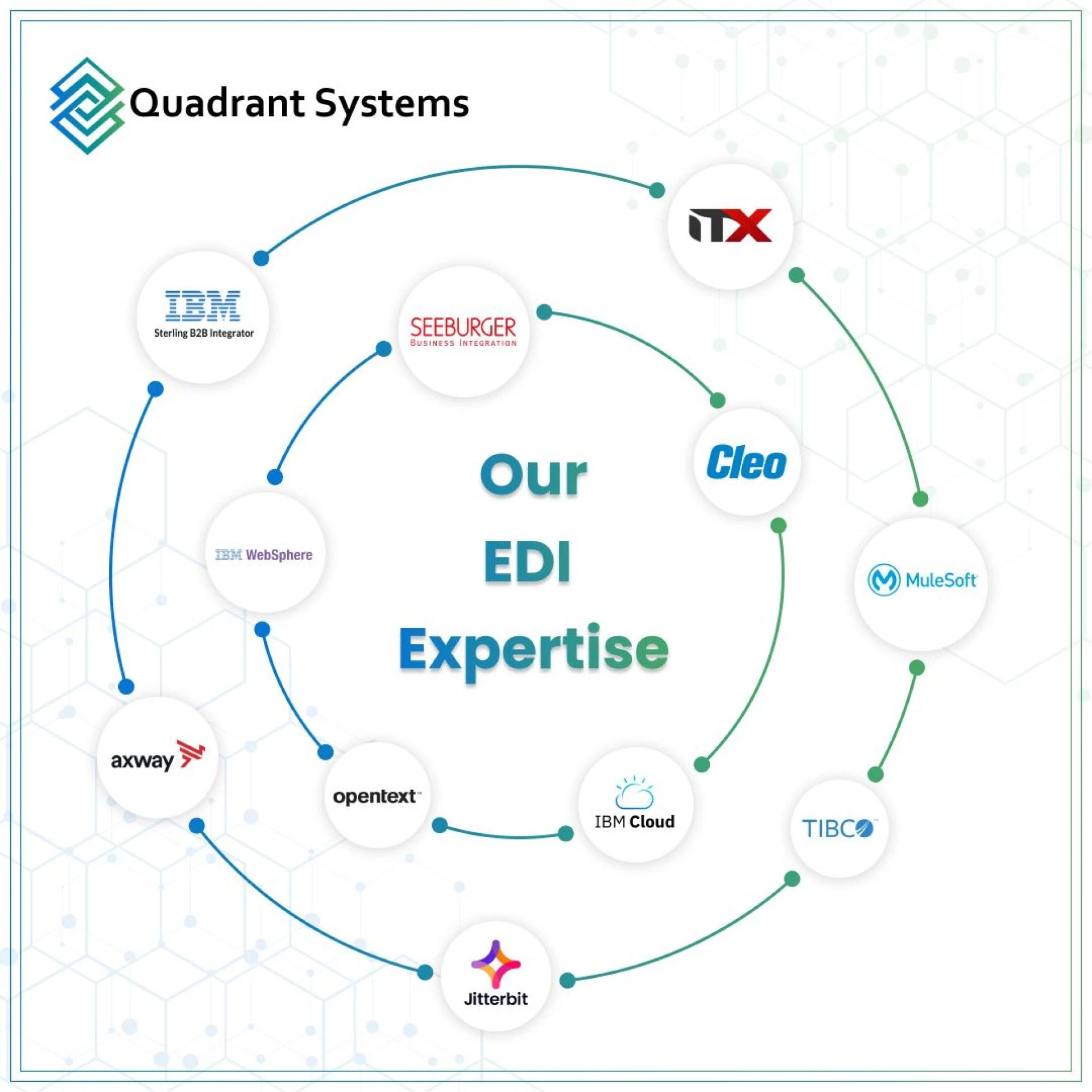

In the fast-paced world of business, efficient and seamless communication between trading partners is crucial for success. Electronic Data Interchange (EDI) has emerged as a key player in facilitating the exchange of business documents in a standardized electronic format. As businesses strive to enhance operational efficiency and reduce manual errors, the role of EDI service providers becomes increasingly vital. In this blog post, we'll explore the world of EDI service providers, their significance, and the benefits they bring to businesses.
What is EDI?
Electronic Data Interchange (EDI) refers to the electronic exchange of business documents, such as purchase orders, invoices, and shipping notices, between trading partners. This technology eliminates the need for paper-based transactions, reducing manual efforts and the likelihood of errors. EDI plays a crucial role in various industries, including retail, healthcare, manufacturing, and logistics.
The Role of EDI Service Providers
EDI implementation can be complex, requiring expertise in both technology and business processes. This is where EDI service providers come into play. These specialized companies offer a range of services to help businesses seamlessly integrate and manage their EDI transactions.
Implementation Services: EDI service providers assist businesses in setting up and implementing EDI systems. This includes mapping out data elements, defining communication protocols, and ensuring compatibility between different trading partners.
Data Translation and Mapping: One of the key functions of EDI service providers is to translate data between the internal format used by a business and the standardized EDI format. This ensures that information can be accurately exchanged between trading partners.
Trading Partner Management: EDI service providers help businesses establish and manage connections with their trading partners. This involves coordinating testing phases, resolving compatibility issues, and ensuring compliance with industry-specific EDI standards.
Monitoring and Support: Continuous monitoring is crucial to identify and address any issues that may arise during EDI transactions. Service providers offer support services, including real-time monitoring, issue resolution, and maintenance, to ensure smooth operations.
Benefits of Using EDI Service Providers
Cost Efficiency: Outsourcing EDI services can be more cost-effective than maintaining an in-house EDI team. Service providers often have the infrastructure and expertise needed to handle EDI processes efficiently.
Improved Accuracy: EDI service providers reduce the risk of manual errors associated with traditional paper-based transactions. This leads to increased accuracy in data exchange and helps businesses maintain better relationships with their partners.
Scalability: As businesses grow, their EDI requirements may change. EDI service providers offer scalable solutions that can adapt to evolving business needs, ensuring continued efficiency as the organization expands.
Compliance with Industry Standards: Different industries often have specific EDI standards that must be adhered to. Service providers stay up-to-date with these standards and ensure that their clients' EDI systems comply with industry regulations.
Conclusion
In a world where efficiency and accuracy are paramount, EDI service providers play a critical role in streamlining business operations. By leveraging their expertise, businesses can navigate the complexities of EDI implementation, reduce operational costs, and enhance overall productivity. As industries continue to embrace digital transformation, the partnership between businesses and EDI service providers will become increasingly essential for sustained success.























Sign in to leave a comment.