

If there’s one metric liquor store owners should watch, it’s profit margin. Liquor stores face several challenges in profitability. Narrow margins are at the top.
Therefore, by focusing on increasing profit margin, a liquor store owner can unlock profitability. But ultimately, this isn’t easy. Pricing pressure and changing costs, for example, are two potential problems that influence profit margin.
Ultimately, there are a range of solutions liquor stores can try. Personalized customer experience, curated selections, and value-added services like tasting events, for example, can all help to improve profit margin. This guide offers solutions liquor store owners can use, including managing costs, strategic pricing, and using technology efficiently.
What Are Profit Margins?
Profit margin is the percentage of revenue retained as profit after deducting expenses. It is a useful metric because it provides insights into business efficiency, pricing strategies, and overall profitability. Ultimately, business owners can use it to guide strategic business decisions and ensure sustainable growth.
Studying profit margins helps businesses understand their position in the market. It also helps them find areas to improve. Further, it allows them to make smart decisions to improve financial health and sustainability.
For example, a store owner could compare profit margins by category. If one category has narrow margins, the store owner could focus on promotions to improve them. If red wines had the lowest margins, for instance, a liquor store could offer bundles, volume discounts, or upsells (like corkscrews or glass sets) to drive up average orders.
Factors That Affect Profit Margins in Liquor Stores
Liquor store owners can improve margins by focusing on factors that they can control and manage. Some key factors include:
Cost of Goods Sold (COGS)
The cost of goods sold directly impacts profit margins. Factors that influence COGS include wholesale purchase prices, taxes, shipping costs, and promotions or discounts. Liquor store owners can manage COGS efficiently through negotiation with suppliers, bulk buying, and strategic inventory management.
Pricing Strategy
How you set pricing can significantly affect profit margins. However, it’s not as simple as saying, “I want 40% margins,” and then setting your prices accordingly. Your competitors may lower their prices to compete with you, and if you charge more, you may lose customers.
Some strategies you can use to maximize prices include dynamic pricing, dual pricing, seasonal pricing, or bundling. With bundling, for example, you group 2 or more items together and offer a discounted price. This drives up average order value, a key driver of increased margins.
Inventory Management
Effective inventory management plays an important role in increasing profit margins for liquor store businesses. Keeping just enough inventory to meet demand helps save money by avoiding excess stock and reducing holding costs.
Using inventory management software, implementing FIFO (First In, First Out) practices, and carrying out regular inventory audits help streamline operations and maximize profitability.
How to Calculate Profit Margins for Liquor Stores?
What exactly is the profit margin of your business? Start by calculating this metric as a baseline. This will provide you with a starting point to improve on.
Here's how you can calculate various profit margin metrics:
Gross Profit Margin
You can calculate gross profit margin by deducting the cost of goods sold (COGS) from total revenue. Divide this result by total revenue and multiply it by 100 to express it in the form of a percentage.
It represents the revenue after accounting for the direct costs of producing goods like wholesale purchase prices and taxes. This profit margin further indicates the efficiency of a liquor store’s pricing and purchasing strategies in generating profit before considering operating expenses.
Net Profit Margin
You can calculate net profit margin by subtracting expenses like COGS, operating costs, taxes, and interest from total revenue. Then divide the result by total revenue and multiply it by 100 to express it in the form of a percentage.
It shows how much money a liquor store makes after paying for all expenses and costs to run the business. It offers a comprehensive view of the financial health of the store and its efficiency in generating profit.
The Impact of Regulatory Compliance on Profit Margins
Compliance is another challenge in the liquor retail business. Liquor stores have various tax requirements and minimum mark-up laws, which limit pricing strategy decisions. Here are a few to be aware of:
Taxes and Fees
Regulatory compliance often includes significant taxes and fees for liquor stores, which can directly impact profit margins. This may include taxes on alcohol sales, sales tax, and other fees from local, state, or federal governments.
Complying with tax obligations reduces profit margins by increasing operating expenses, thereby affecting the overall profitability of the business. These can often be offset with price increases.
Minimum Markup Laws
Minimum markup laws help liquor retailers keep a minimum profit margin on alcohol sales, affecting their profit margins directly. These laws dictate the minimum percentage by which the retail price must exceed the wholesale purchase price.
Minimum markup laws prevent unfair pricing. These laws can limit how liquor stores set their prices and make a profit. As a result, competition and the ability to adjust pricing strategies may impact.
Licensing and Renewal Cost
Operating a liquor store requires obtaining and renewing licenses, which involve licensing fees that vary depending on jurisdiction and regulatory requirements. These costs contribute to the business's overhead expenses and reduce profit margins.
Compliance with licensing regulations involves administrative expenses like application fees, background checks, and compliance training, further impacting profitability.
Strategies to Increase Liquor Store Profit Margins
There are numerous ways that liquor store owners can improve margins. Here are some of the most effective strategies:
Strategic Product Placement
Arrange your store’s layout strategically to boost sales and profits by placing high-profit items in busy areas. Highlighting premium or specialty items and creating attractive displays encourages impulse purchases and drives profits.
Negotiate with Suppliers
Negotiating good deals with suppliers helps lower the cost of goods sold and increase profits. These deals may include discounts for buying in bulk or for longer payment terms.
By securing these favorable terms, businesses can save money on their expenses and improve their bottom line. Building solid relationships with suppliers and exploring alternative sourcing options leads to better pricing and increased profitability.
Offer Value-Added Services
Providing value-added services like event hosting, tastings, or personalized recommendations differentiate liquor stores and attract customers who are willing to pay premium rates. By delivering unique experiences or expertise, you can encourage customer loyalty and justify higher prices, thereby increasing profit margins.
Leverage Technology
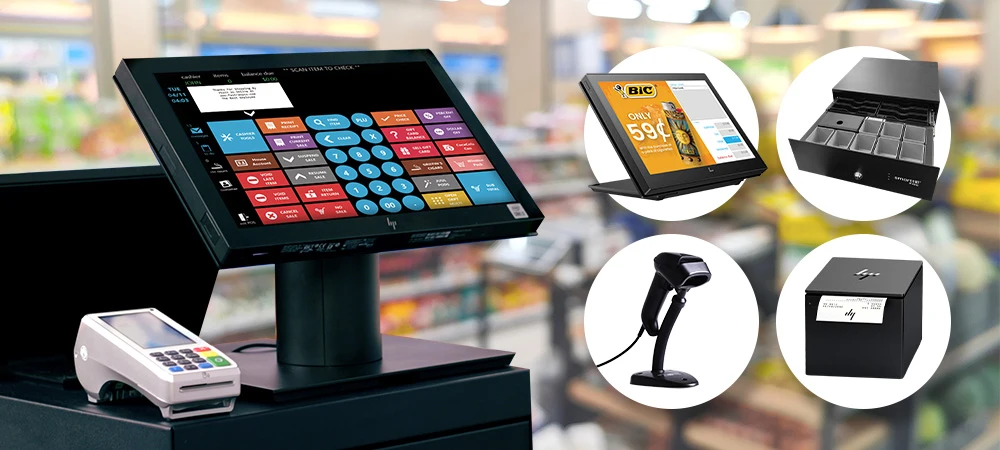
Implement technology solutions like inventory management systems, point-of-sale (POS) systems, and online ordering platforms. This helps streamline routine operations, improves efficiency, and reduces costs.
You can optimize resource allocation and maximize profit margins by leveraging technology to automate tasks, track sales data, and manage inventory effectively.
Employee Training and Retention
Investing in employee training and development programs is crucial for improving customer service, product knowledge, and sales skills. This leads to higher customer satisfaction and loyalty.
Happy and motivated employees are likely to offer excellent service and upsell premium products. This helps drive sales and improve profit margins. Reducing employee turnover through competitive compensation and recognition programs help lower training and recruitment costs, further contributing to profitability.
Technology and Tools for Retail Profit Margin Improvement
Here, we will discuss useful technology and tools that will help in retail profit margin improvement and create a positive difference for retail stores:
Inventory Management Software
Inventory management software automates and streamlines the tracking of stock levels, orders, and sales data. This enables liquor store owners to optimize inventory management practices.
Get real-time insights into inventory levels, turnover rates, and product performance. This technology minimizes stockout, reduces carrying costs, and identifies opportunities to increase profit margins through strategic inventory management.
Pricing Software
Pricing software helps liquor store owners decide how much to charge for products based on demand, competition, and profit goals.
By analyzing market trends and sales data, pricing software helps optimize pricing strategies to maximize profitability while remaining competitive. Dynamic pricing capabilities allow flexible pricing adjustments, ensuring optimal margins and revenue generation.
Data Analytics
Data analytics tool enables liquor store owners to analyze sales data, customer preferences, and buying behavior of customers. This helps identify buying trends, patterns, and opportunities for margin improvement.
By leveraging advanced analytics techniques like predictive modeling and segmentation, businesses provide useful insights into customer demographics, product performance, and pricing flexibility.
This information helps in informed decision-making, enabling liquor store owners to customize marketing efforts, optimize product offerings, and implement pricing strategies. This helps increase profit margins and drive business growth.
The Bottom Line
Ongoing margin management is of great importance in the retail industry to ensure sustainable profitability and competitiveness. With constant monitoring and optimizing profit margins, businesses can identify areas for improvement, make informed pricing decisions, and maximize revenue generation.
Retail profit margin improvement initiatives like strategic pricing adjustments, inventory optimization, and leveraging technology for analyzing data help improve profit margins and drives success.



























Sign in to leave a comment.