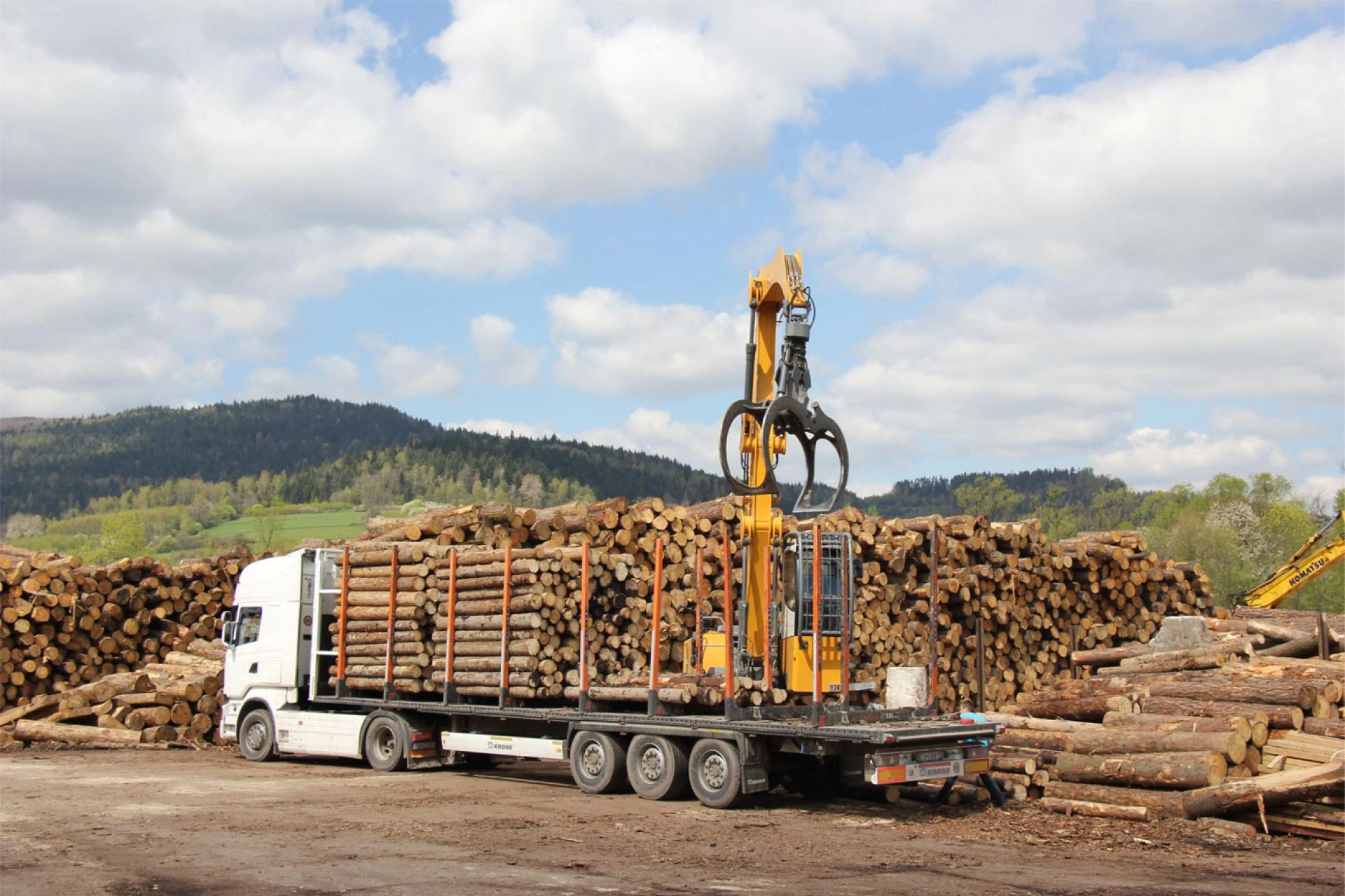

New Zealand\'s commitment to combating climate change is evident through its innovative Emissions Trading Scheme (ETS), a pivotal mechanism designed to reduce greenhouse gases by incentivising carbon sequestration. Forestry plays a crucial role in this scheme, offering landowners and investors the opportunity to generate carbon credits by capturing carbon dioxide through sustainable forest management practices. This comprehensive guide delves into how New Zealand\'s ETS works for foresters, highlighting strategies for maximising carbon credits and the significant role of expert consulting in navigating this complex landscape.
Understanding New Zealand\'s ETS for Forestry
New Zealand\'s ETS is a cornerstone of the country\'s climate change policy, encouraging the reduction of carbon emissions through a cap-and-trade system. For the forestry sector, this scheme presents a unique opportunity, as forests act as carbon sinks, absorbing CO2 from the atmosphere. Foresters participating in the ETS can earn carbon credits for the carbon sequestered by their trees, which can then be sold to emitters looking to offset their carbon footprint. Understanding the rules, obligations, and benefits of the ETS is essential for foresters aiming to capitalise on this opportunity.
The Process of Earning and Trading Carbon Credits
Earning carbon credits through forestry involves several steps, from registering a forestry project under the ETS to accurately measuring and reporting the amount of carbon sequestered. The scheme differentiates between various types of forestry activities, including afforestation, reforestation, and forest management, each with its specific eligibility criteria and carbon accounting methodologies. Once earned, these carbon credits can be traded on the open market, providing a revenue stream for foresters while contributing to New Zealand\'s greenhouse gas reduction targets.
Strategies for Maximising Carbon Credits
Maximising carbon credits requires a strategic approach to forest management, focusing on practices that enhance the growth and health of forests. Selecting the right tree species, implementing effective pest and disease management, and adopting silvicultural techniques that boost carbon sequestration are key strategies. Additionally, understanding the temporal aspects of carbon sequestration—recognising how different tree species and forest types accumulate carbon over time—is crucial for optimising carbon credit generation.
The Role of Expert Consulting in Navigating the ETS
Navigating New Zealand\'s ETS can be complex, with evolving regulations, reporting requirements, and market conditions. Partnering with expert consultants, such as those provided by Forest360, is invaluable for foresters looking to engage with the ETS successfully. These experts offer guidance on regulatory compliance, carbon accounting, and market insights, ensuring that foresters make informed decisions to maximise their carbon credits and financial returns. Expert consulting also helps in identifying potential risks and opportunities within the carbon market, allowing foresters to strategise accordingly.
Challenges and Considerations in the Carbon Market
While the ETS offers significant opportunities for foresters, there are challenges and considerations to be aware of. Market volatility, regulatory changes, and the impact of climate change on forest health can affect the value and availability of carbon credits. Foresters must stay informed and adaptable, leveraging expert advice to navigate these uncertainties. Additionally, considering the long-term implications of carbon commitments is essential, as decisions made today can impact land use and management options in the future.
Forest360: Guiding Foresters Through the ETS Landscape
Forest360 stands at the forefront of providing comprehensive ETS carbon consulting services, offering foresters the expertise needed to thrive in New Zealand\'s carbon market. By assisting with everything from initial ETS registration to ongoing management and compliance, Forest360 ensures that foresters can capitalise on the financial and environmental benefits of participating in the scheme. Their commitment to sustainable forest management aligns with the goals of the ETS, promoting practices that benefit both the planet and the bottom line.
Maximising carbon credits through New Zealand\'s Emissions Trading Scheme presents a win-win scenario for the environment and foresters. By engaging in sustainable forest management practices, foresters can generate valuable carbon credits, contributing to global climate change mitigation efforts while benefiting financially. Navigating the complexities of the ETS requires a strategic approach and expert guidance, with Forest360 providing the necessary support to ensure success. As New Zealand continues to lead in environmental innovation, the forestry sector remains a pivotal player in the journey towards a more sustainable and carbon-neutral future.























Sign in to leave a comment.