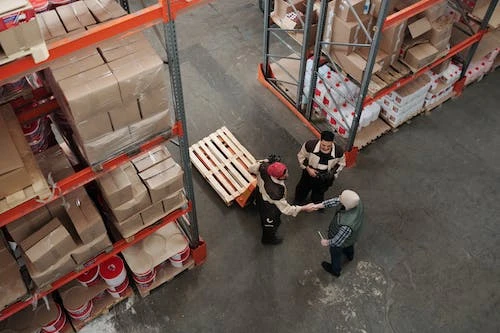

As a business owner, your top priority is ensuring the safety of your employees while they work. One area that often goes overlooked is pallet safety.
Pallets are a common item used in many workplaces, but they can also pose serious safety hazards if not handled properly. In this guide, we’ll discuss the importance of pallet safety and provide you with tips on how to prevent accidents and injuries in the workplace.
Why Pallet Safety is Important
Pallets are used to store and transport heavy items, which can lead to severe injuries if not handled properly. In fact, according to the Occupational Safety and Health Administration (OSHA), over 100,000 injuries related to material moving and workers in transportation are reported every year. These injuries can range from cuts and bruises to more severe injuries such as broken bones and even death.
The financial cost of pallet-related accidents can also be significant for businesses. In addition to medical expenses and lost wages, companies can face fines and lawsuits if they are found to be negligent in their handling of pallets. By prioritizing pallet safety, businesses can protect their employees and avoid costly accidents and legal issues.
Identifying Pallet Hazards
The first step in ensuring pallet safety is identifying potential hazards in the workplace. Here are some common hazards associated with pallets:
Overloading:Pallets have weight limits that should be followed to avoid collapse or tipping. Overloading a pallet can lead to injuries and damage to products.Damaged Pallets:Damaged pallets can break or collapse, causing injuries and damage to products. Inspect pallets regularly for signs of wear and tear, and replace any damaged pallets immediately.Improper Stacking:Improper stacking can cause pallets to tip or collapse, leading to injuries and damage to products. Train employees on proper stacking techniques, and ensure that stacks are stable and secure.Poor Lighting:Poor lighting can make it difficult for employees to see potential hazards, increasing the risk of accidents. Ensure that work areas are well-lit to improve visibility and reduce the risk of accidents.Tips for Pallet Safety
Now that you know the potential hazards associated with pallets, here are some tips for ensuring pallet safety in the workplace:
1. Use the Right Pallets
Different pallets are designed for different types of loads. Make sure you are using the appropriate pallet for your products and their weight. Using the wrong pallet can lead to collapse and injuries.
Some common examples are:
Heat-treated wood palletsfor international shippingRecycled palletsin different grades like A1 grade, A grade, B grade, and even Euro/Epal recycled wood palletsNewGMA wood palletsYou can also get custom wood pallets made according to your business specifications and requirements from a reliable pallet wood supplier like Fathia’s Pallets Corp.
2. Follow Weight Limits
Every pallet has a weight limit that you should consider when you’re using it. The weight limit for a standard wooden pallet can range from 4,000 to 5,000 pounds depending on the quality of the wood and construction. However, overloading a pallet can lead to collapse and injuries. Make sure you know the weight limit of your pallets and train employees to follow these limits.
3. Inspect Pallets Regularly
Wood pallets can disintegrate over time due to exposure to moisture, insects, or wear and tear from heavy use. Here are some common signs of disintegration in wood pallets to look out for:
Cracked or split boards:Over time, the boards that make up the pallet may become cracked or split, weakening the overall structure of the pallet.Broken boards:Heavy use can cause boards to break or snap, creating sharp edges and posing a safety hazard.Loose or missing nails: Nails hold the pallet together, and if they become loose or fall out, the pallet can become unstable and lead to accidents.Warping:Moisture can cause wood to warp or bend, affecting the pallet's strength and stability.Rotting or mold:Exposure to moisture and humidity can cause wood to rot or develop mold, which weakens the structure of the pallet and creates a potential health hazard.Inspecting pallets regularly and replacing any damaged pallets immediately can help prevent accidents and injuries in the workplace. Employees should also be trained on how to identify signs of disintegration in pallets and how to handle pallets safely.
4. Stack Pallets Properly
Properly stacking pallets is essential for preventing accidents. Train employees on proper stacking techniques, and ensure that stacks are stable and secure. Do not stack pallets too high or too close to equipment or walls.
5. Use Personal Protective Equipment
In addition to proper handling techniques, employees should also wear personal protective equipment such as gloves and safety shoes when working with pallets. This can help prevent injuries such as cuts and bruises.
Looking For the Right Wood Pallet Supplier? We’ve Got You Covered!
If you're searching for a reliable wood pallet supplier, you're in the right place!
At Fathia’s Pallets Corp., they offer comprehensive solutions to meet all your pallet needs. With their expertise, you can trust that they'll help you find the perfect pallet for your specific requirements, whether it's a new or recycled one, including heat-treated pallets, at competitive prices. Furthermore, they can also create customized wood pallets that meet your unique business demands. Take a look at their range of products here, and don't hesitate to contact them today!
About The Author
Steve G Kollaard is a seasoned professional in the field of logistics and transportation. With years of experience in the industry, he has developed a deep understanding of the complexities and challenges involved in effectively managing the movement of goods and products. Throughout his career, Steve has demonstrated a strong track record of success in optimizing supply chain operations, reducing costs, and improving overall efficiency.


































Sign in to leave a comment.