
In the digital age, data is the lifeblood of nearly every business. From e-commerce giants managing terabytes of transactional data to small startups collecting user information, the need for scalable, high-performing data storage solutions has never been greater. Here, we'll explore strategies for scaling and growing your Storage Area Network (SAN) – a crucial component of enterprise IT infrastructure.
SAN scalability is not just about adding more capacity; it's about planning and implementing a flexible and cost-effective storage environment that can adapt to the growing demands of your organization. Whether you're an experienced IT professional aiming to optimize your current SAN or a business owner looking to understand the options for scaling your data infrastructure, this post will demystify the process and help you chart a course for sustainable growth.
Understanding SAN Storage and Its Role in Scalability
SAN storage is a dedicated network that provides access to consolidated, block-level data storage. Unlike a local storage device like a hard drive or a network attached storage (NAS) device, which can only serve data to systems provisioned on a local network, a SAN's block-level nature allows many different types of servers to access that data across a varied network of computing resources.
When your business grows or data requirements increase, so does your need for SAN scalability. Essentially, SAN scalability is the capability to expand your storage environment seamlessly without disrupting existing operations. It involves more than just adding storage disks; it's a holistic approach involving hardware, software, and networking elements to maintain and improve performance, resilience, and efficiency.
Strategies for Scaling Up Your SAN Storage
In the face of mounting data volumes, keeping your SAN scalable becomes an increasingly complex task. Here are some strategies to ensure your SAN is ready to handle your data growth:
Understand Your Data Needs and Usage Patterns
Before making any changes, it's crucial to know your current state. Understanding your data usage patterns will help you predict future storage needs more accurately. Conducting a thorough assessment of your existing SAN infrastructure, including application I/O requirements, and identifying any performance bottlenecks will lay a solid foundation for the scaling process.
Choose the Right Hardware
Selecting the appropriate SAN storage hardware is vitally important. Key considerations include:
Scalability of the storage arrayRedundancy and resiliency featuresCompatibility with your existing infrastructureSupport for the necessary protocols (iSCSI, Fibre Channel, etc.)Opting for a modular design can be a strategic choice, as it allows for easier expansion and replacement of individual components without affecting the overall system.
Adopt a Scalable Architecture
A scalable SAN architecture is one that can grow incrementally without requiring major changes. This might involve starting with a smaller storage system and then expanding it as needed by adding disks, shelves, or additional storage arrays, all while maintaining a balance of performance and cost.
Employ Virtualization and Storage Management Software
Virtualizing your SAN environment and deploying storage management software can add a layer of abstraction that simplifies expansion. Virtualization enables you to pool storage resources and manage them as a single entity, improving flexibility and reducing management overhead.
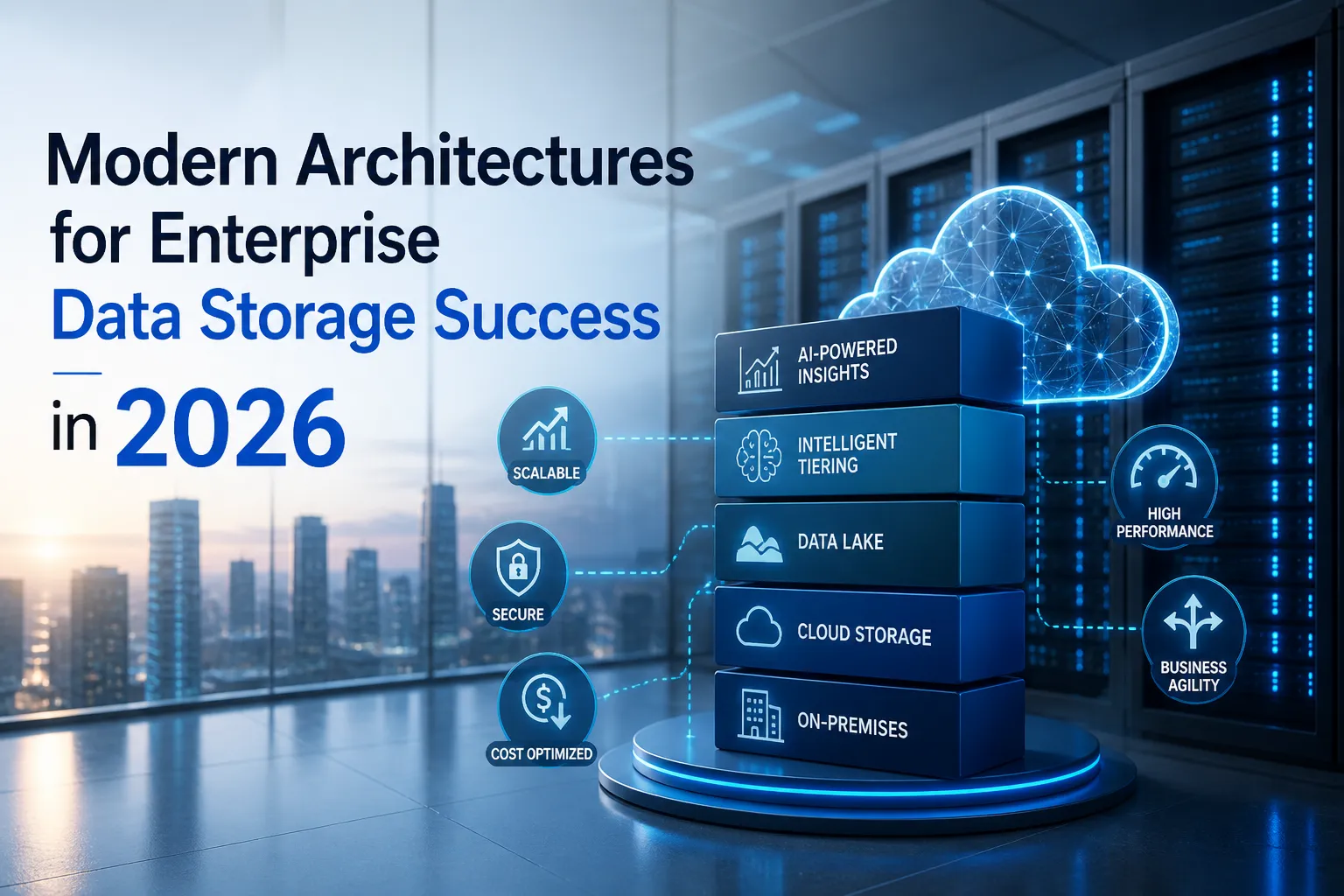
Leverage Tiered Storage Strategies
Not all data is created equal. By categorizing and storing different types of data on different tiers of storage, you can optimize performance and cost. High-performance SSDs may be appropriate for frequently accessed, critical data, while less-expensive HDDs can serve as an archive for infrequently accessed information.
Building Redundancy and Resiliency into Your SAN
Scalable storage is only part of the equation; maintaining data integrity and minimizing downtime are equally critical. Redundant components and failover mechanisms are essential for building a resilient SAN.
Implement High Availability Configurations
Deploying redundant SAN controllers, power supplies, fabrics, and network paths creates a high availability configuration, ensuring that if one component fails, another can take over without service interruption.
Use RAID for Data Protection
Redundant Array of Independent Disks (RAID) is a critical component of SAN resilience. By spreading data across multiple disks, RAID not only increases storage performance but also provides data protection against disk failure.
Regularly Test Your Failover and Recovery Procedures
Having redundant systems in place is just the first step. Regularly testing your failover and recovery processes will ensure they work as intended when a real failure occurs. Document these procedures so that any IT personnel can follow them accurately, even during a high-pressure situation.
Future-Proofing Your SAN
Predicting the future can be as tricky as scalability itself, but there are steps you can take to future-proof your SAN:
Stay Informed About Technological Advancements
Keep an eye on developments in data storage technology, as breakthroughs can significantly impact SAN scalability. Emerging trends like NVMe over Fabrics promise to deliver even higher performance and lower latency, potentially reshaping SAN architecture.
Build a Scalable Business Model
Synchronize your SAN investment with your business model. If you can anticipate surges in data volume based on seasonal trends, for example, implement scalable solutions that allow you to flexibly handle these fluctuations.
Consider Cloud Integration
Hybrid and multi-cloud strategies can complement your on-premises SAN, offering additional scalable storage options. By extending your SAN to the cloud, you can take advantage of its elastic nature, scaling up or down as needed.
Challenges and Considerations When Scaling SAN Storage
Scalability comes with a set of challenges and considerations that must be addressed to ensure a successful scaling initiative:
Cost and Budgeting
The financial aspect of SAN scalability is significant. Calculate the total cost of ownership (TCO) of different scalability options to find a balance that meets your budget while offering the necessary performance and features.
Training and Skill Development
An expanded SAN environment may require new skills and knowledge from your IT team. Invest in training and skill development to ensure your staff can effectively manage and maintain the new infrastructure.
Data Migration
When upgrading or expanding your SAN, data migration can be a significant undertaking. Plan for this process carefully, making provisions for both the actual transfer of data and potential downtime during the migration.
Compliance and Security
Scaling your SAN may affect your compliance status and information security. Ensure that the scalability measures you're implementing do not compromise data privacy or regulatory adherence.
Conclusion
SAN scalability is a dynamic and ongoing process that requires careful planning, integration of the right technologies, and consideration of various factors, from data needs to business objectives. By adopting the strategies outlined in this post, you can ensure that your SAN not only meets your current requirements but is also primed for the future, no matter how your data landscape evolves.
Remember, scalability is not a one-time endeavor but a mindset that should be reflected in your storage infrastructure's design, maintenance, and growth strategy. With the right approach, your SAN solution can be a powerful and flexible tool that supports your business's upward trajectory for years to come.



























Sign in to leave a comment.